Potato Gnocchi With Radicchio Pesto
From Radicchio, by Lane Selman and Margarett Waterbury

Table of Contents
Luigina “Gigia” Prataviera, Fogliano Redipuglia, Italy
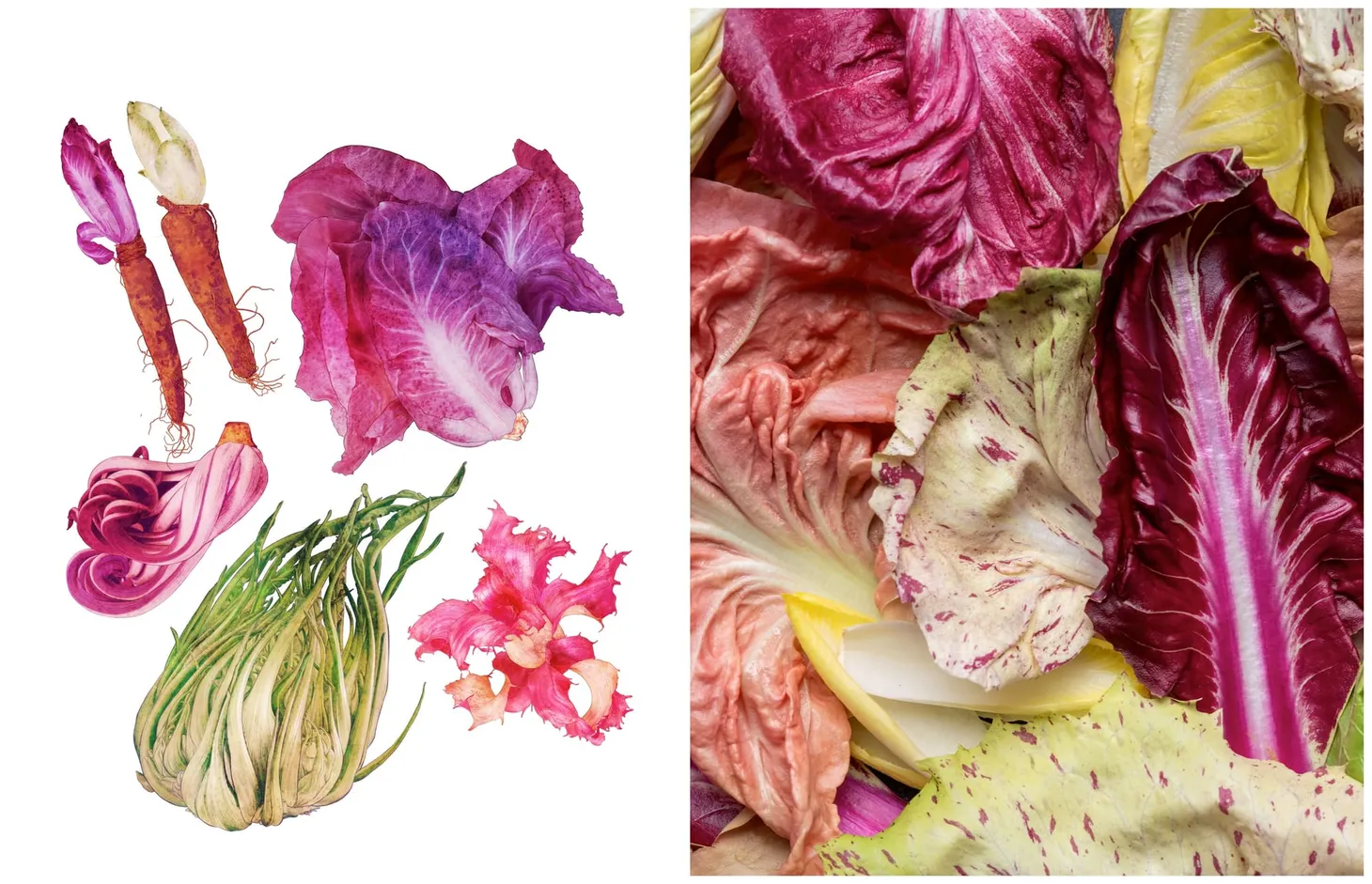
Traditional pesto alla Genovese puts aromatic basil front and center. This earthier, wintrier version is a great swap when supermarket basil looks too sad and fresh greens from the garden are a distant dream. It’s not as perfumed as the Genovese—and, truth be told, not quite as pretty either—but what it lacks in visual appeal it makes up for with richness and comfort.
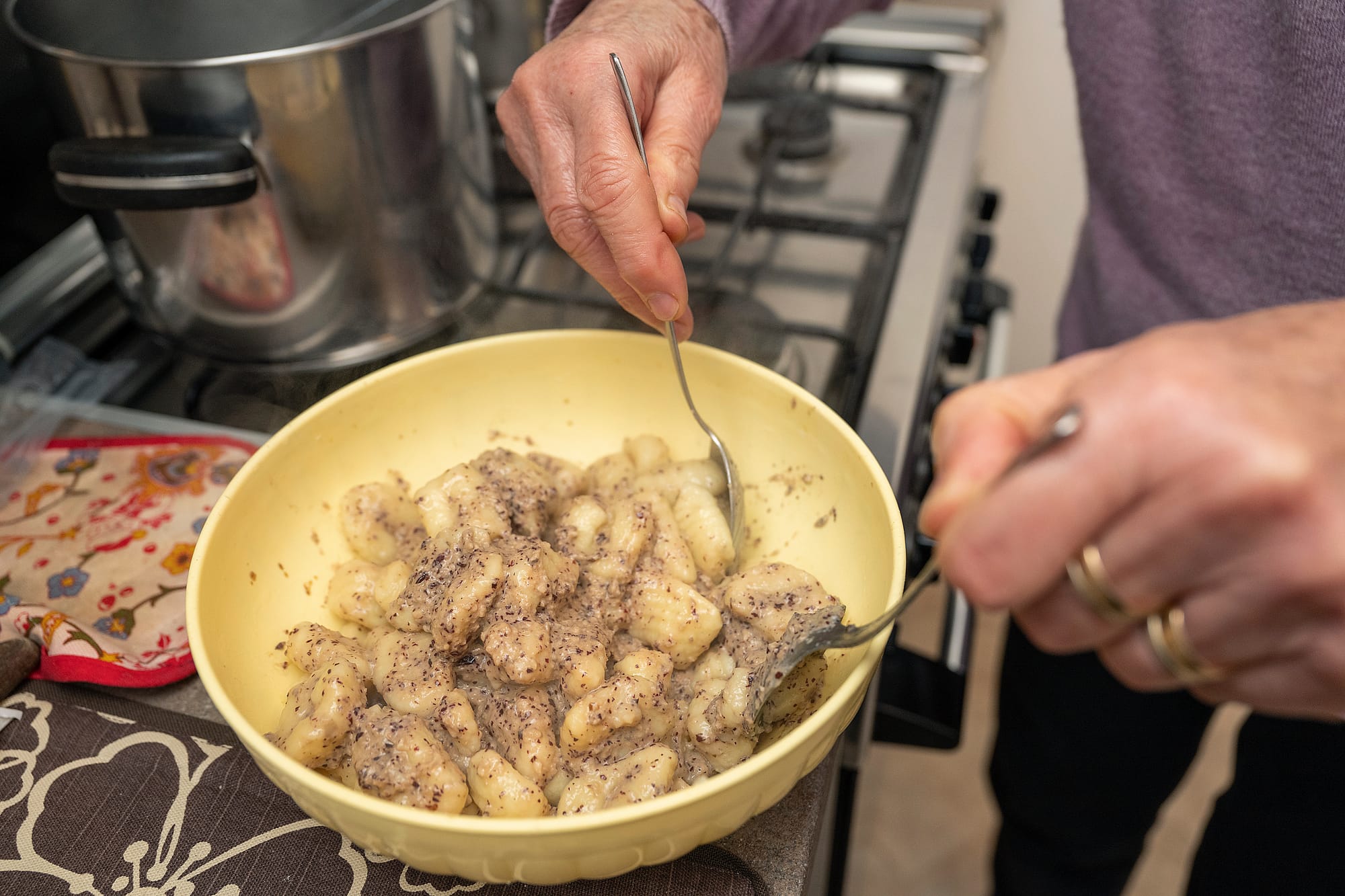
Try this pesto on dry pasta shapes with lots of nooks and crannies, such as gemelli or orecchiette, or use it to liven up a bowl of simple beans. Or do like Gigia Prataviera does and spread it on seedy crackers for antipasto or toss it with tender potato gnocchi. You can use almost any radicchio here, but taste it first. If it’s very bitter, you may want to soak the leaves in cold water for half an hour or so beforehand.
Baking the potatoes for the gnocchi helps reduce their moisture content, as does spreading out the riced potatoes to steam for a few minutes before adding flour. You can use russets or storage potatoes with set skins, but don’t use new potatoes—they have too much moisture.
Potato Gnocchi With Radicchio Pesto
Serves 4 to 6, makes 1 1/2 cups pesto, enough to dress a pound of pasta with a little left over.
For the gnocchi
2 pounds russet or boiling potatoes
1 1/2 cups all-purpose flour, plus more as needed
Radicchio Pesto (recipe follows)
1 to 2 tablespoons butter, for serving (optional, but recommended)
For the pesto
4 cups roughly chopped Chioggia, Lusia, or any denseheaded type radicchio
1 garlic clove, roughly chopped
2 tablespoons pine nuts
2 tablespoons chopped blanched almonds
Salt
1/3 cup extra virgin olive oil, plus 1 to 2 tablespoons, if needed
3/4 cup freshly grated Grana Padano or Parmigiano-Reggiano (about 2.25 ounces), plus more for serving
TO MAKE THE GNOCCHI
Preheat the oven to 450°F.
Scrub the potatoes, and then poke them all over with a fork. Bake them directly on the oven rack until they are completely cooked, 1 hour or more, depending on their size.
Remove the potatoes from the oven, and while they’re still hot, cut them in half and scoop out the flesh into a potato ricer or a food mill fitted with the finest disc. Rice the potatoes into a fluffy mound directly onto your work surface or into a large, shallow bowl. Let the potatoes rest until they stop steaming but are still warm.
Sprinkle 1 1/2 cups of flour over the potatoes. Gently mix it in using a fork, transitioning to using your hands once the flour is mostly moistened. Knead the dough gently until it comes together in a smooth, pliable mass, but don’t over-knead. Your goal is to keep the gnocchi tender. If the dough sticks to your hands, add a tablespoon of flour at a time until the mixture’s surface is soft and supple.
Divide the dough into four pieces. Use your hands to roll one piece at a time into a rope about 1 inch thick, and then cut it into 3/4-inch pieces.
To shape the gnocchi, you’ll need a floured fork or gnocchi board (a small, ridged board called a rigagnocchi). If using a fork, gently press one cut side of each gnocco against the concave side of the tines near the tips. Using your index finger, lightly roll it down the tines toward the handle, creating ridges on the now-convex side. (It’s not strictly necessary to shape the gnocchi in this way—you can just cook them shaped like little pillows—but the ridges hold onto the sauce.)
Bring a 4- to 6-quart pot of salted water to a gentle boil. Add the pesto (recipe follows) and the optional butter to a heatproof bowl. Rest that on top of your pot of water as it comes to a boil to heat the bowl, pesto, and butter. Once the water starts to boil, remove the bowl (carefully, it will be hot). Gently drop the gnocchi into the water and cook until they float to the surface.
Because gnocchi are so delicate, pouring them into a colander to drain can crush them. Instead, skim them out of the water with a spider strainer or slotted spoon, and transfer them to the warmed bowl with the pesto. Toss, adding a little pasta cooking water if necessary, and serve with additional grated cheese at the table.
TO MAKE THE PESTO
Pulse the radicchio, garlic, pine nuts, almonds, and a big pinch of salt in a food processor to a chunky, paste-like consistency. You still want plenty of texture at this stage. With the machine running, slowly pour in the olive oil. Scrape down the sides, add the grated cheese, and pulse just to combine. Taste for salt. If the pesto seems too thick, add another tablespoon or two of olive oil.
You can make the pesto ahead and store it in the refrigerator for up to five days. Keep it in a sealed container or press a piece of plastic wrap to the surface so it doesn’t dry out.
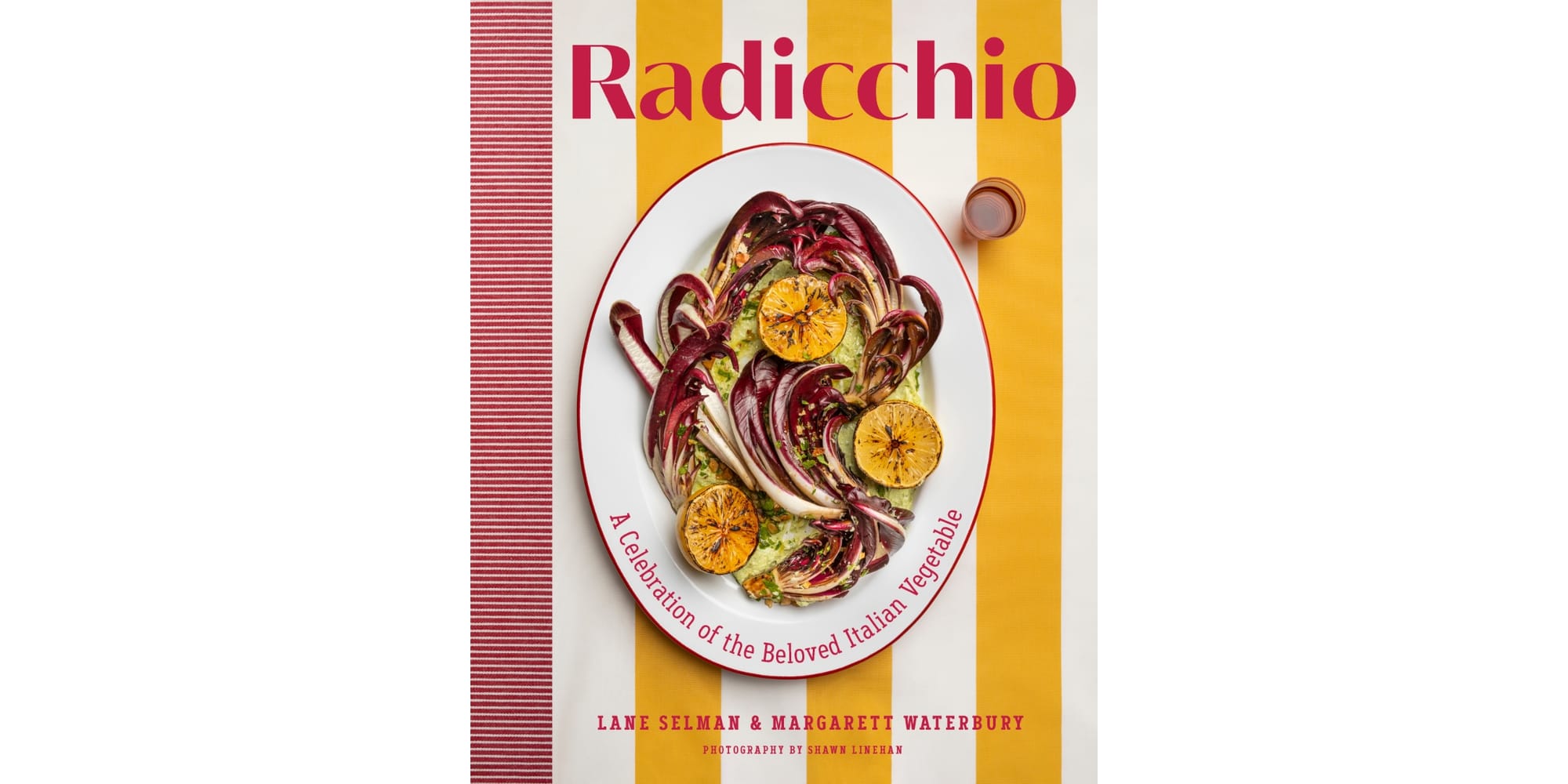
Taken from Radicchio © Copyright 2026 by Lane Selman and Margarett Waterbury, photographs by Shawn Linehan. Published by Timber Press, Portland, OR. Used by permission of the publisher. All rights reserved.
wordloaf Newsletter
Join the newsletter to receive the latest updates in your inbox.