Vegetable diversity
On two wondrous new books by Ali Frances, Adriana Picker, Lane Selman, and Margarett Waterbury
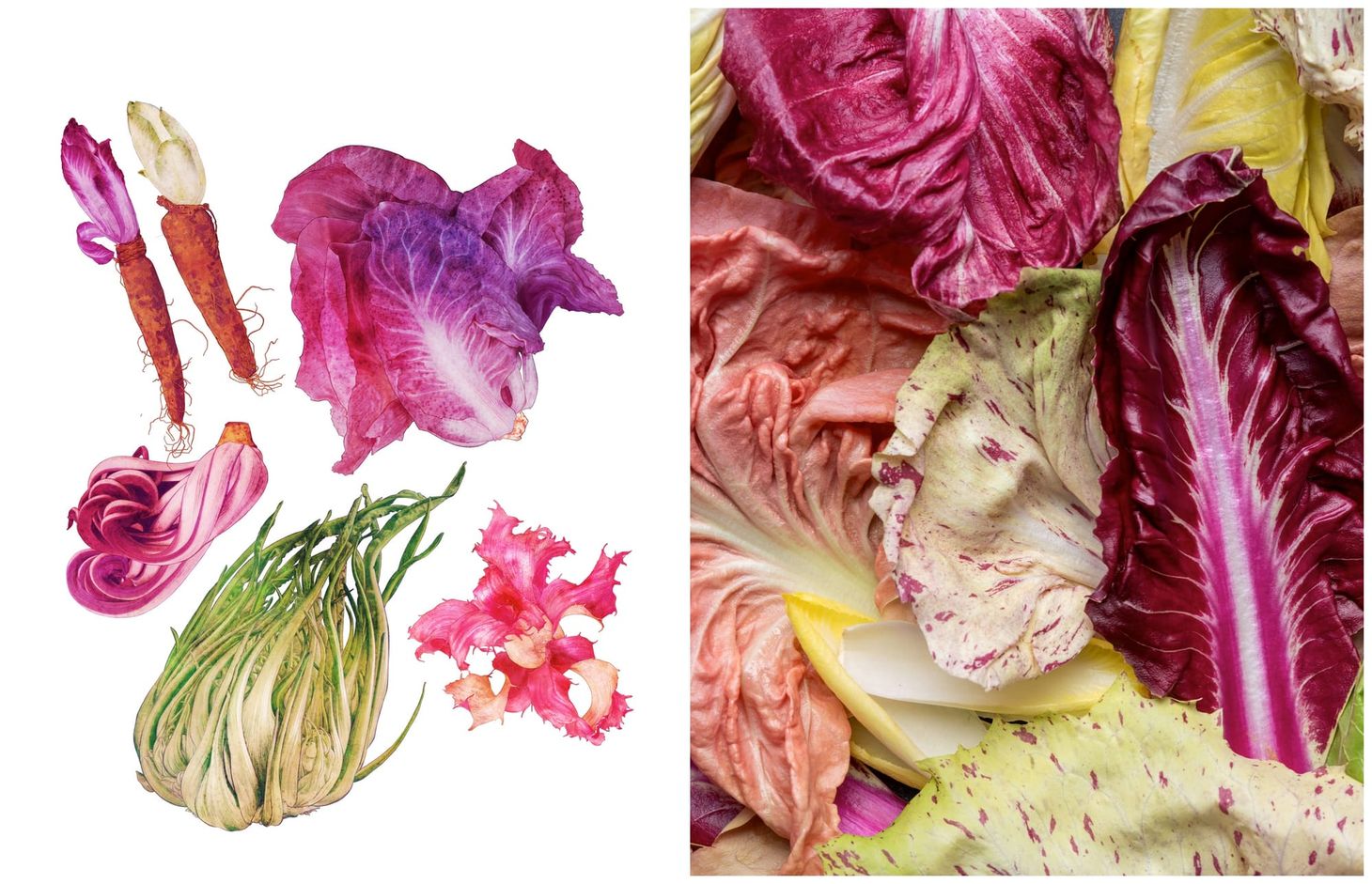
Table of Contents
Since the 1900s, we’ve lost an estimated 90% of the vegetable varieties our great-grandparents would have eaten—and roughly 75% of their genetic diversity. We humans could be eating some 300,000 kinds of plants, yet we mostly stick to about 200. And just three of them—rice, maize, and wheat—deliver roughly 60% of the world’s calories. How can this be?
—The Curious Lives of Vegetables, p. 2
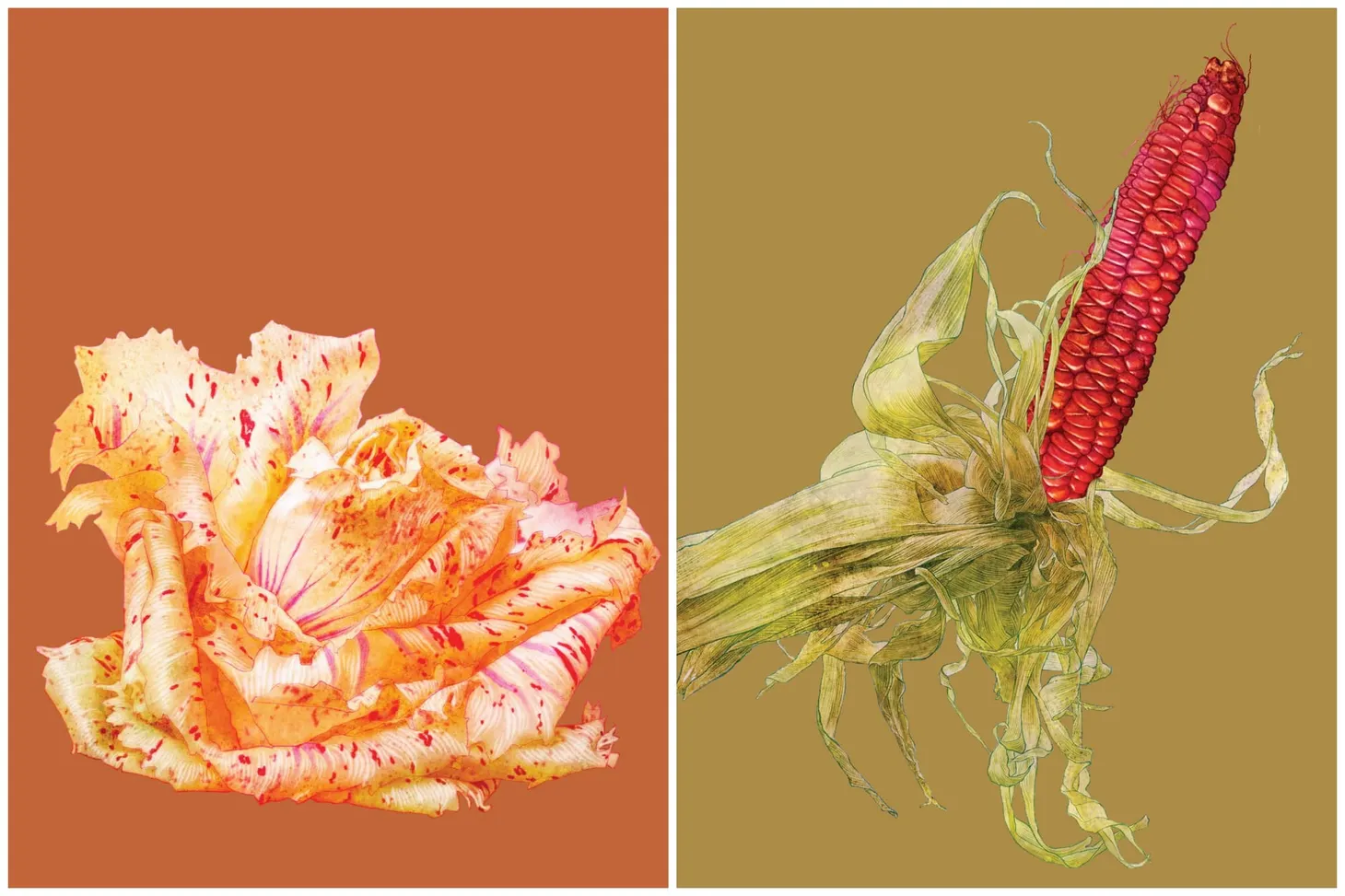
Radicchio’s color palette includes ivory-white, butter-yellow, chartreuse, salmon-pink, magenta, oxblood, burgundy, and every imaginable shade or hue between. Some plants are round like softballs, others are squiggly and coiled, and some look so much like roses they are routinely used in floral design. This diversity is fun both to look at and to cook with, since different shapes lend themselves to different uses.
All radicchio are cultivars of the same species, Cichorium intybus, which is also the species name for puntarelle and Belgian endive. Cichorium intybus has a close cousin, C. endivia, which includes escarole, curly endive, and frisée. Both are native to the Mediterranean, but the uncultivated form of C. intybus has spread around the globe and has become a naturalized, usually unproblematic weed on every continent except Antarctica.
—Radicchio, p. 34
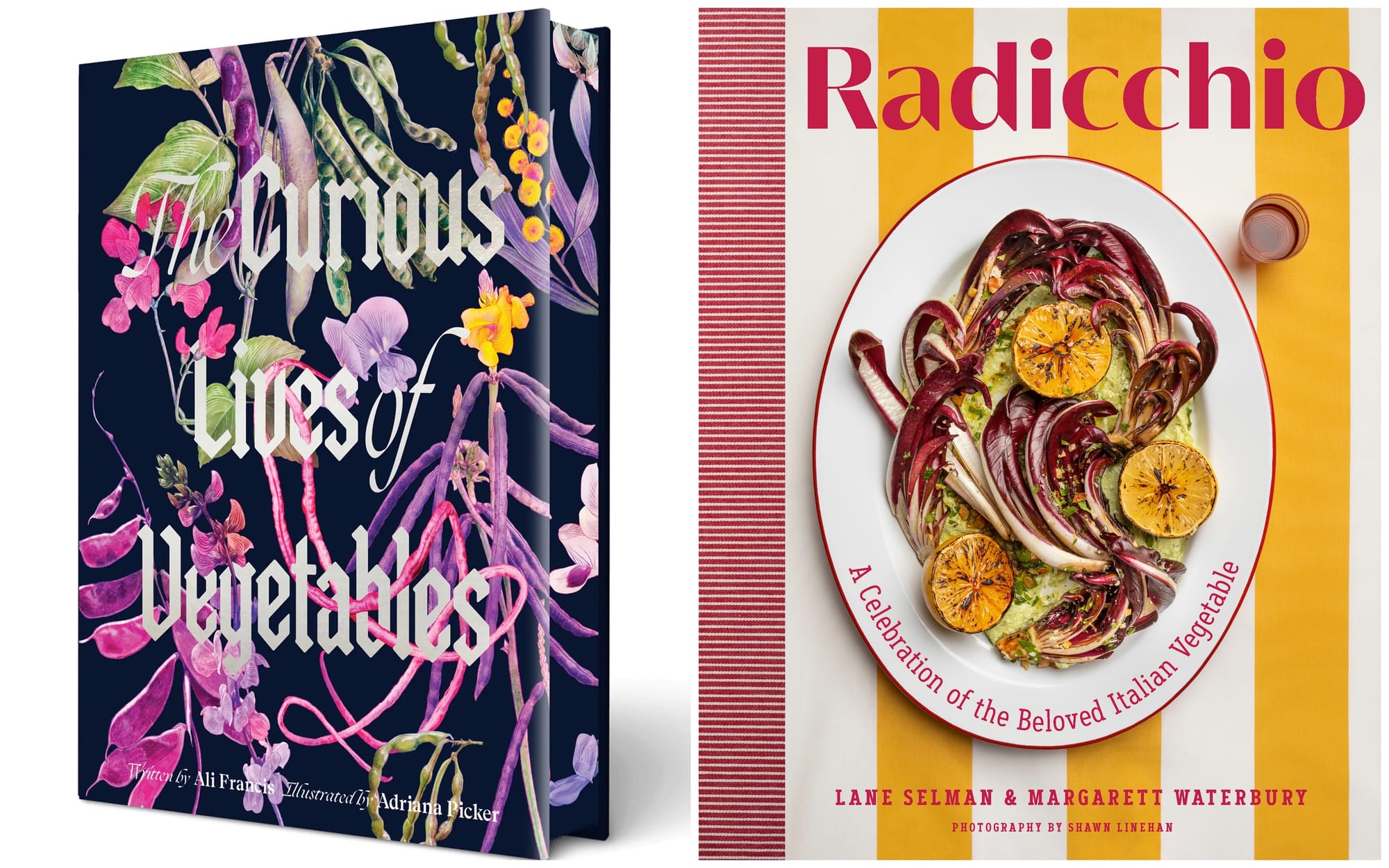
Fall 2026 is shaping up to be an excellent season for books on the marvels of the plant world, particularly those plants that grace our vegetable drawers, farmstands, and farmer's markets. Two of my favorite new titles are The Curious Lives of Vegetables, written by Ali Frances and illustrated by Adriana Picker, and Radicchio: A Celebration of the Beloved Italian Vegetable, by Lane Selman and Margarett Waterbury. Both books emphasize the diversity of vegetables, albeit from opposite angles: Curious Lives illustrates the wide and wild range of vegetables humans consume, while Radicchio considers the variety to be found within just two closely related species. Visually, however, they are two of a perfect pair, presenting these vegetables in all their Technicolor, psychedelic glory.
 Ali Francis and Adriana Picker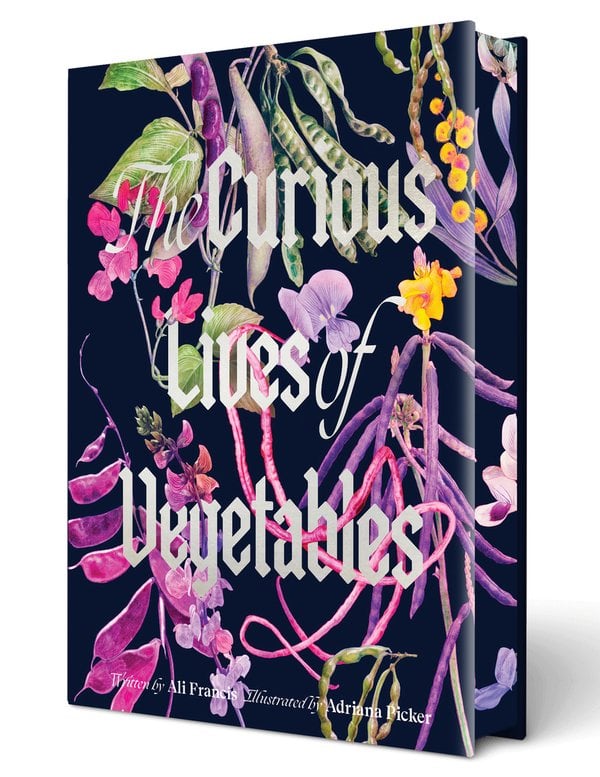
 Lane Selman and Margarett Waterbury and Shawn Linehan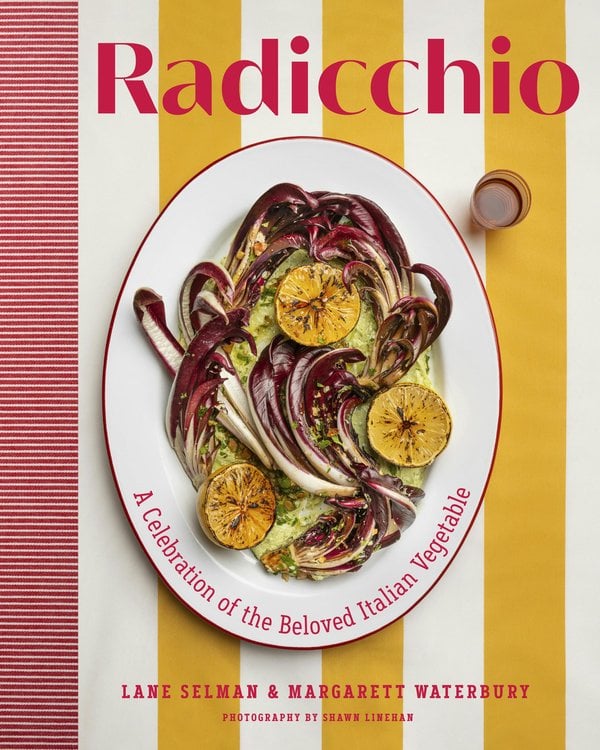
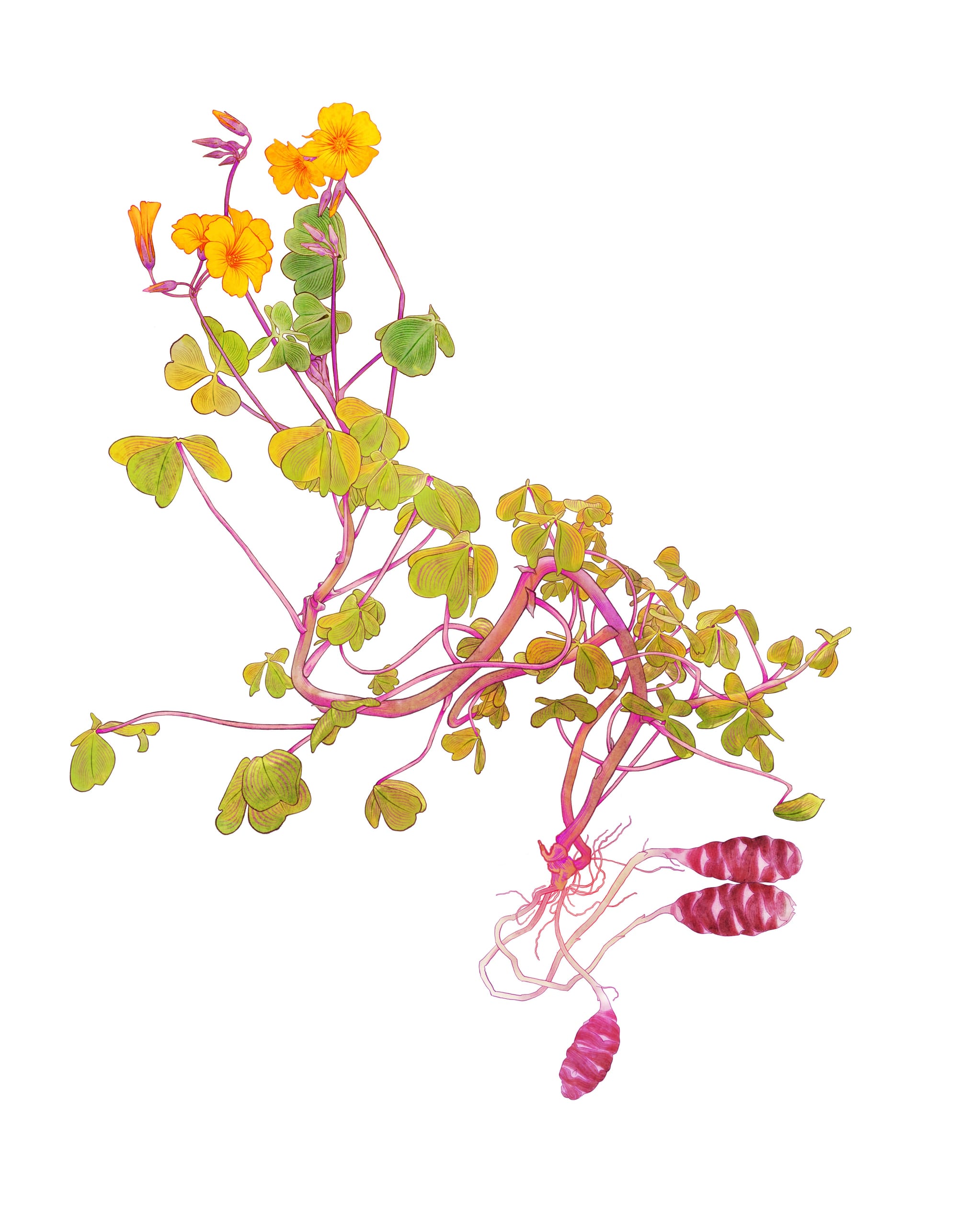
The Curious Lives of Vegetables is a field guide to fifty or so of the world's most interesting, curious, and obscure plant foods, organized by their use in the kitchen. (Though the book is chock full of culinary lore and advice, it is not a cookbook and contains no recipes.) Each entry includes a full page (or larger) illustration, a detailed description, and a history of the plant's origins and travels. Equal weight is given to stories—of the people who historically recognized the value of the plants and of those who today work to keep them from being lost for good.
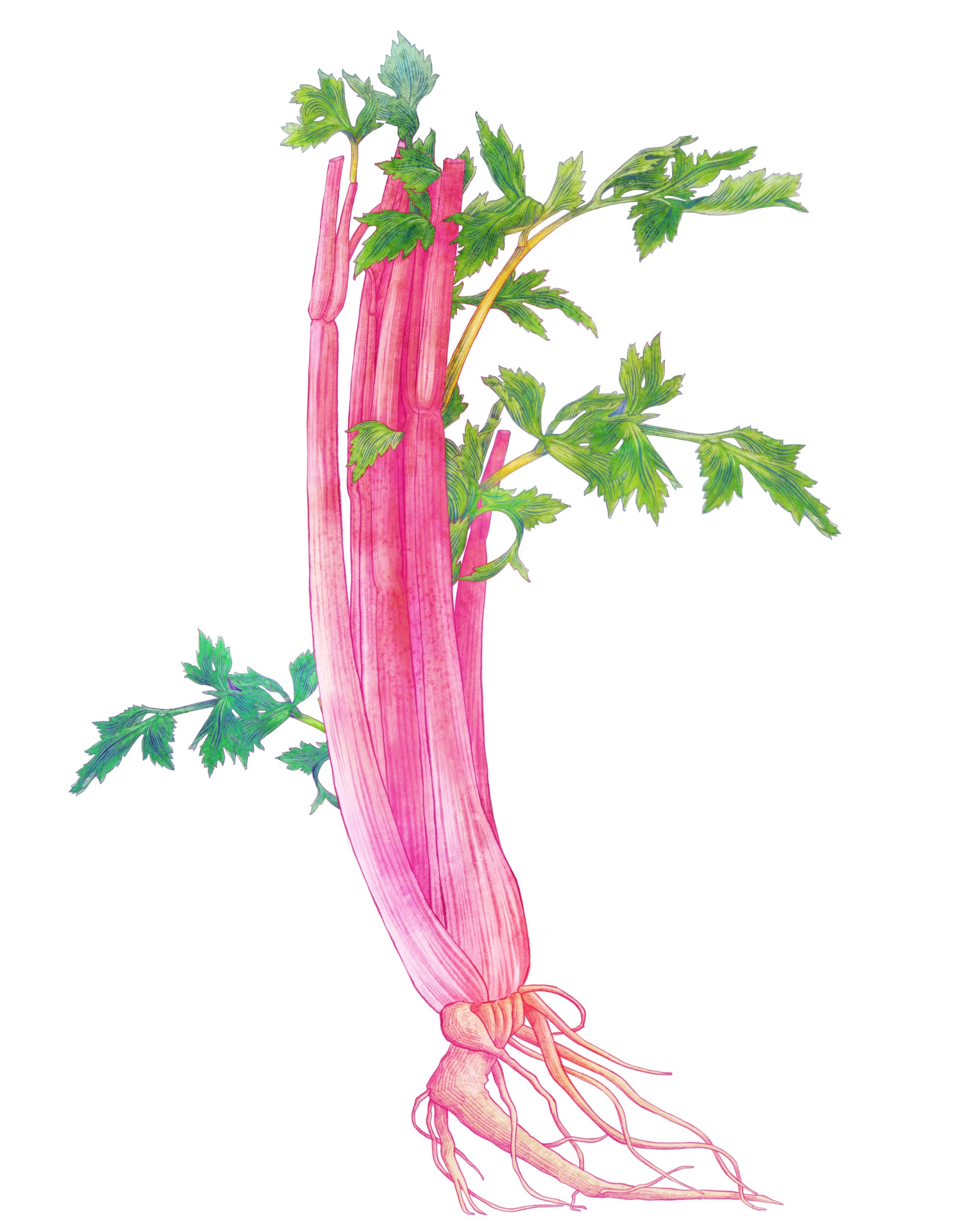
The book is an argument for the importance of vegetable diversity, for the sake of the plants themselves, the planet, and for humankind. As Ali said in a wonderful interview with Sarah Duignan on her Anthrodish podcast, "[The] whole question at the book's heart is 'What do we lose when we lose diversity?' And in this case we're sort of talking about biodiversity, but really also cultural diversity." The vegetables that Ali covers here—and countless others beyond them—are our collective cultural heritage, and we let them vanish at our own peril.
Read two excerpts from The Curious Lives of Vegetables (including one on Castelfranco radicchio) below:
 Andrew Janjigian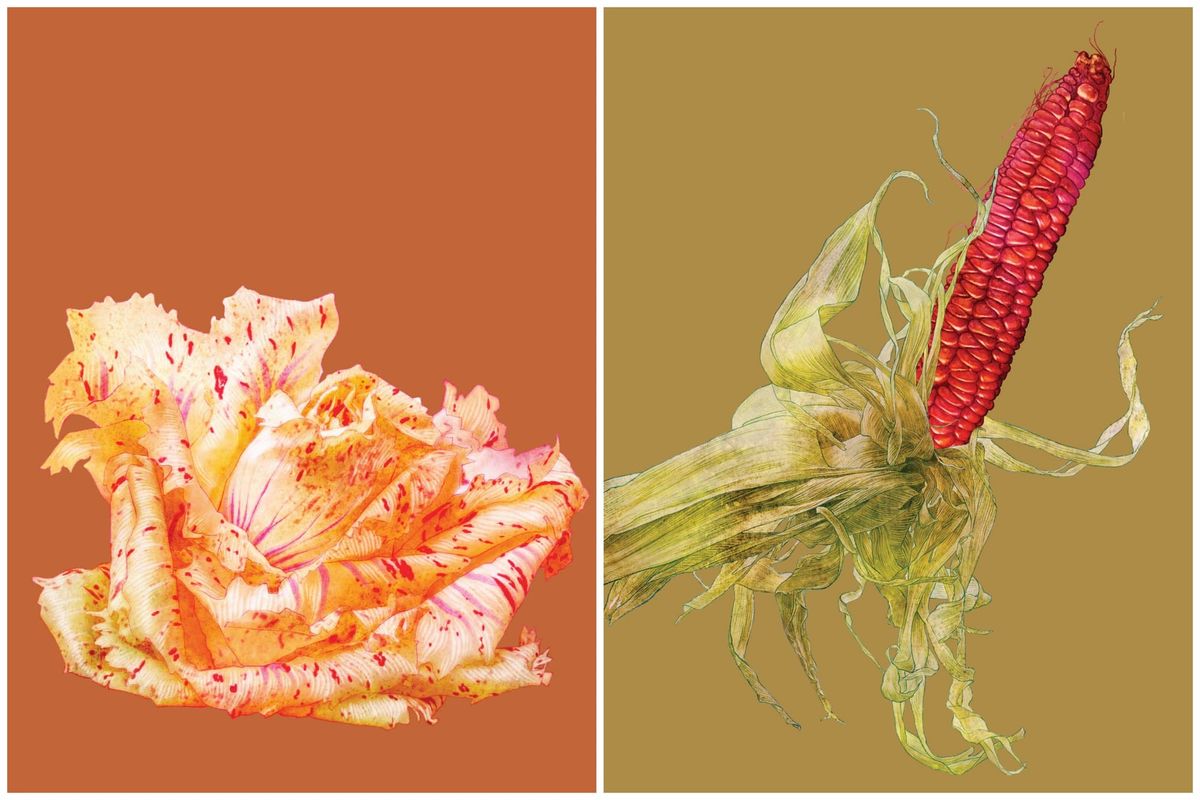
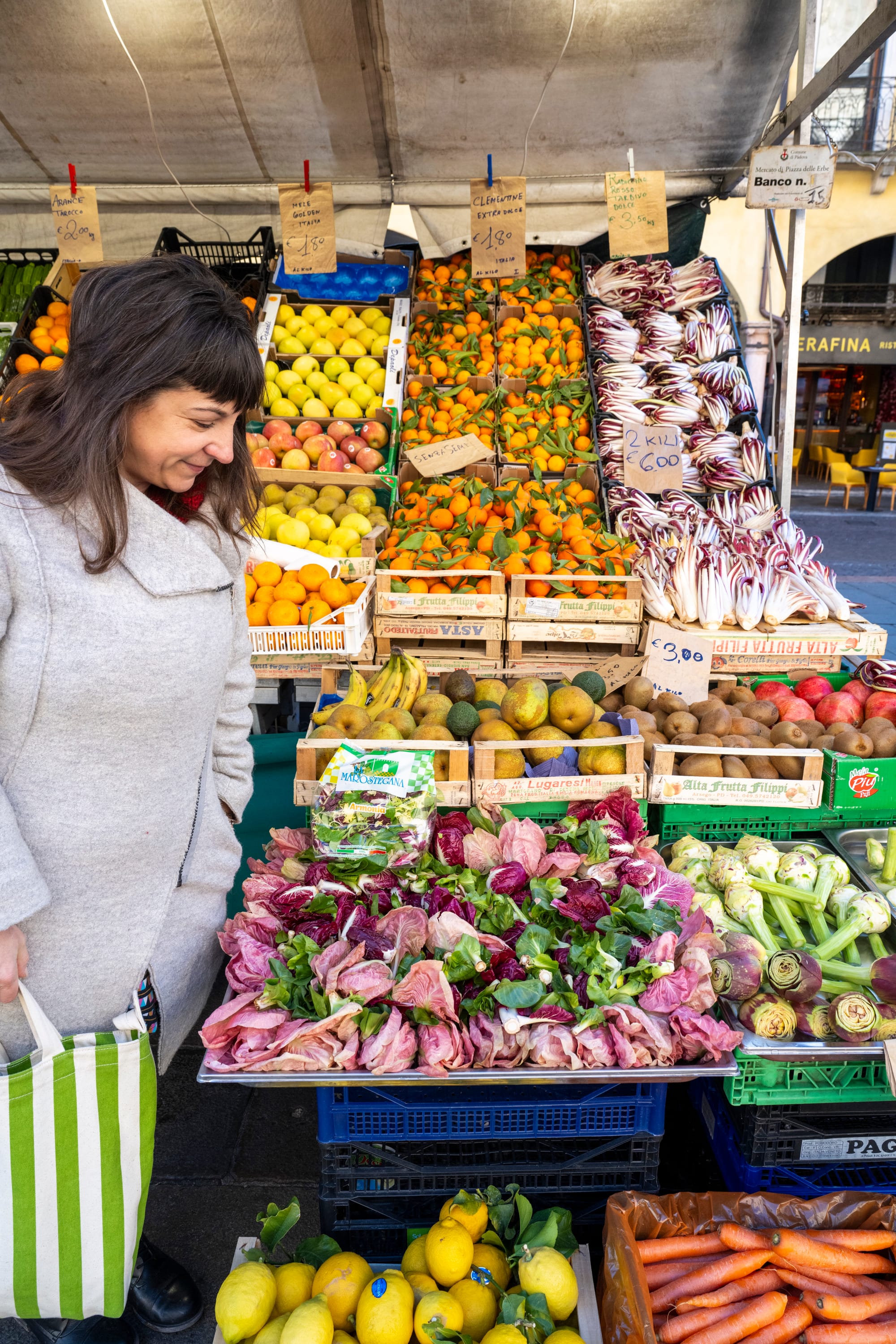
Radicchio, by Lane Selman and Margarett Waterbury, is a cookbook, but not just a cookbook. Like The Curious Lives of Vegetables, it covers the human and natural history of radicchio and its close relatives, and it centers the work of the people who are working to bring it to more tables and keep it alive, both in Italy, the epicenter of radicchio research, and beyond. (Selman herself is the founder of the Culinary Breeding Network, which has been working to promote vegetable diversity and to champion radicchio cultivation in the United States since 2012.)
The book includes an extensive field guide to all of the edible chicories, with descriptions, tasting notes, and usage recommendations; most of the entries feature stories about and conversations with some of the farms and farmers growing and preserving them. There's also a short but detailed section on growing radicchios and chicories in a home garden.
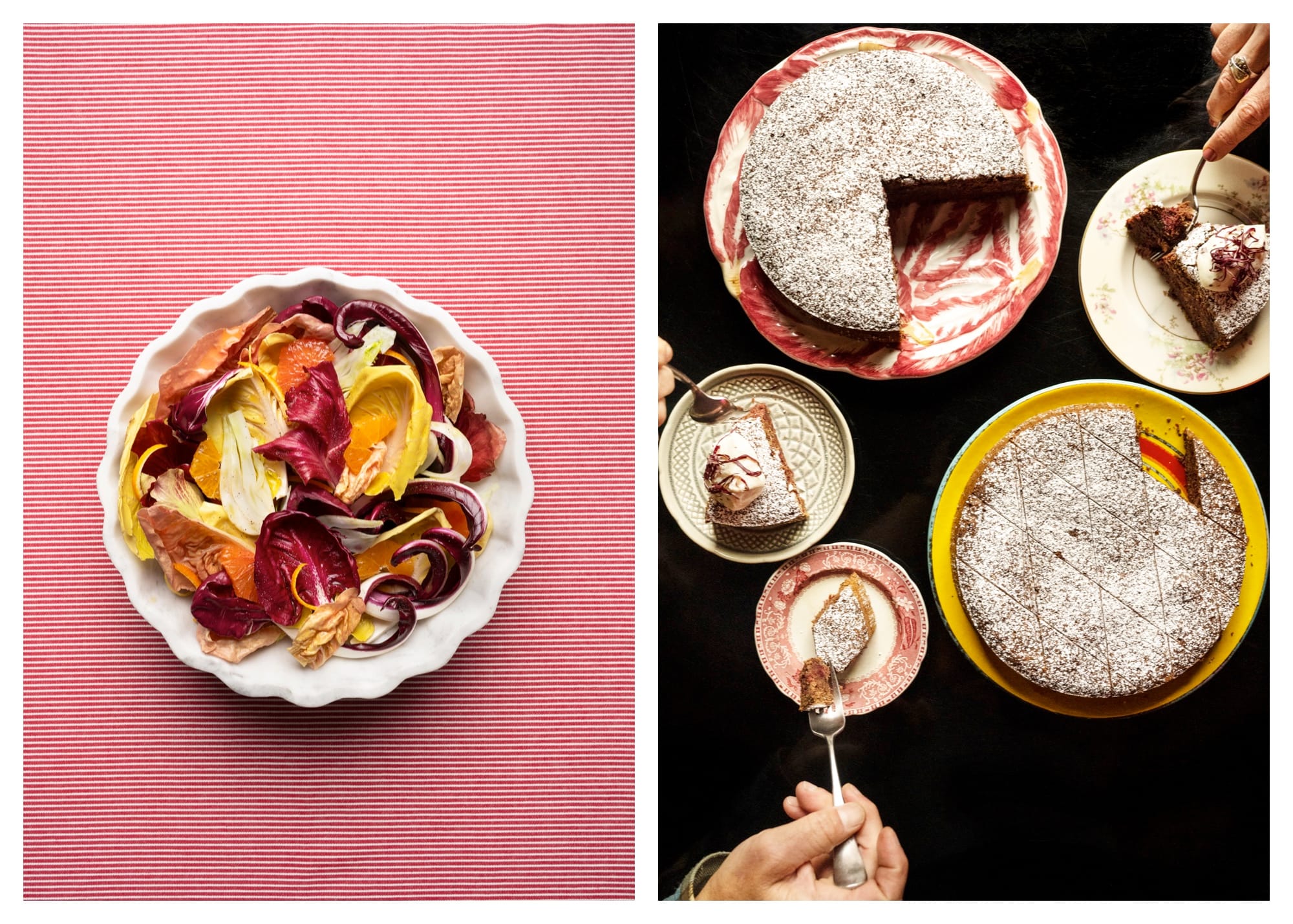
The last hundred or so pages are devoted to the use of radicchio in the kitchen, with some 50-ish recipes for pastas (including the The Potato Gnocchi With Radicchio Pesto linked below), risotto, pizzas, beans, eggs, and other proteins, salads, sides, and even sweets (like the Chocolate Radicchio Cake with Mascarpone Frosting pictured above right).
Find the recipe for The Potato Gnocchi With Radicchio Pesto below:
 Andrew Janjigian
I love both of these books, and I think you will too.
—Andrew
wordloaf Newsletter
Join the newsletter to receive the latest updates in your inbox.