Sami Tamimi's 'Boustany'
An excerpt, a recipe, and a giveaway
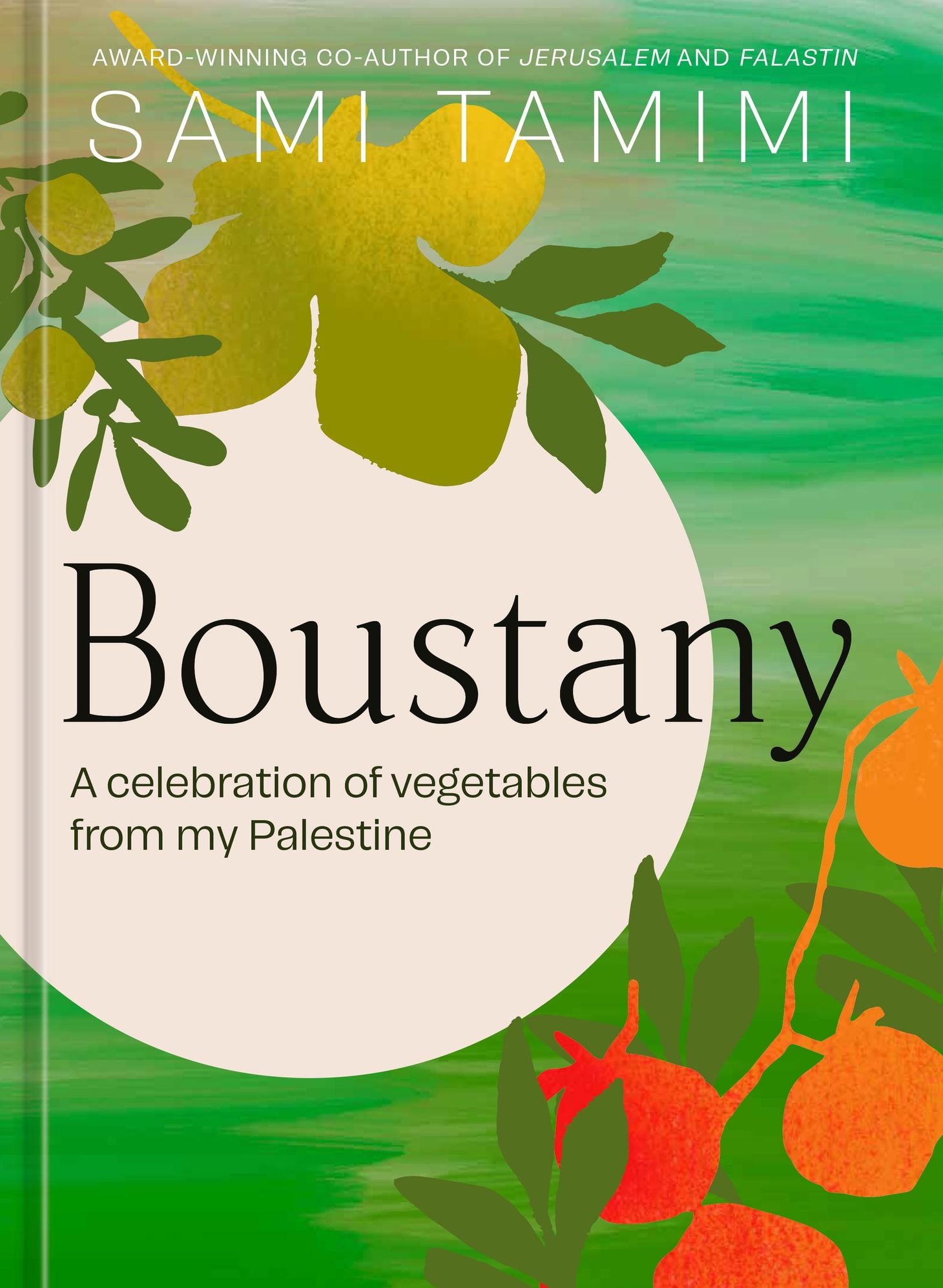
Table of Contents
I was pleased to see that I only lost a few readers after my post last week about the famine happening in Gaza right now. Obviously, I don't want to lose any readers here on Wordloaf, but that is besides the point—I'm just glad that this sort of appeal is no longer as controversial as it was in the immediate aftermath of October 7.
As I mentioned, I'm sharing some excerpts from the introduction and a recipe from Sami Tamimi's new book, Boustany: A Celebration of Vegetables from my Palestine today. The recipe is for musafan, a sweet cheese and jam pie/bread; it's the one that Sami suggested I share when I asked him which of the many breads in the book he was most fond of:
 Andrew Janjigian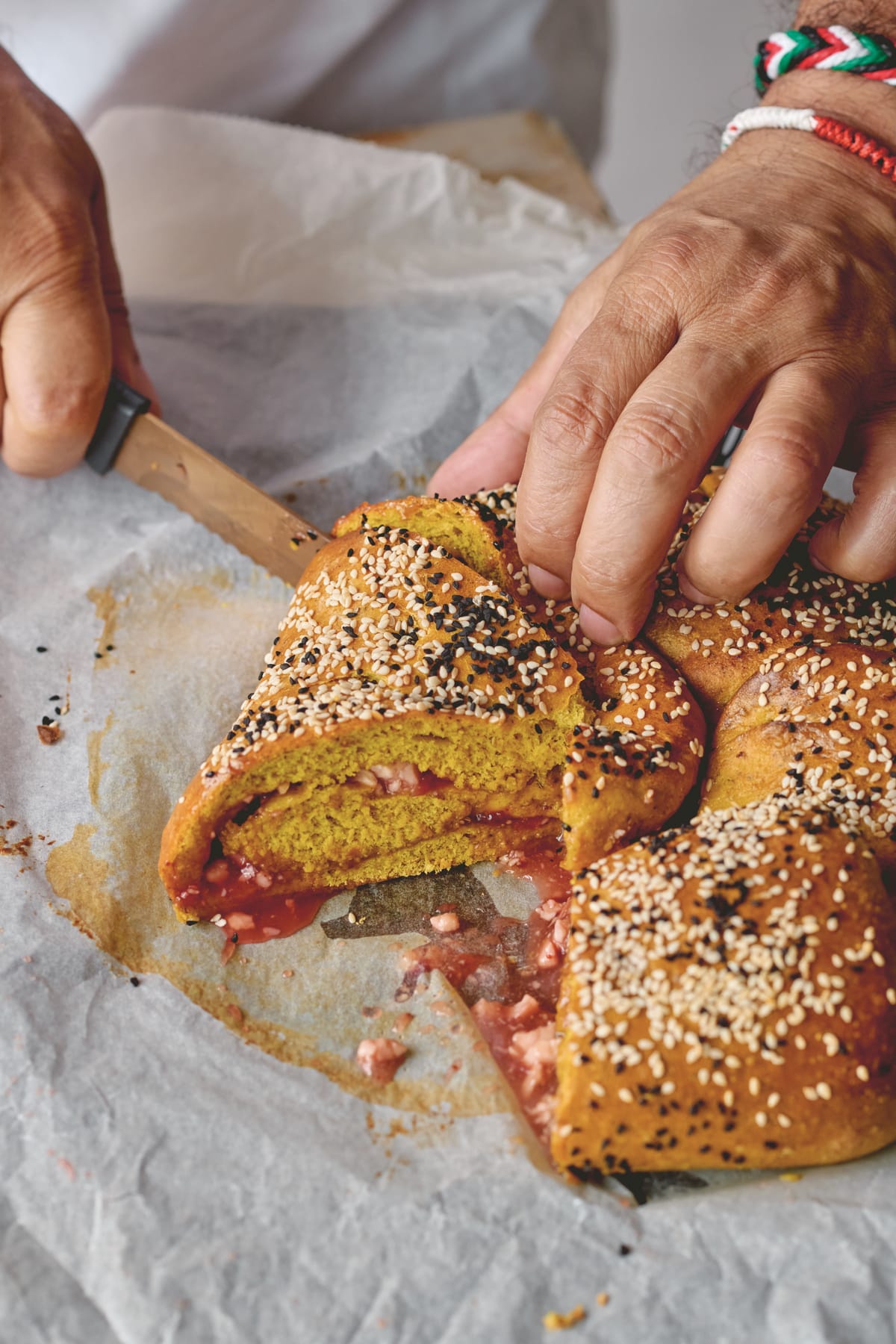
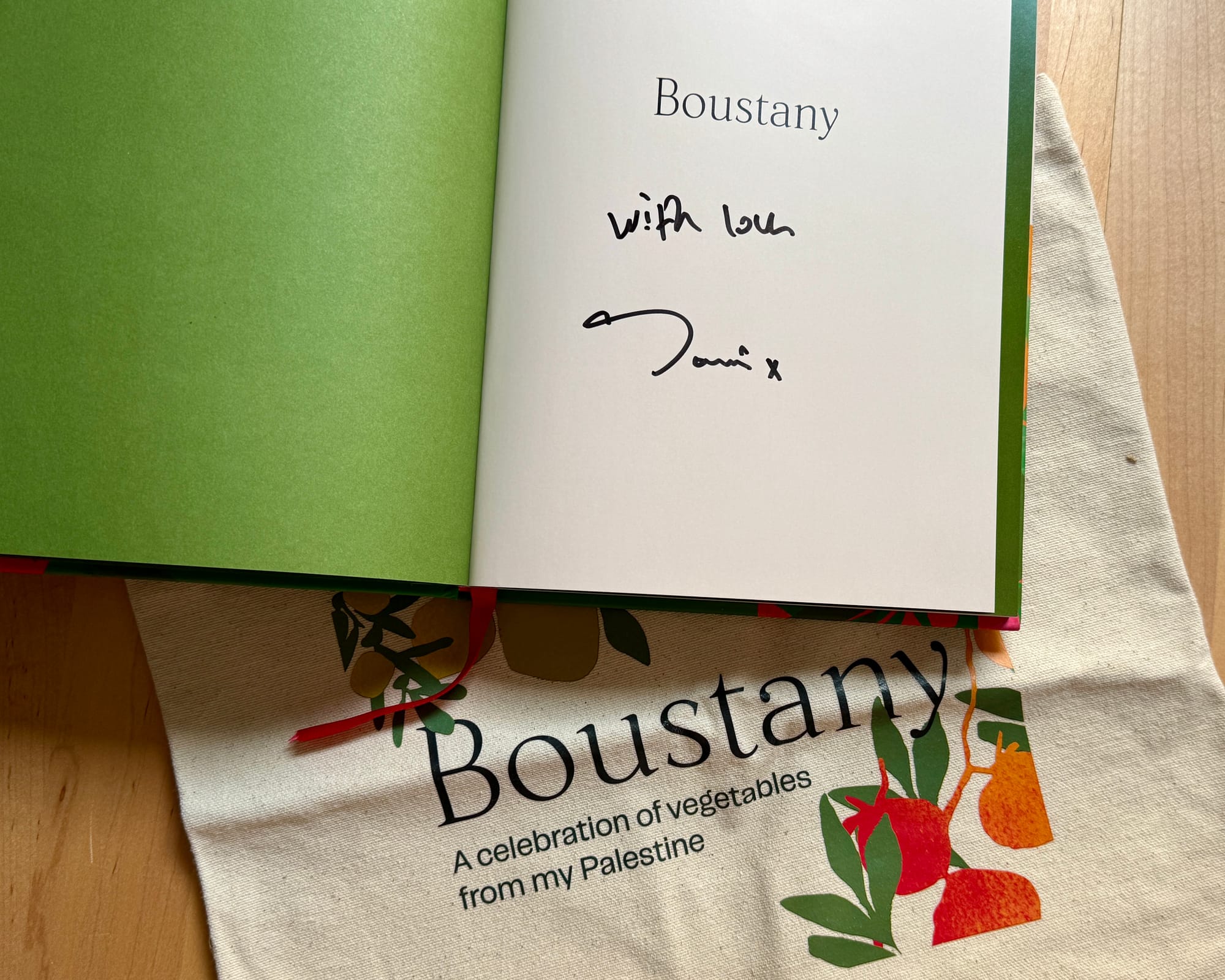
I've also got a signed copy of the book and a tote bag to give away to one randomly selected person (in the U.S.). If you want in on the drawing, just make a donation to any of the Gaza-relief organizations I listed in last week's post (or another of your choosing), and then email me the receipt with the subject line "Boustany Giveaway" (or simply click this link to start an email). Be sure to indicate if you are a paid subscriber, since that will give you three entries instead of just one. I'll select the winner on Tuesday, 8/19, so you have plenty of time to make the donation.
—Andrew
Welcome to Boustany, “my garden” in Arabic
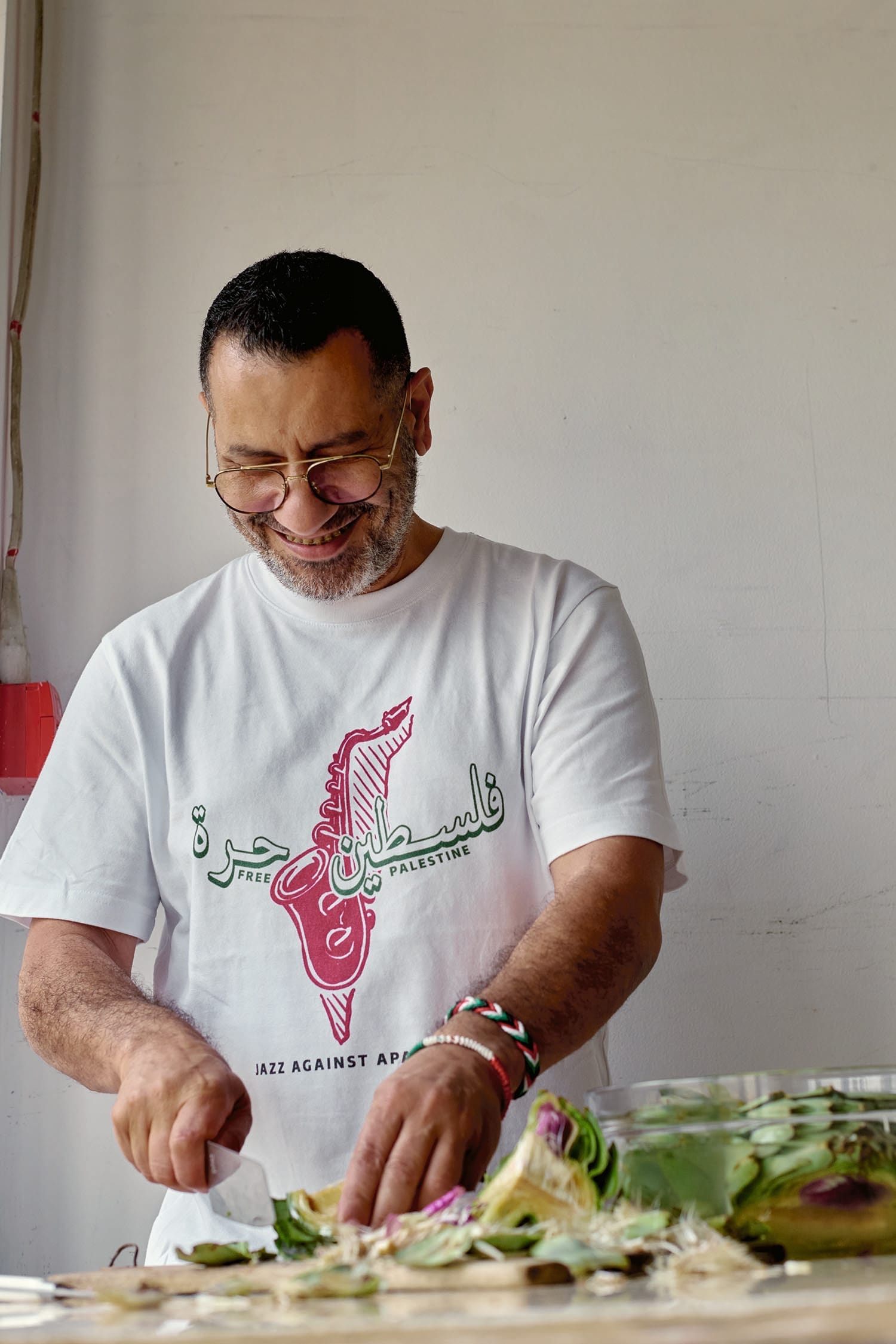
This is a book I have been, unintentionally, writing for the last four years, starting just after the publication of my last book, Falastin.
In the spring of 2020, my partner and I decided to take a break from the chaos of London. We packed up our house, loadedour two dogs into the car and drove all the way to our place in Umbria, Italy. What was intended to be a brief escape turned into an almost year-long stay, impacted by COVID-19. During this time, I went through a period of self-reflection and a mini-meltdown, marking a pivotal moment in my career after spending two decades managing the operations side of the Ottolenghi food and kitchens business.
While in Umbria, I cooked to soothe myself, pondering the idea of Boustany. The tranquility of the Italian countryside provided the perfect backdrop for introspection and culinary experimentation. Cooking was my therapy—a way to navigate my thoughts and emotions. The concept of Boustany emerged during this time. It was not just about creating recipes but about weaving together the stories, memories and emotions that each dish encapsulated. The recipes I developed are a reflection of my roots.
Boustany became more than just a collection of recipes; it was a journey of self-discovery and a celebration of the connections forged through food. This book is a tribute to the beauty of culinary exploration and the profound impact it can have on our lives. It is a testament to finding solace and inspiration in the kitchen, even during the most challenging times.
This book is the culmination of a lifetime of cooking and planning, though the actual work of writing the recipes began only in recent years.
Boustany takes you on a journey that tells the story of the food of my homeland, Palestine, with a fresh approach. It provides an insight into the dishes that I go back to over and over again, their recipes and the context and stories behind them.
The Palestinian cuisine
Before 1948, Palestinian cuisine reflected the region’s rich culinary heritage, showcasing a diverse array of flavors and ingredients. Since then, local food in Palestine has had a deep cultural and spiritual connection to the land and farming, manifested in its quality. Our diet almost entirely consists of organic food—or baladi, as we refer to it—fresh and grown locally.
The deep connection between the people and the land stems, at least in part, from the fact that farming has been, and still is, the main source of income for many Palestinians. Staple ingredients include olive oil, grains, legumes, dates, nuts, seeds and a widevariety of fresh fruits and vegetables.
Another source of food and income for some Palestinians has been foraging. It’s influenced by Palestine’s diverse landscapes, offering a variety of wild edibles. Foraging for food is an important part of the culture and cuisine, as it relies on seasonality and involves gathering wild food and medicinal items from the natural environment. It’s a traditional practice deeply connected to local cuisine, with people often collecting items such as wild herbs like za’atar and sage, greens such as mallow (khobiza), chicory, purslane, gundelia (akub), dandelion and also wild fruits like carob, mulberry, cactus fruit (sabr) and hawthorn (zaerur).
This is the way I grew up eating at home. Grains and pulses were cleverly transformed into flavorsome dishes adorned withvegetables and herbs, making them plentiful and incredibly colorful.
That is the beauty of the Palestinian kitchen, my childhood kitchen: the platters of steaming maftoul topped with chunky eggplant, the plump chickpea stew or the fragrant lentil fatteh that always tastes better the next day. These are the dishes I have known, loved, cooked and shared with friends. Now, I want to share them with you.
The people of Palestine
In addition to my recipes, another way to learn more about Palestine is through its people. Conversations about Palestine canquickly become political and challenging. The daily frustrations faced by Palestinians are often hard to grasp for those who don’t need to carry an ID card or require a permit to travel within their own country. For Palestinians in the West Bank, the reality of checkpoints, the separation wall and a complicated system of rules paints a grim picture.
Despite these challenges, Palestinians have demonstrated remarkable courage, striving to preserve their cultural identity, maintain their sense of community and work toward a better future amid political and social hardships. This resilience is evident in many aspects of life, from cultural preservation to everyday interactions.
Palestinians are known for their warm hospitality and strong community bonds. Family and community are highly valued, and celebrations often involve abundant, delicious food, bringing people together on festive occasions. Boustany is my homage to the people and the land of Palestine, my spiritual home.
Reprinted with permission from Boustany: A Celebration of Vegetables from my Palestine by Sami Tamimi, copyright © 2025. Published by Ten Speed Press, an imprint of Penguin Random House.
Photograph copyright © 2025 by Issy Croker.
wordloaf Newsletter
Join the newsletter to receive the latest updates in your inbox.