Recipe: Gluten-Free Country White Sourdough Bread
From Aran Goyoaga's "The Art of Gluten-Free Bread"
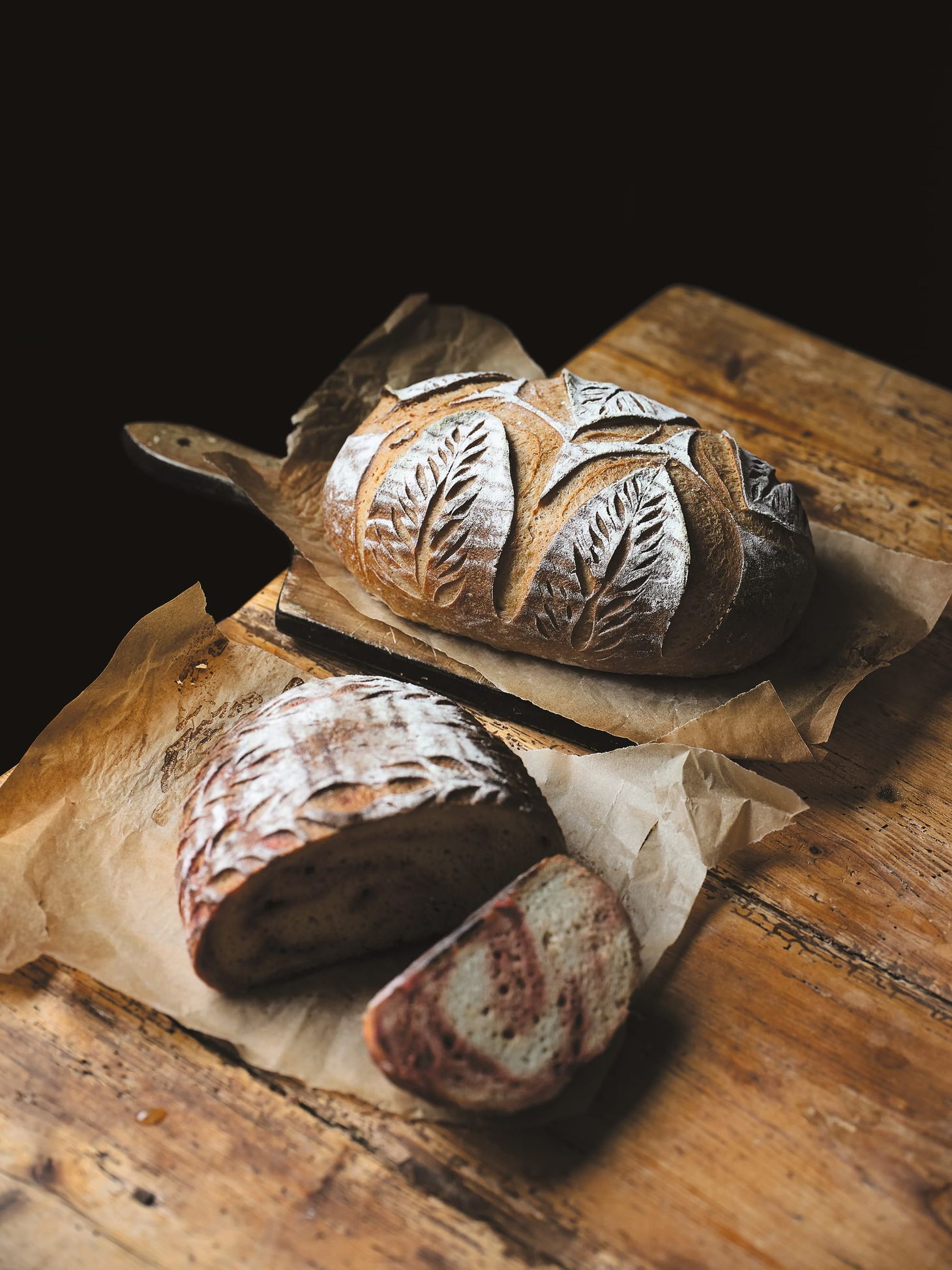
Table of Contents
This is my friend Aran Goyoaga's basic country white sourdough formula, from her latest book The Art of Gluten-Free Bread. Here's how she describes it in the book:
When I think of a basic white, tender, and soft sourdough bread, this is it. The crumb is moist and has small air pockets, and the crust is soft and golden. It is perfect for all kinds of sandwiches and even French toast. I’ve provided some suggestions for variations on the following pages, but you can add any other ingredients you like to create your own versions of this recipe. I like to proof the dough in an oval banneton (proofing basket) to create a batard shape, but of course a round boule will work as well.
I made this loaf and it worked and tasted exactly as described. It wasn't as chewy or crusty as my typical country white, but it had a great texture and made excellent toast. (I shared it with a few of my usual bread-recipients and everyone agreed that it was great bread, gluten-free or otherwise.)
You'll need to build a starter the night before you bake the bread, but there's no need to start from scratch if you have a healthy wheat- or rye-based starter already (and it is not essential that you loaf be 100% gluten-free; otherwise, instructions are below). You can simply use your starter to build the overnight one, like I did, which seemed to work fine.
Converting a gluten-containing starter to a GF one
If you want to convert your starter to Aran's gluten-free one, give it a week or so of daily refreshments with the following formula instead. (Using a low inoculation will clean out the starter of gluten-containing flour pretty quickly, since each refreshment will contain a fraction of the one before—~2%, 0.2%, 0.02%, 0.002%, and so on.) I've scaled it down to my usual tiny-starter amounts and rounded a little, to conserve flour:
17g superfine brown rice flour
3g ivory teff flour
24g water
5g starter
Once you feel like it's gluten-free enough, make it one last time at the following scale in order to create enough starter for use in the dough below (plus enough to keep the culture alive):
34g superfine brown rice flour
6g ivory teff flour
48g water
10g starter
Aran's preferred brands for GF ingredients
Aran's newsletter has an essential, detailed post on the flours and binders she uses for gluten-free baking, including what to look for in terms of texture and which brands she considers best, so be sure to consult it before you begin. For reference, these are the ingredients you'll need to make this bread and her preferred brands of each:
- Superfine brown rice flour: Authentic Foods, Anthony’s Goods, VitaCost.
- Teff flour: Maskal.
- Psyllium husk powder: Terra Soul, Himalayan Organics, Frontier Co-Op (preferably the non-organic one)
- Tapioca starch: Bob’s Red Mill, Anthony’s Goods, Authentic Foods.
- Sorghum flour: Authentic Goods (superfine), Bob’s Red Mill (stone-ground and slightly more whole-grain than Authentic Foods).
 Aran Goyoaga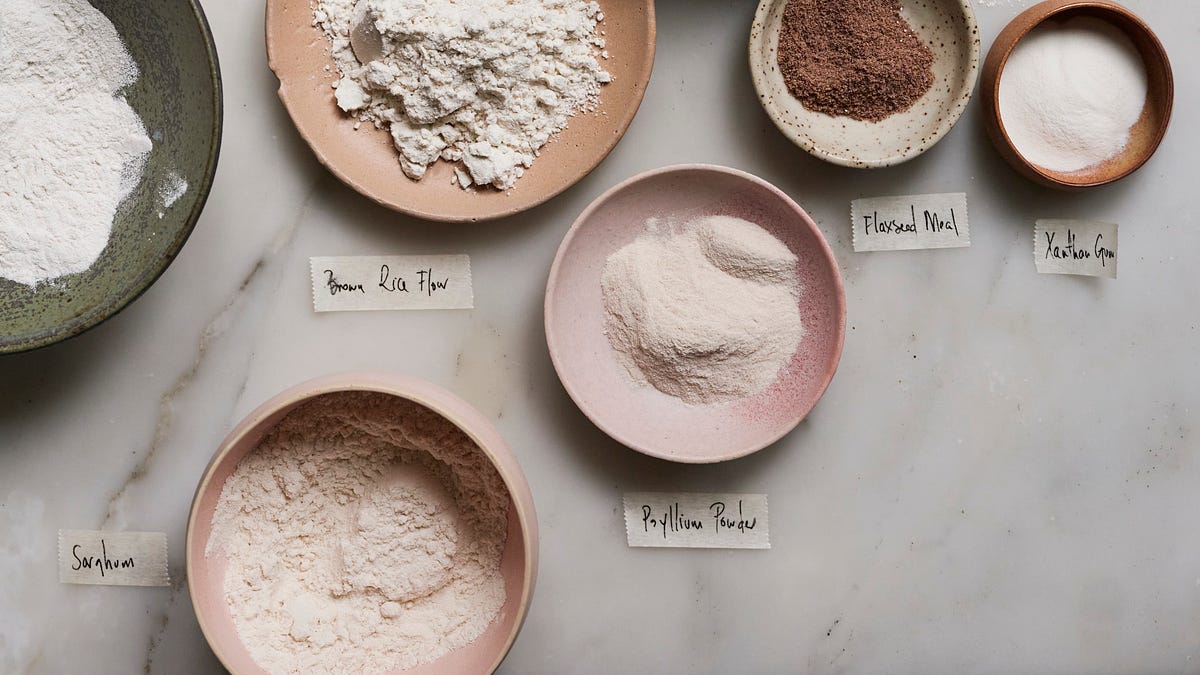
Hit me up in the comments below if you have any questions on making this recipe and/or just get a copy of Aran's book for everything you'd ever want to know about gluten-free bread:
 Aran Goyoaga
And find Aran's recipes below the fold.
—Andrew
Whole-Grain Brown Rice–Teff Sourdough Starter
This sourdough starter has become my go-to since I started developing gluten-free bread recipes. The teff adds a very nuanced earthiness that balances the sweetness of the brown rice. I use ivory teff, but you can use dark teff, which will result in a darker starter.
MAKES ENOUGH STARTER FOR 1 BOULE, PLUS MORE TO KEEP GOING
70 grams superfine brown rice flour
10 grams ivory teff flour
95 grams filtered water, at around 80°F (27°C)
FEEDING 1: In a medium bowl, whisk together the brown rice flour, teff flour, and water until you have a paste that has the consistency of hummus. If your paste is thicker, add a very small amount of water and whisk. Make sure to incorporate air into it. Cover the bowl with a kitchen towel and let it ferment for about 12 hours or until the sponge has a mousse-like texture when you run a spoon through it. It might not be very bubbly after the first feeding.
FEEDING 2: Measure 75 grams of the starter into a medium bowl. Discard the rest. Whisk in the same amount of brown rice flour, teff flour, and water as in the first feeding. Cover the bowl with a kitchen towel and ferment for about 12 hours or until it has a mousse-like texture. Again, depending on your flour, you might not see many bubbles after this second feeding and that is okay. Continue with the remaining feedings.
FEEDINGS 3 THROUGH 10: Repeat the process as stated above every 12 hours for a total of 10 feedings (5 days). By day 3, you should see bubbles and aeration after 12 hours. Right after the tenth feeding, transfer the starter to a mason jar (anything from a 12-ounce (340 ml) to a 1-quart (1 L) jar will work well) and let it ferment there for up to 12 hours or until it is bubbly. The starter is ready to be used.
Country White Sourdough Bread
When I think of a basic white, tender, and soft sourdough bread, this is it. The crumb is moist and has small air pockets, and the crust is soft and golden. It is perfect for all kinds of sandwiches and even French toast. I’ve provided some suggestions for variations on the following pages, but you can add any other ingredients you like to create your own versions of this recipe. I like to proof the dough in an oval banneton (proofing basket) to create a batard shape, but of course a round boule will work as well.
MAKES 1 BATARD
FOR THE SPONGE
170 grams filtered water, at around 75° to 80°F (24° to 29°C)
150 grams Whole-Grain Brown Rice–Teff Sourdough Starter (page 48)
70 grams sorghum flour
70 grams superfine brown rice flour
FOR THE DOUGH
25 grams psyllium husk powder
370 grams filtered water, at around 75° to 80°F (24° to 29°C)
20 grams maple syrup
12 grams extra-virgin olive oil 105 grams sorghum flour 90 grams millet flour
90 grams tapioca starch
10 grams kosher salt
White rice flour, for dusting
Make the sponge. In a medium bowl, whisk together the water, starter, sorghum flour, and brown rice flour until smooth. Cover with a kitchen towel or plate and proof for 3 to 4 hours, until it feels mousse-like when you run a spoon through it.
Make the dough. In a medium bowl, whisk together the psyllium, water, maple syrup, and olive oil until smooth. Let it gel for 5 minutes. In a stand mixer, stir together the sorghum flour, millet flour, tapioca starch, and salt. Add the sponge and psyllium gel. Snap on the dough hook and mix on medium speed until the dough comes together, 3 to 4 minutes. The dough should be moist and hold together nicely. Transfer to a work surface and knead a few times. Shape into a tight ball and then into an oval. Lightly dust an oval banneton with some white rice flour and place the dough in it seam-side up.
Proof the dough. Cover the banneton with a kitchen towel and proof until it feels slightly light to the touch, 2 to 4 hours. (Alternatively, proof for 1 hour at room temperature and then 10 to 12 hours in the refrigerator.) The dough will only rise about 25 percent, and don’t worry if it doesn’t seem that much lighter. It will rise in the oven.
Preheat the oven. Position a rack in the bottom third of the oven and place a cast-iron Dutch oven on the rack. Preheat the oven to 500°F (260°C). Once the oven has reached temperature, let the Dutch oven continue heating for 15 minutes.
Bake the bread. Cut an 8-inch (20 cm) square piece of parchment paper and place it on a work surface. Invert the dough onto the parchment. Dust the top with a little bit of white rice flour and score the top of the dough. Lift the dough with the parchment into the Dutch oven. Add 2 or 3 ice cubes next to the dough, cover with the lid, and bake for 45 minutes. Remove the lid, reduce the oven temperature to 450°F (230°C), and bake for 15 minutes, or until golden brown.
Cool the bread. Place the bread on a wire rack to cool for at least 1 hour before cutting into it. Store the bread at room temperature wrapped in a paper bag for up to 2 days.
VARIATIONS
Country White Cheese Boule:
Make the dough as directed. Mix 90 grams coarsely grated Cheddar cheese and 1 to 2 teaspoons (3 to 6 g) paprika into the dough after mixing. You could also add a heaping tablespoon of canned diced green chiles, if desired. Proceed with shaping, proofing, and baking as directed.
Country White Beet Swirl Boule:
In a small saucepan, combine 2 medium beets with water to cover. Bring to a boil over high heat. Reduce the heat to medium-low and cook the beets until fork-tender, about 45 minutes. Drain the beets and when cool enough to handle, peel and chop them. Puree in a food processor or blender until chunky.
Make the dough as directed. After the dough is mixed, add 120 grams of the beet puree and mix only until the beets are evenly distributed. If you mix longer, the entire dough will be pink; I prefer to leave a bit of a swirl effect in the crumb. Proceed with shaping, proofing, and baking as directed.
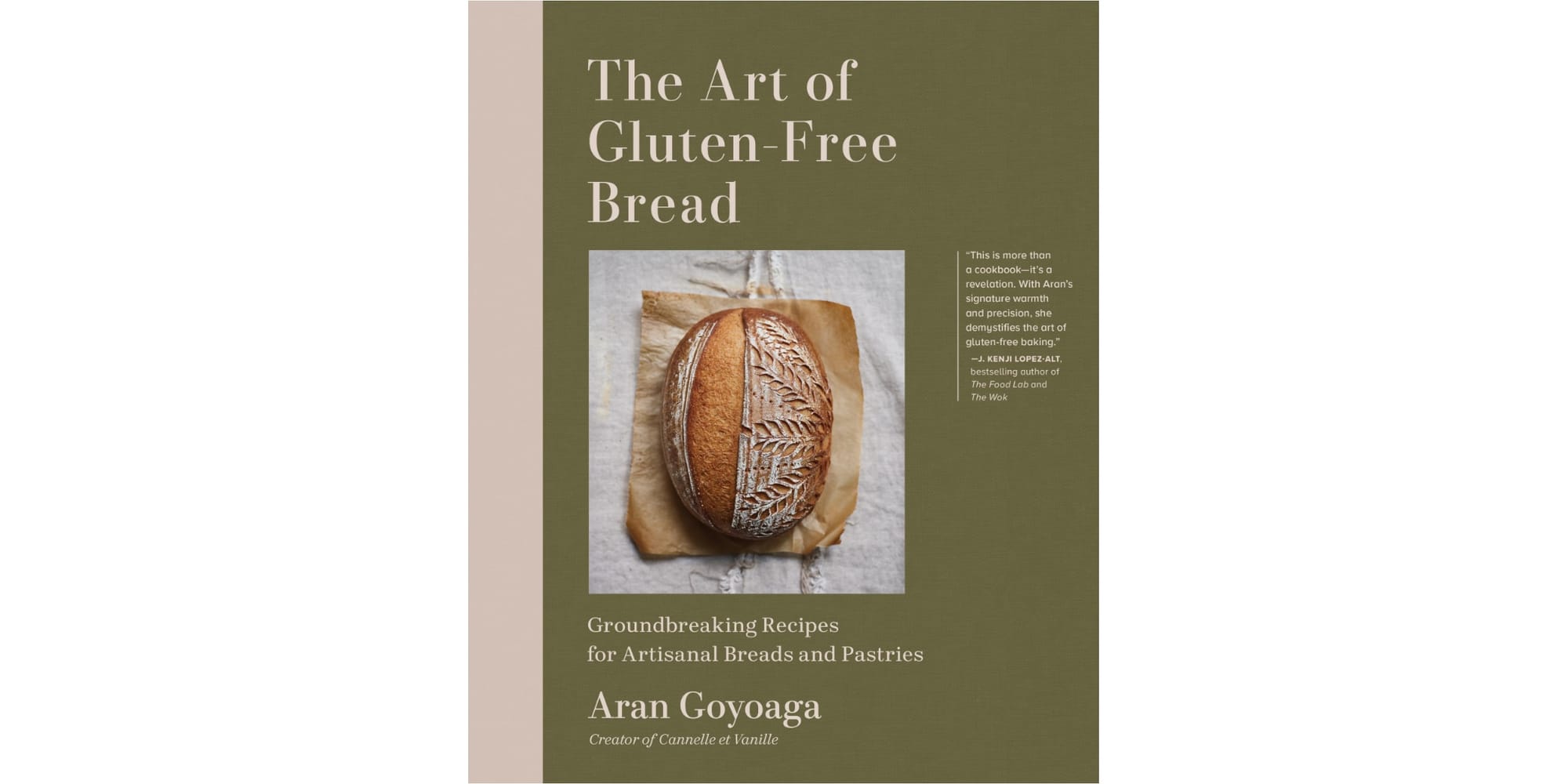
Excerpted from The Art of Gluten-Free Bread by Aran Goyoaga (Artisan Books). Copyright © 2025. Photographs by Aran Goyoaga.
wordloaf Newsletter
Join the newsletter to receive the latest updates in your inbox.