Everything's Gone Green
Inhale the fragrance of the wilderness
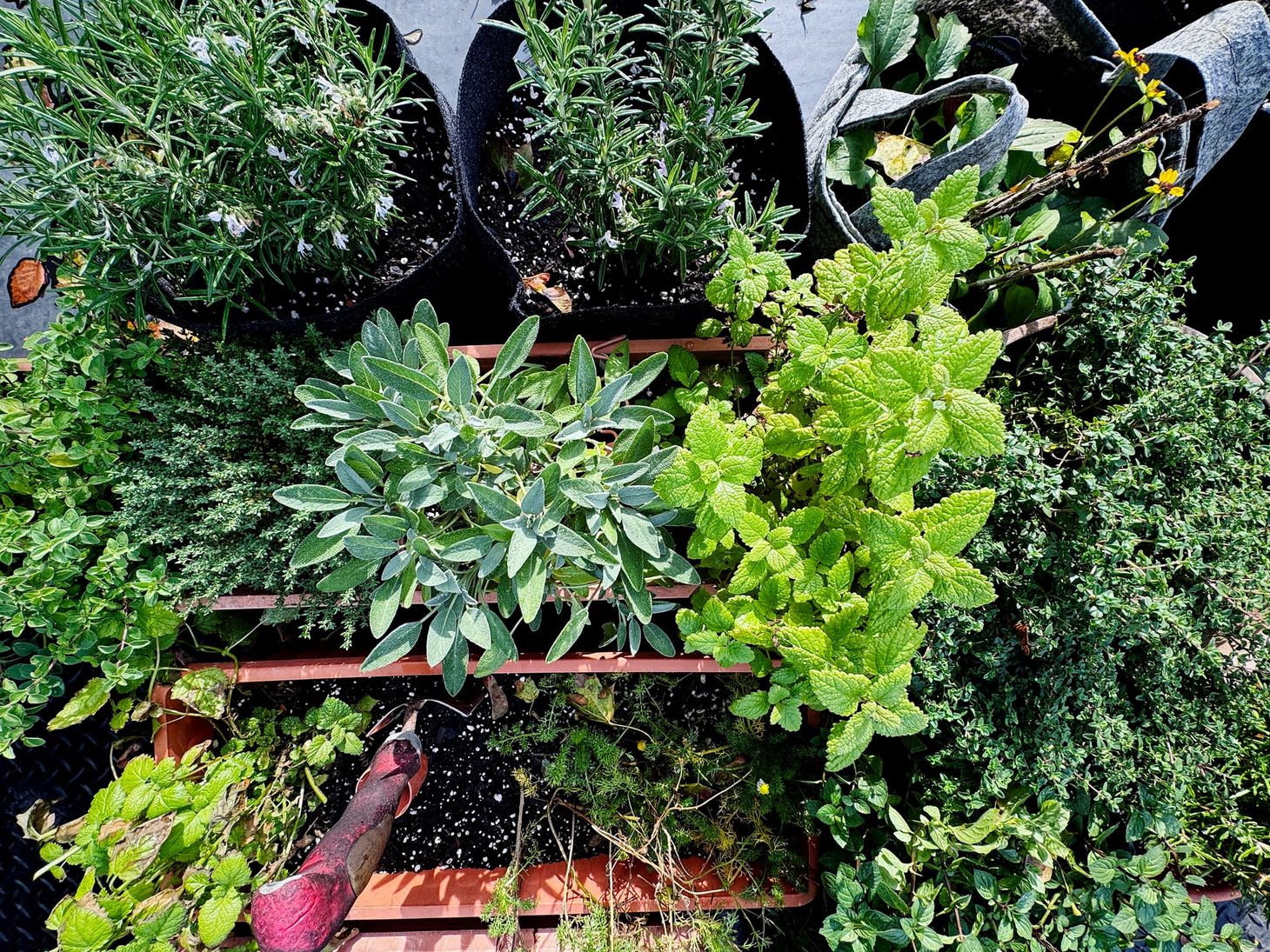
Table of Contents
The secret of cooking is the release of fragrance and the art of imparting it. Fragrance: the bay laurel, Laurus nobilis, a sacred tree, how brightly, how fiercely it burns. Gather its dark-leaved branches in summer if you can. Sweet the influence of rosemary, its ungainly shrubby stems bursting with pale lilac flowers. Pungent the mint trodden underfoot on the way to the orchard. Peppery and sweet the scent of wild marjoram, origano, self-drying in July on droughty limestone hillsides; lemon-scented the clumps of wild savory, poor-man's pepper, producing its minute snapdragon flours in August, picked by quarrymen on their way down from the quarry. Irresistible the bunches of herbs sold in the market place by an old man who bothers to gather them, shrubby sprigs of thyme nibbled by hares in high pastures and green-leaved sage, and clary. Holy the Byzantine perfume of coriander leaves and seeds, recalling the smell of incense burning in a Greek chapel perched on the spine of a bare mountain. Passer-by, grasp the invitation proffered by fennel flowers and seeds on brittle stalks leaning out from the hillside. Savour the strange sweet taste of juniper berries, blue-black, picked in September on a chalk down where nothing much else will grow. Wander through the maquis in spring when shrubby sages, thyme, rosemary, cistis, lentisk, and myrtle are in flower. Inhale the fragrance of the wilderness.
Honey From a Weed, Patience Gray, p. 94
This past year has been a good one for herbs in my humble rooftop garden. We grew a ton of basil, yielding more pesto than we'll be able to consume ourselves before next season rolls around. I've gotten a healthy bay laurel plant established (after a failed attempt earlier in the year), and (I think) a robust za'atar plant that I barely kept alive through last winter. I planted Italian and Greek oregano, two thymes, chives, sage, and three varieties of cold-hardy rosemary, all of which are going gangbusters. I accidentally discovered the joys of sedano, or leaf celery—its giant, deep-green leaves utilized primarily as an herb, rather than a vegetable, though the thin, fiberless stalks are nice too—a flat of which I purchased at a farmers market mislabeled as flat-leaf parsley. Not to mention the weedy self-seeders, returning year after year in abundance, like it or not: purple and green shiso, purslane, garlic chives, wild rocket, and chamomile. Or the mint, which cannot be contained.
After pesto and simply drying for future use, I've been thinking about other things to do with all this abundance. Here are a few ideas to consider.
Salsa verde
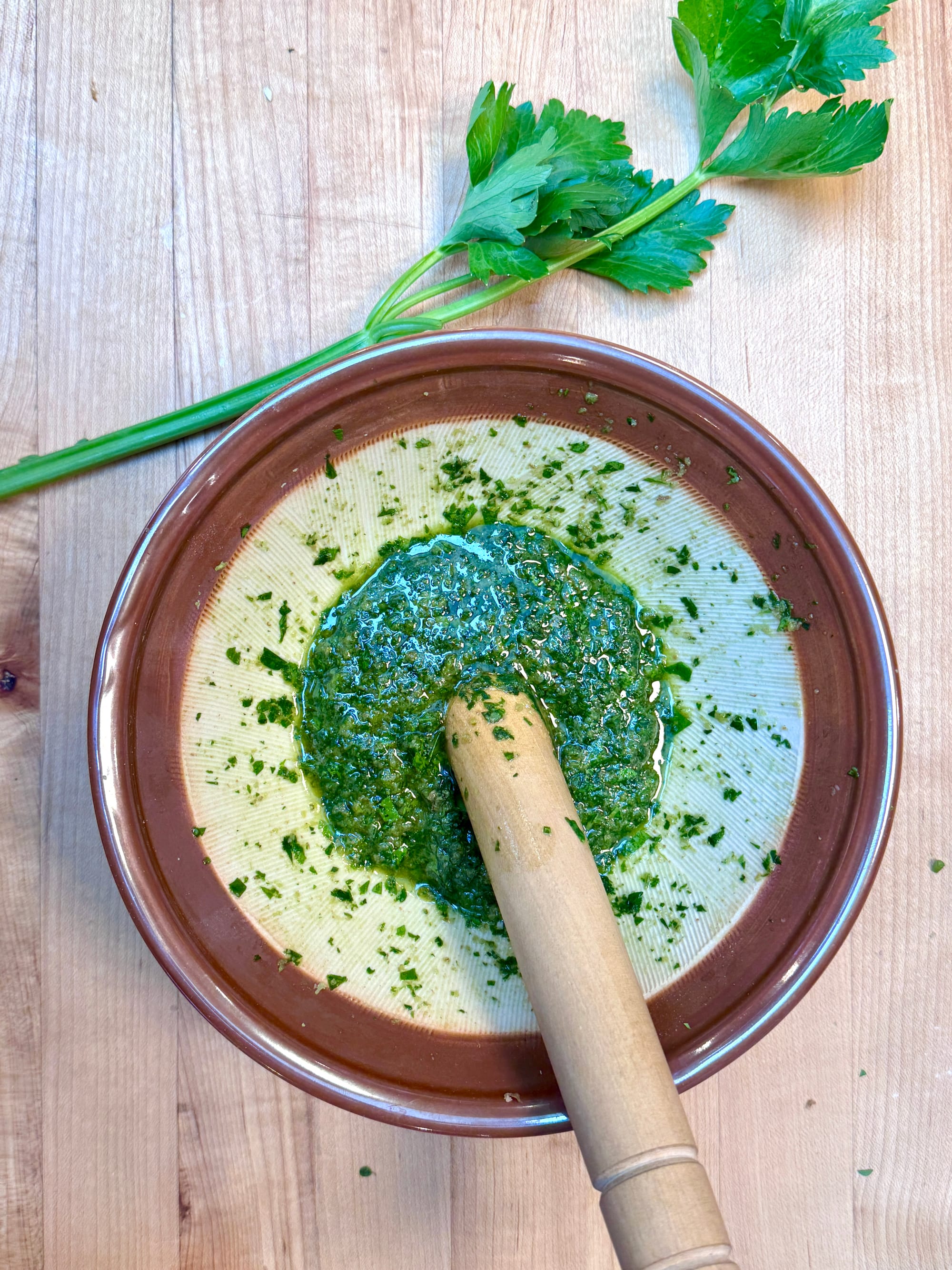
This is the recipe from Honey From a Weed, which is appropriately inexact, since it's the sort of sauce that encourages improvisation. I've been using leaf celery in place of the parsley, though just about any tender herb (or a combination) will work nicely. To make it vegetarian, omit the anchovies, or replace them with a teaspoon of fermented bean curd. Feel free to make it in a food processor if you don't have the time or patience to meditate over a mortar and pestle, just don't blend it too smoothly if you do. Gray recommends it as an accompaniment for poached or grilled fish or boiled meats, but it makes for a nice dip for crusty bread or as a spread for sandwiches too (at the very least). Refrigerated, it will keep for at least a few days.
a handful of fresh parsley • a clove of garlic
a dozen capers • 2 anchovies, desalted and filleted
a slice of bread pared of its crust and soaked in wine vinegar
black pepper • olive oil
Finely chop the parsley. Pound the peeled garlic with the capers and anchovies in the mortar; add the soaked bread, squeezed of excess vinegar; and pound again. Chop the parsley, pound it in, then season with black pepper, and liberate the mixture by adding several dessert-spoons of olive oil, stirring.
This yields about 1 cup.
Green Mash
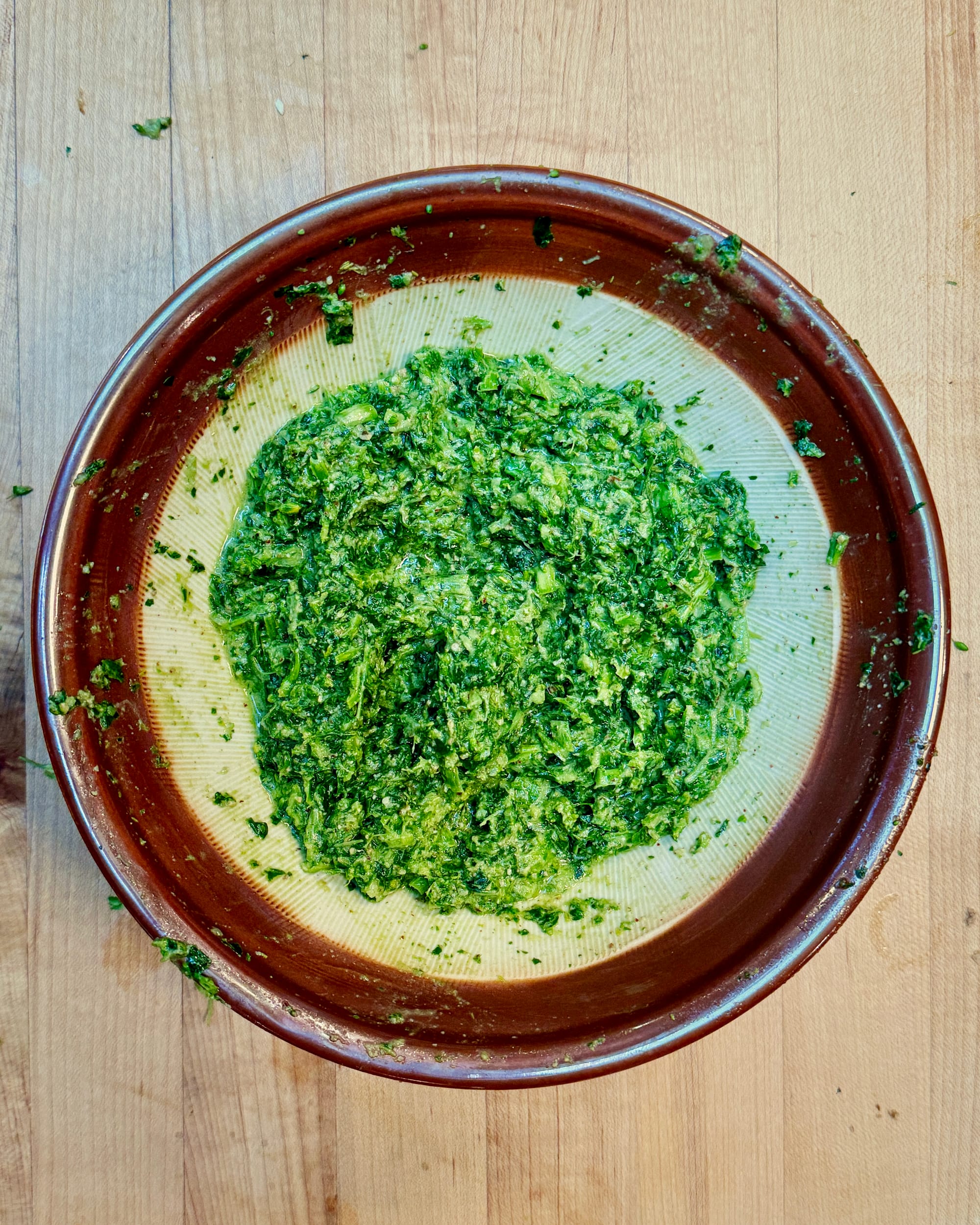
This variation on salsa verde is not so much a use for herbs as one for bitter greens like arugula, escarole, or radicchio, though it could be made with tender, pungent herbs like leaf celery or parsley (or be made with bitter greens, heavily supplemented by aromatic herbs). It's also an excellent use for root vegetable tops, like those from turnips or radishes. This is a recipe that originated from a friend and has been popular amongst my friend group for a long time. Unlike salsa verde, which is "liberated" by the addition of oil at the end, green mash gets its sauciness from the greens themselves, the oil being a lesser element here. Like salsa verde, green mash serves nicely as a piquant sauce for meats and fish, though it can be used to cut through all sorts of rich dishes (e.g., mashed potatoes, for some mash-on-mash action, or as a dip for crunchy roasted potatoes) or to punch up milder-mannered proteins like tofu or chicken, or starches like rice.
Again, this is more of a non-recipe recipe, one that should be approached with improvisation in mind. It could be made in a food processor, but it being a mash, is best made with a mortar and pestle, preferably a large suribachi, which is capacious enough to contain it (and the only sort of mortar and pestle I own).
garlic • coarse salt • olive oil
umeboshi • toasted nuts
bitter greens • lemon juice
Start by mashing a garlic clove, a pinch of coarse salt, and a splash of olive oil until smooth, then add an umeboshi—Japanese pickled plum—or two (a blob of kimchi or a pinch more salt will do, if absent) and continue mashing. Then add a handful of toasted nuts—pine, walnuts, almonds, etc.—and keep going. Once everything is reduced to a coarse, even paste, add shredded or chopped greens (and herbs) a handful at a time, along with some acid—lemon juice or ume vinegar, for example—and enough additional oil to keep the mixture loose as you work. Once the greens and herbs have been incorporated and reduced to a paste—4 shredded cups or so—season with additional salt, acid, and olive oil to taste. It should be loose and smooth and flow just a little, if it's dry, thin with a little water. Serve within a day or so, preferably at room temperature.
Though I haven't done it yet myself, green mash would also be excellent when made with an acid-soaked slice of bread rather than the nuts. This makes about 2 cups of mash.
Microwave-extracted herb oil
Somehow, while searching online for something else I now have no memory of, I recently stumbled upon a scientific paper on the use of microwaves for the extraction of herbs and other natural products. Microwave ovens don't merely heat things like other modes of cooking, they heat them differently, which makes them very efficient at extracting compounds from within plant materials without degrading them or requiring large amounts of solvent:
Compared to conventional methods, MAE offers significant advantages, including reduced extraction times, lower solvent consumption, enhanced extraction yields, and improved energy efficiency...These advantages come from microwave energy directly interacting with polar molecules in the sample, which causes rapid internal heating, quick cell disruption, and efficient mass transfer.
When moist plant material is combined with a solvent (water, oil, or alcohol) and heated in a microwave, the water molecules in it heat up very fast, bursting the cells, exposing their contents immediately to the solvent.
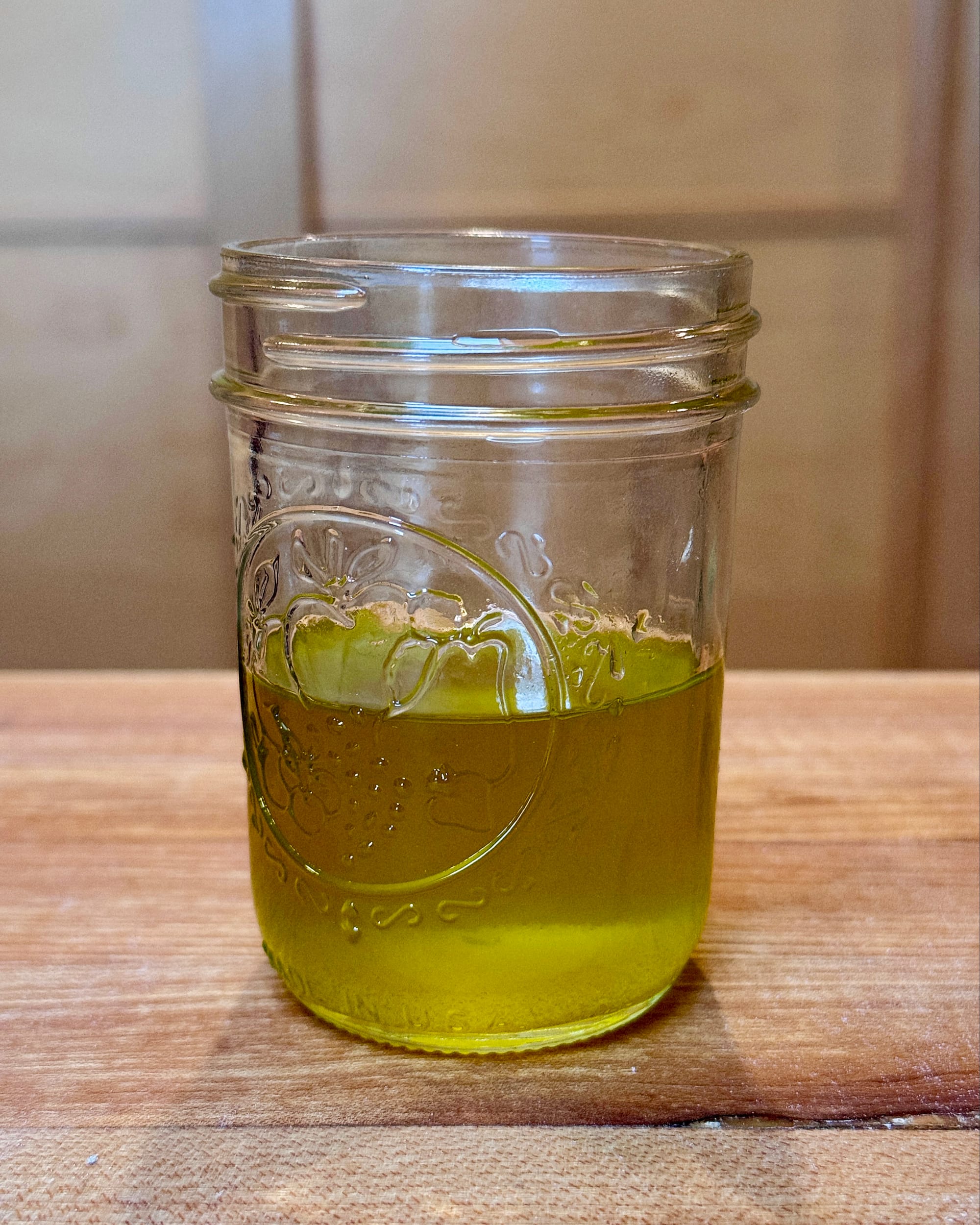
Given the glut of basil we had on our hands, I immediately tried it out to see how well it would work to make basil oil. I stirred together equal weights of oil and basil leaves in a jar and then heated it in 30-second intervals on full power, stirring after each burst. The mixture started to sizzle—as the water in the leaves began to boil—after less than 2 minutes and the jar and oil was warm. I then just let the leaves cool for a few hours or overnight, and drain in a sieve.
The oil has a nice, potent basil flavor, with a mild, but not unpleasant green, grassy overtones. I need to try it out with other herbs soon, but it's clearly effective, and a nice way to quickly make a clear oil-extract for dipping or use in dressings.
What are some of your favorite uses for an overabundance of herbs?
—Andrew
wordloaf Newsletter
Join the newsletter to receive the latest updates in your inbox.