Wordloaf Holiday Book Stack 2025, part two
Beyond bread
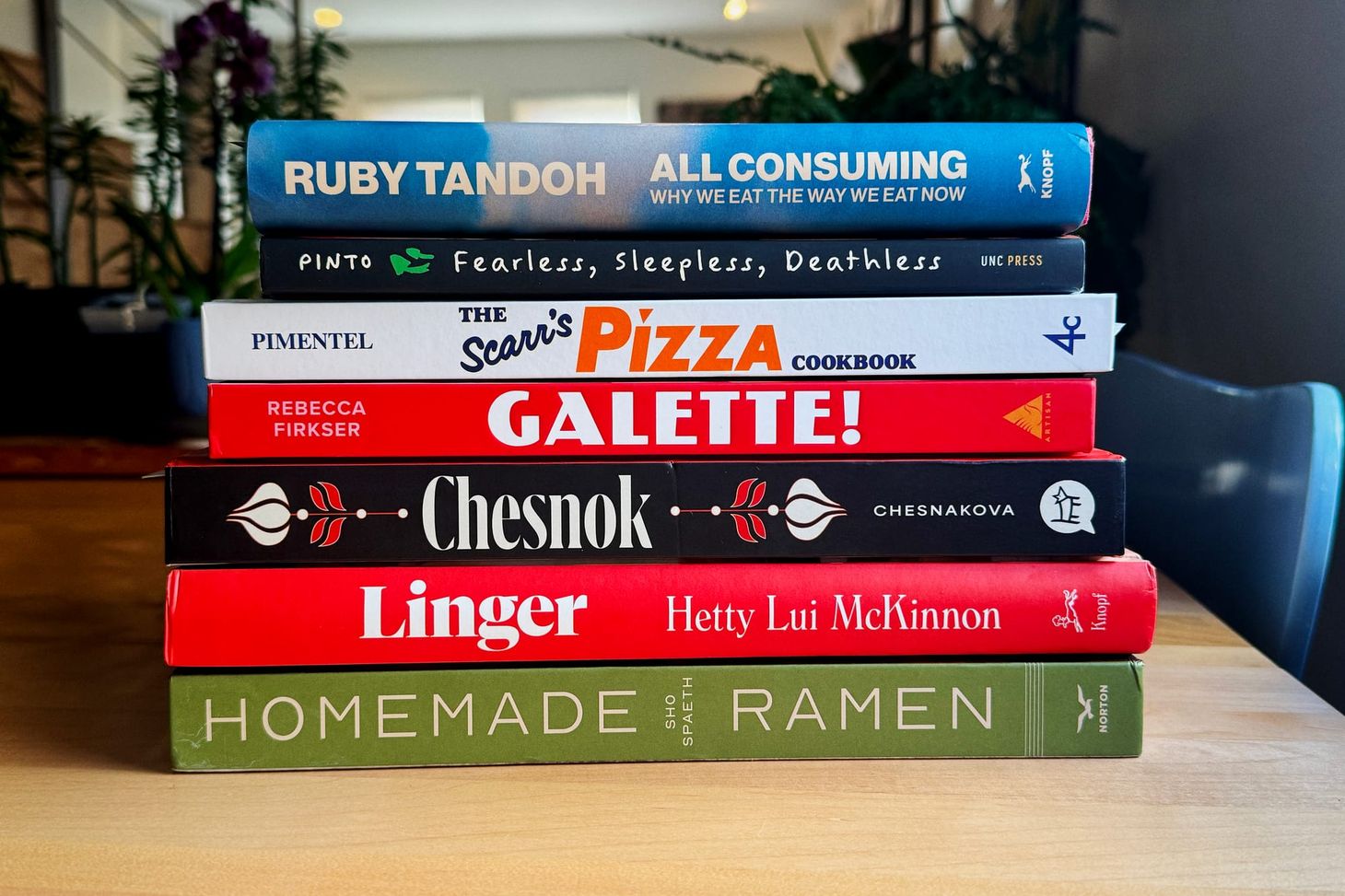
Table of Contents
Welcome to part two of the 2025 Wordloaf holiday book guide. This week's list covers some of my favorite 2025 books beyond the world of bread. Before I get into them, don't forget some of the other books I've highlighted here recently that should also be on your gift-giving radar:
 Andrew Janjigian
 Andrew Janjigian
 Andrew Janjigian
I hope you can find many these books at your favorite local bookshop. If not, most of the links below are for bookshop.org, which is my go-to non-evil online shop for book purchases. Another excellent option is always Kitchen Arts & Letters:
 WORA
WORA
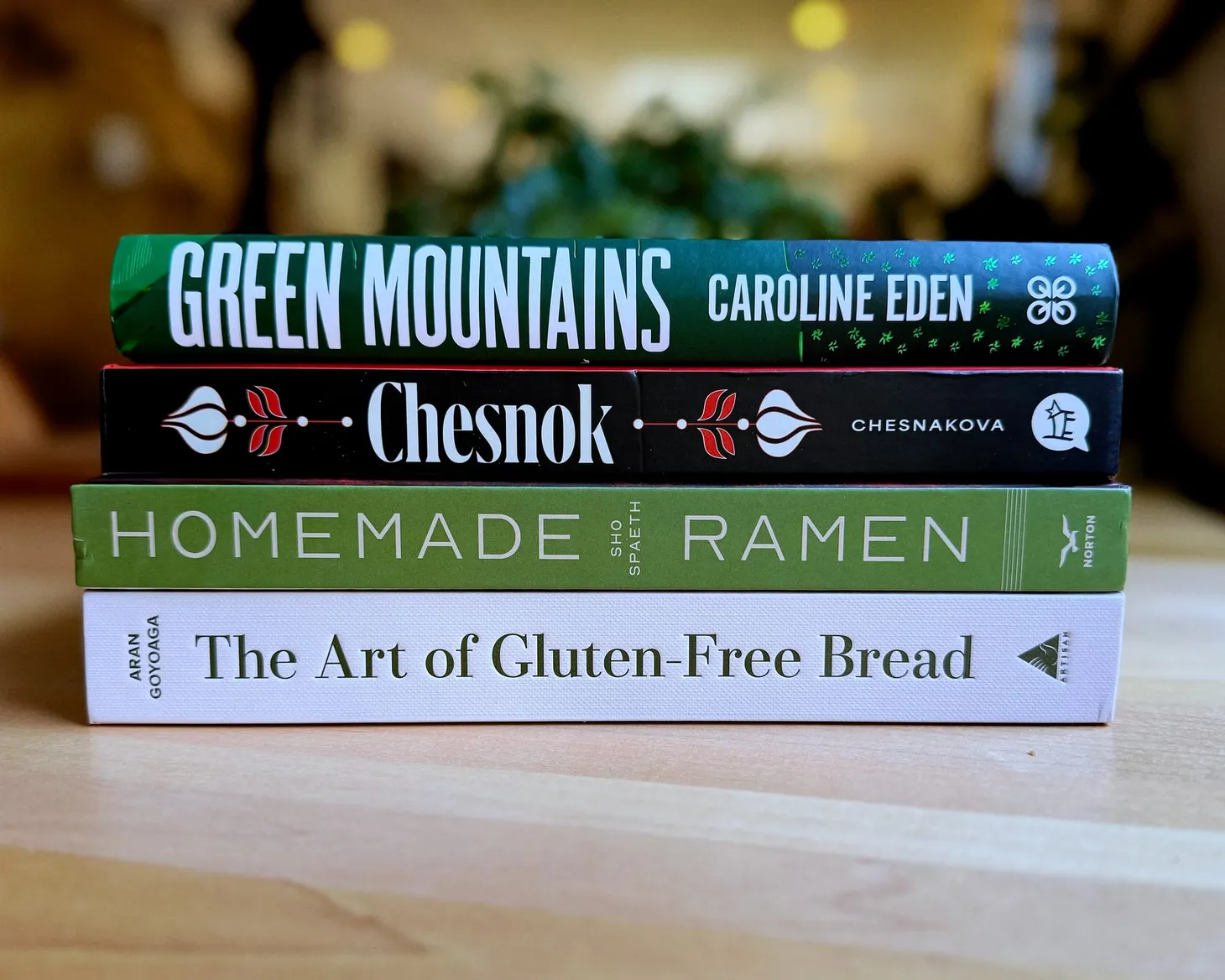
Homemade Ramen, by Sho Spaeth
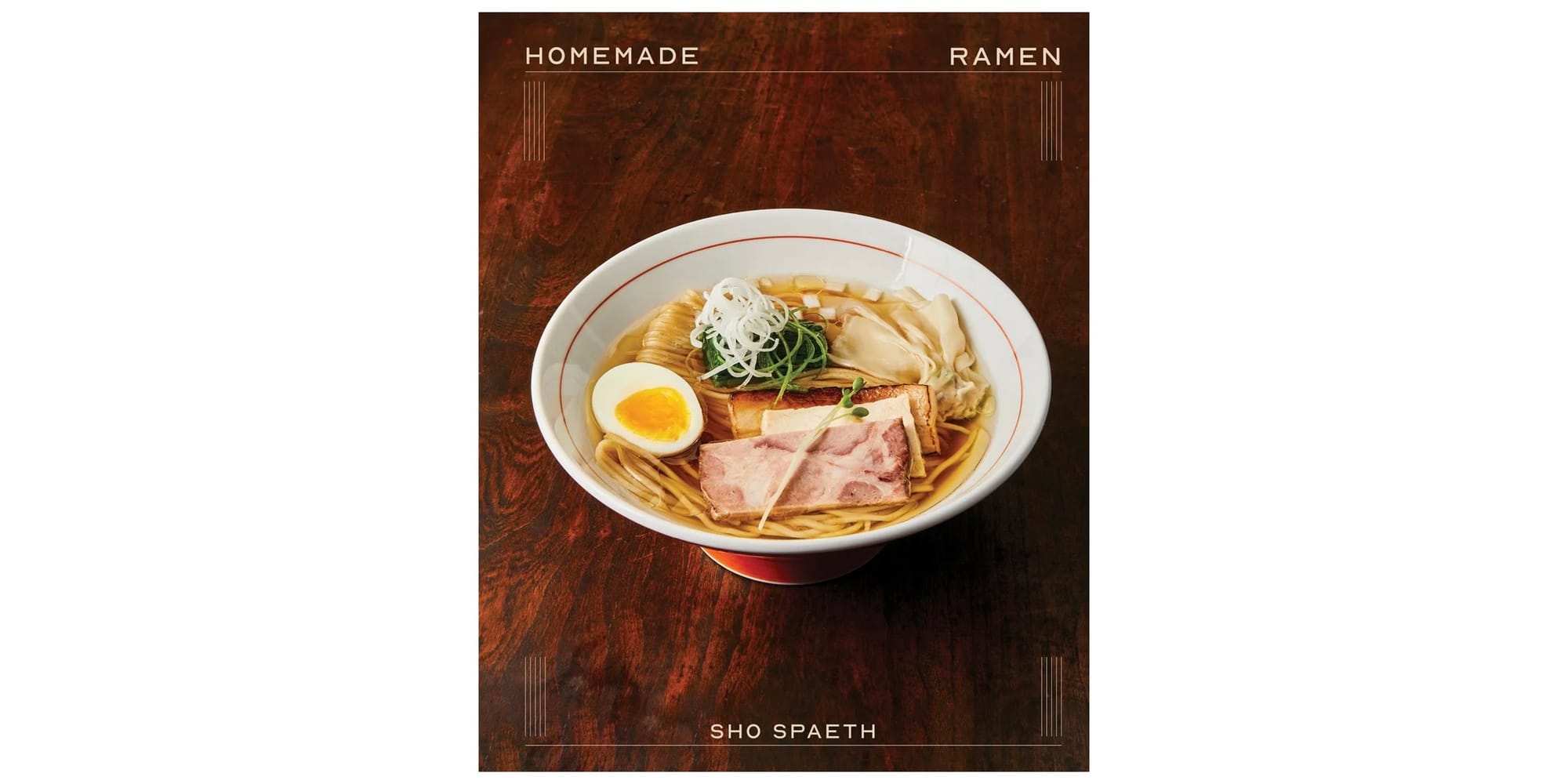
I first read Sho Spaeth's Homemade Ramen early this year, when Sho asked me to write a blurb for it:
Ramen, like pizza or hamburgers, is a bundle of traditions, conventions, cultural trends, proscriptions, and crazed opinions. As a food writer, recipe developer, and ramen geek, Sho Spaeth has spent over two decades trying to make sense of it all, adapting common ramen-making techniques to his kitchen at home, and coming up with recipes that are representative of a range of ramen styles.
Recipes include:
Classic shoyu ramen - Shio tanmen with clam stock - Miso ramen - Spicy tantanmen - Pork rib tsukemen - Soupless ramen (mazemen) - Vegan chickpea ramen
With over 100 step-by-step photographs, Homemade Ramen shows you how to make every element in 13 bowls of ramen from scratch, from the soup and seasoning to the springy noodles and a wide range of toppings. More than that, the book shows that making ramen is easy, and it gives you everything you need to geek out on ramen on your own.
"Beyond the fact that they both involve doughs, ramen is a lot like bread: many moving parts, but none all that complicated to pull off when considered in isolation. Sho Spaeth is a wise and knowing guide to the art and science of ramen-making, and Homemade Ramen is the practical manual to ramen I did not know I've always wanted." —Andrew Janjigian, head baker at the Wordloaf newsletter, and author of Breaducation
Ever since then, I've been looking forward to finishing my own book, so I could have the time to start making ramen at home using Sho's techniques. Once I do, expect some recipes here at Wordloaf. In the meantime, consider this amazing book for anyone in your life who loves ramen or Japanese food.
 W. W. Norton & Company
The Scarr's Pizza Cookbook, by Scarr Pimentel
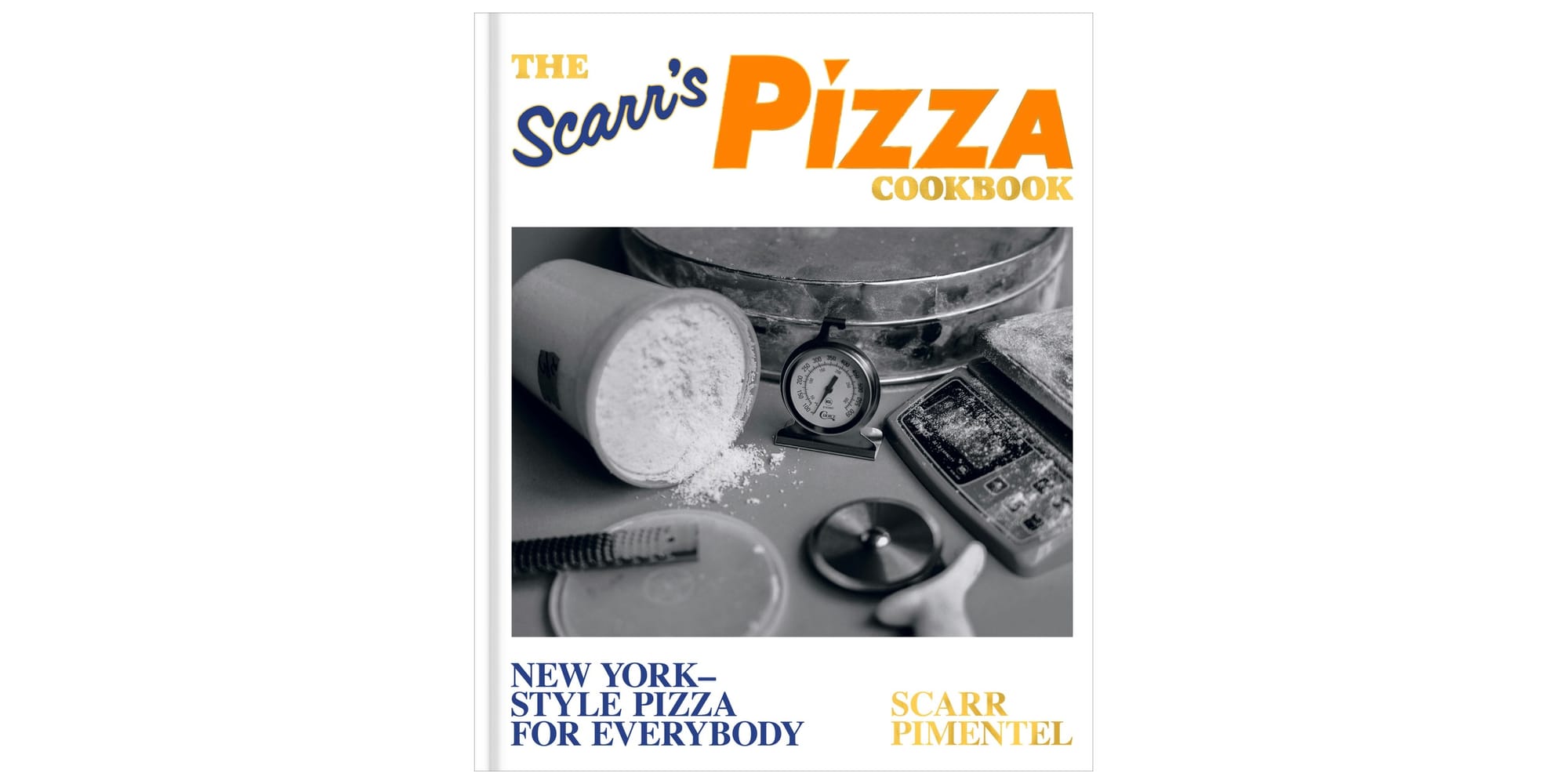
Scarr's Pizza is—AFAIK—the first NYC slice shop to use in-house, fresh-milled flour in their dough. I've not been there yet myself (I haven't had a significant visit to the City since beginning work on my book, and I have a long to-do list for when I get back there), but it's been very popular almost since the start. And now they have a book out of recipes and stories that is something any pizza-head would appreciate:
After working at some of New York’s most iconic pizzerias and restaurants, Scarr Pimentel opened Scarr's Pizza to put his own healthy spin on the classic New York-style pizza slice. Now, in a debut cookbook using all-natural and organic ingredients with 30 recipes and step-by-step photos, he shares his ethos alongside the techniques and recipes you need to make great pizza at home.
Starting with round and square variations of his dough that includes the famous freshly milled grains—recommended, but not required—Scarr breaks down the anatomy of his famous pies. Learn the tips and tricks to mill your own flour, source the freshest ingredients, and make the best tasting sauce and toppings, all while being guided by Scarr’s unfussy, encouraging voice. Recreate your favorites from Scarr’s Pizza plus some new items, including:
- Pizza pies like Original, Marinara, and Hotboi
- Extras like Calzones, Vegan Garlic Knots, and Meatball Parm
- Cocktails like DJ CK Lemonade, Guava Margarita, and Vegan Piña Colada
And, incidentally, the Scarr's Pizza Cookbook was edited by my editor, Claire Yee, who is very good at her job.
4 Color Books
Linger, by Hetty Lui McKinnon
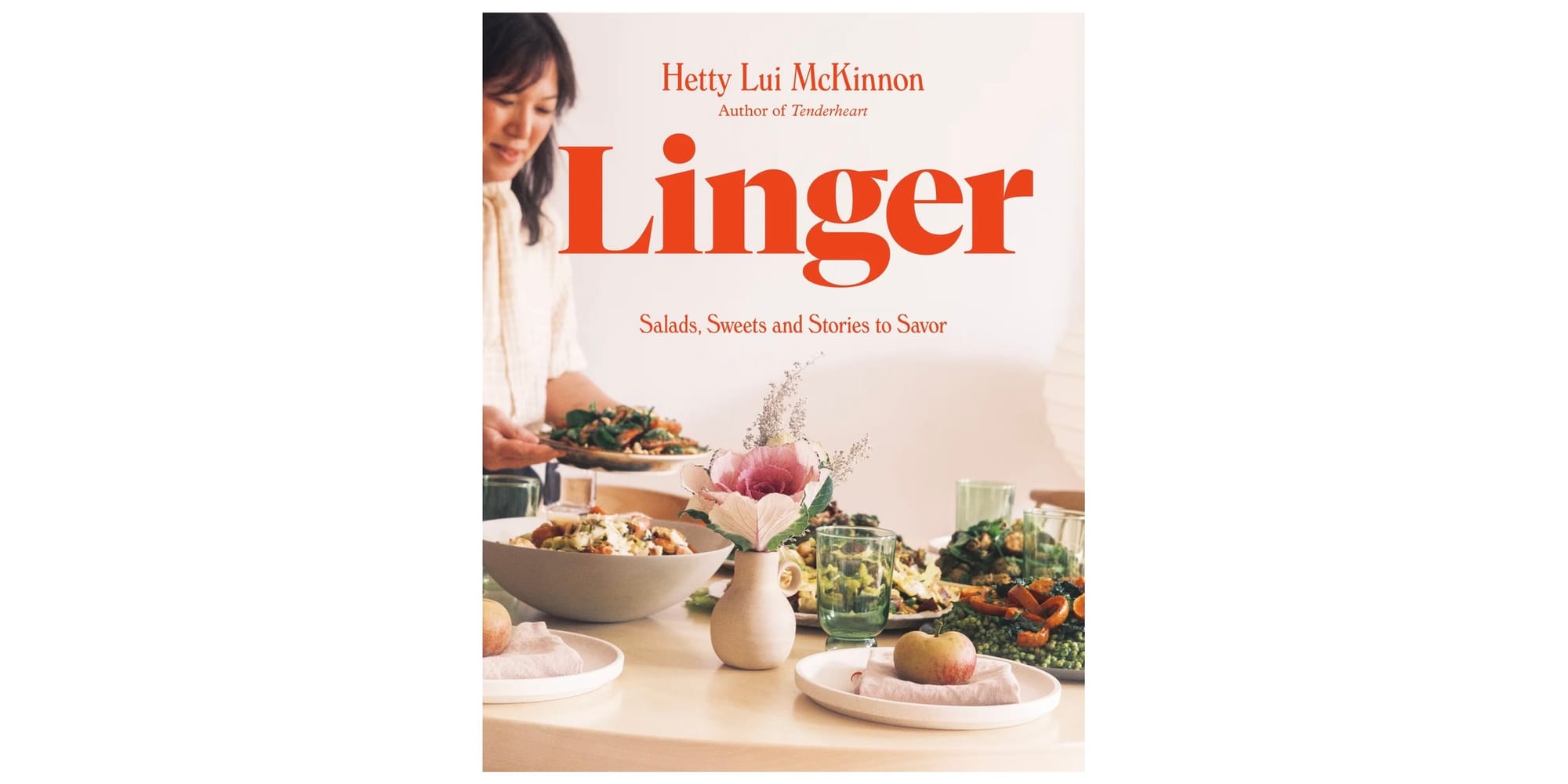
A few weeks back, I attended a chat here in Cambridge between my friend Irene Li and Hetty Lui McKinnon about Hetty's new book, Linger. I've long been a fan of Hetty's work, and the new book is as wonderful as her previous ones. The focus is on salads, but for Hetty, nearly anything can be a "salad" if you approach it with an open mind:
In her follow-up to the James Beard award-winning cookbok Tenderheart, Hetty Lui McKinnon returns with Linger, a cookbook for those looking to up their salad game. These colorful main-meal salads are inventive and hearty, packed with vegetables and globally-inspired flavors. Linger proves that salads are the most versatile dish, perfect for weeknight dinners, not-sad-desk-lunches, and as a show-stopping celebration meal.
From her salad-delivery days in Sydney to her current career as a food writer and bestselling cookbook author in New York, Hetty has long known the power of salads to connect and create community. In Linger, Hetty presents her salads, sweets and stories in twelve vibrant, loosely-seasonal menus -- each of which have their own playlist -- that are the perfect blueprint for gathering and entertaining.
Over 100 recipes, including:
• Caprese Salad with Grilled Pineapple • Mapo Tofu salad
• Cauliflower Larb • French Onion Salad
• Curry Potato-and-Pea Dumpling Salad • Potato Salad Tartine
• Vegan Dan Dan salad
• Roasted Spiced Carrots and Crispy Tofu with Agrodolce
• Tomato and Kimchi Pasta Salad
• Butternut with Lentils, Olives, and Pickle Sauce
• Plus sweets like Hong Kong Milk Tea Tres Leches and Matcha and Ginger Custard Tart!
The book even includes a few breads, and I'm hoping to share one of them at some point here next year.
Knopf
Ruby Tandoh's All Consuming
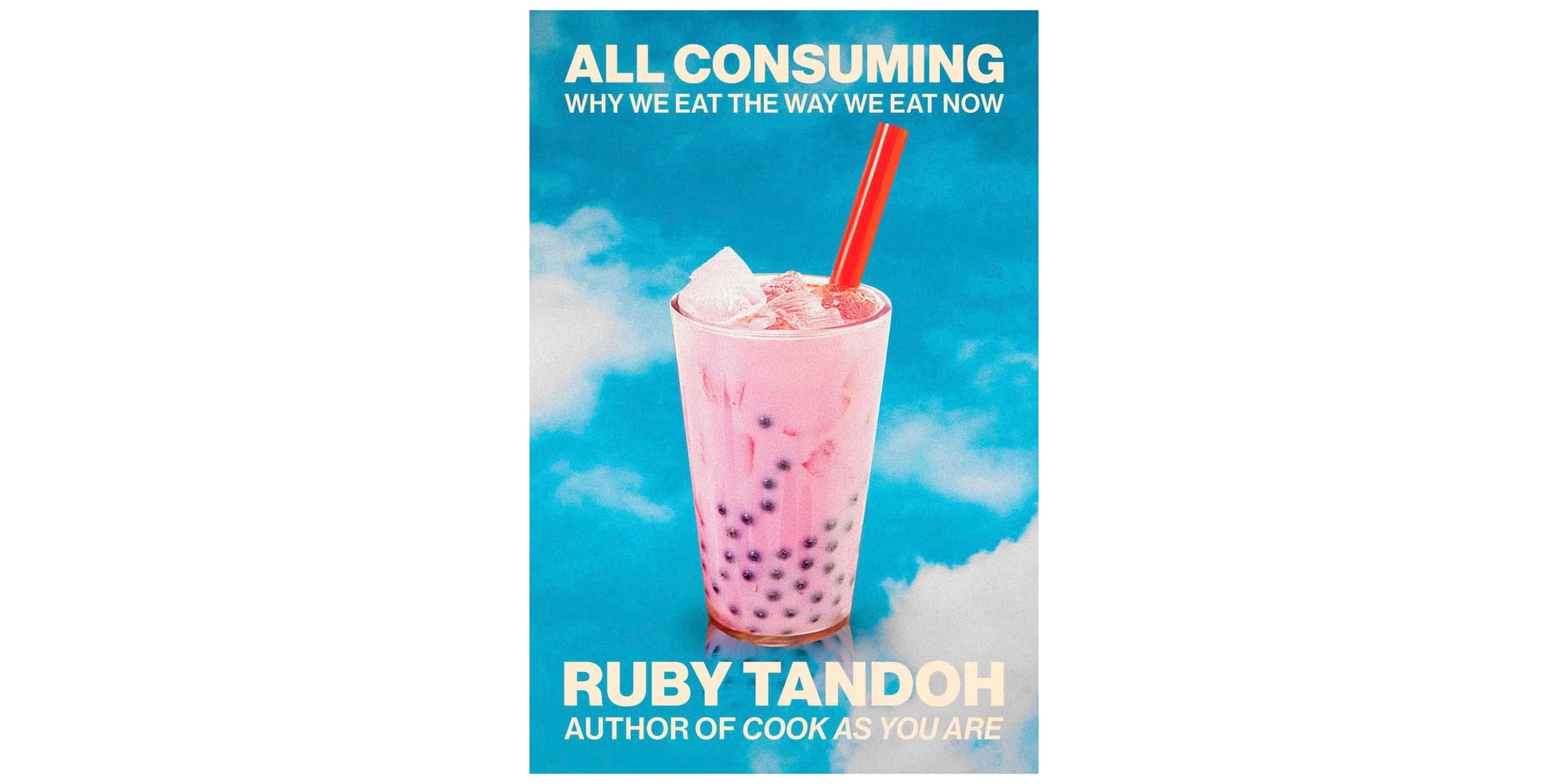
Every new article or book from Ruby Tandoh is a cause for celebration, and her All Consuming: Why We Eat the Way We Eat Now is no exception. I devoured this book in a matter of days, and have already read much of it a second time around. It's a series of interconnected essays on eating and appetite in the 21st century and how it is inextricably mediated by our culture, and the Internet in particular:
How, in the space of a few decades, has food gone from fact of life to national past time; something to be thought about—and talked about—24/7?
In this startlingly original, deeply irreverent cultural history, Ruby Tandoh traces that transformation, exposing how cult cookbooks, bad TV, visionary restaurants, and new social media have all wildly overhauled our appetites. All Consuming explores:
• The rise of the TikTok food critic
• What makes a hype restaurant go viral
• Bubble tea’s world domination
• The dream of the modern dinner party
• The limits of the cookbook
• The history of the supermarket
• Wellness drinks—and where they come from
• The rise and fall of the automat
Our tastes have been radically refashioned, painstakingly engineered in the depths of food factories, and hacked by craveable Instagram recipes. They’ve been pulled into supermarket aisles and seduced by Michelin stars, transfixed by Top Chefs and shaped by fads. A deep dive into the social, economic, cultural, legislative, and demographic forces that have reshaped our relationship with food, All Consuming questions how our tastes have been shaped—and how much they are, in fact, our own.
This is an essential book for anyone who cares about food and cooking.
 Knopf
Knopf
Fearless, Sleepless, Deathless, by Maria Pinto and Forest Euphoria, by Patricia Ononiwu Kaishian
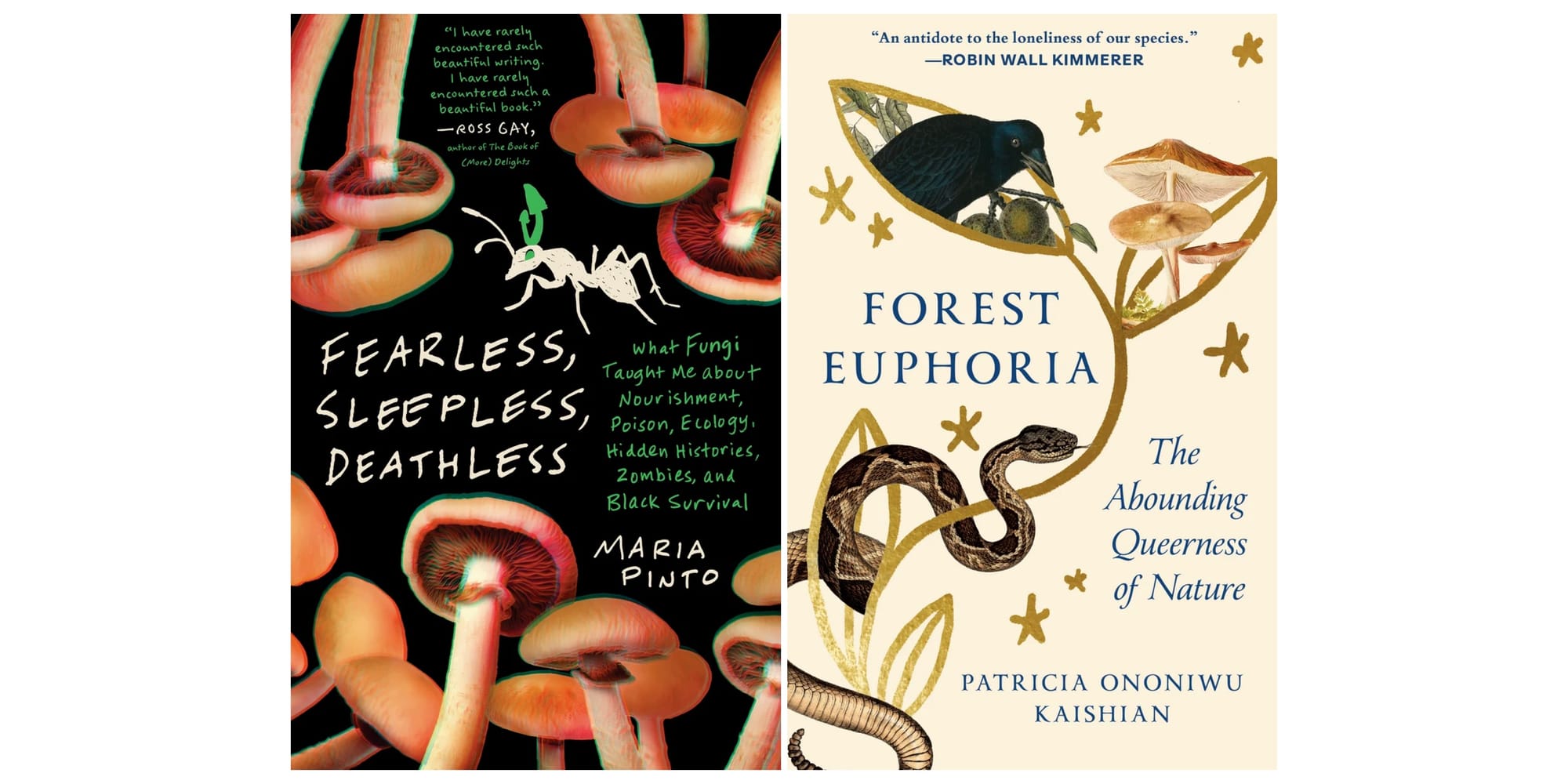
This year saw the release of two books on mushrooms and mycology by women, and both of them are incredible. The first is Fearless, Sleepless, Deathless, by Maria Pinto:
Naturalist, forager, and educator Maria Pinto offers a stunning debut book that uncovers strange and beautiful fungal connections between the natural and human worlds. She mingles reportage, research, memoir, and nature writing, touching on topics that range from Black farmers' domestication of the unforgettable aroma of truffles to the possibility that enslaved people wielded mycological poisons against their enslavers.
Pinto brings a new perspective and a distinctive literary voice to this mix of environmental and lived history, and every page sings with her enthusiasm for the networks in which we are embedded: fungal, ecological, ancestral, and communal. Join her in pursuit of beautiful, perplexing, delicious, and deadly mushrooms as she explores this understudied kingdom's awe-inspiring diversity and discovers how fungi have been used by people, especially those on the margins, for survival, pleasure, revelation, and revolution.
And then there's Patricia Ononiwu Kaishian's Forest Euphoria:
Growing up, Patricia Ononiwu Kaishian felt most at home in the swamps and culverts near her house in the Hudson Valley. A child who frequently felt out of place, too much of one thing or not enough of another, she found acceptance in these settings, among other amphibious beings. In snakes, snails, and, above all, fungi, she saw her own developing identities as a queer, neurodivergent person reflected back at her--and in them, too, she found a personal path to a life of science.
In Forest Euphoria, Kaishian shows us this making of a scientist and introduces readers to the queerness of all the life around us. Fungal species, we learn, commonly encompass more than two biological sexes--and some as many as twenty-three thousand. Some intersex slugs mutually fire calcium carbonate "love darts" at each other during courtship. Glass eels are sexually undetermined until their last year of life, a mystery that scientists once dubbed "the eel question." Nature, Kaishian shows us, is filled with the unusual, the overlooked, and the marginalized--and they have lessons for us all.
Wide-ranging, richly observant, and full of surprises, Forest Euphoria will open your eyes and change how you look at the world.
Both of these books would be wonderful choices for anyone interested in mushrooms and the natural world.
University of North Carolina Press Spiegel & Grau
That's it for my 2025 book recommendation round-up. Tune in next week for some recommendations for tools, ingredients, and foods to consider.
—Andrew
wordloaf Newsletter
Join the newsletter to receive the latest updates in your inbox.