Wordloaf Holiday Book Stack 2025, part one
It's never too early
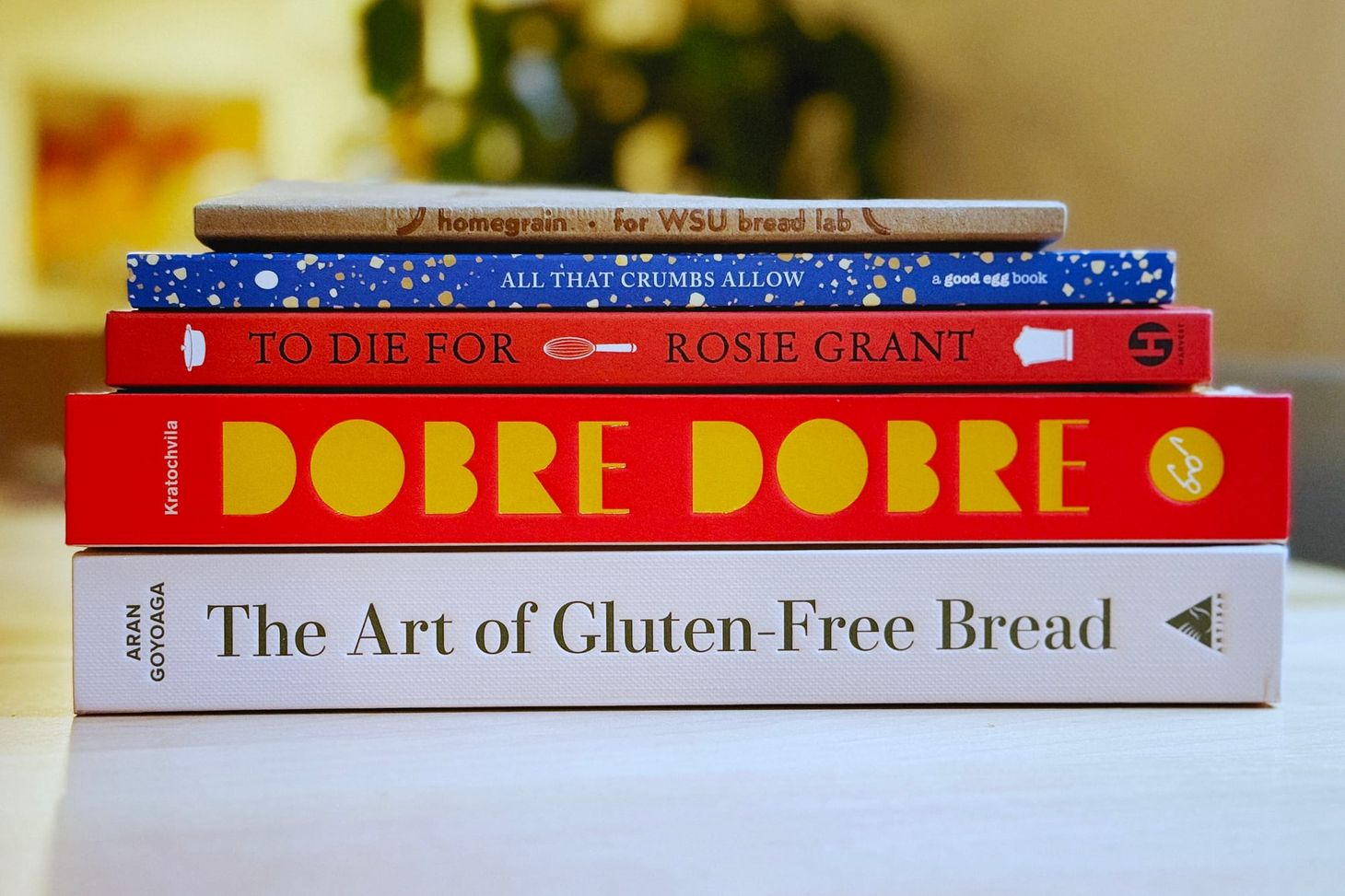
Table of Contents
I have a new set of deadlines ahead of me for Breaducation in mid-December: taking all the photos, another round of edits to the manuscript, and cross-testing and finalizing the recipes. Each is going to take a ton of work to complete on time, especially in parallel. The publisher has generously increased the page count for the book by 50 pages, but unfortunately for me, the number of pages I submitted still exceeds that, so much of the editing work I have to do next involves cutting: sorting out which recipes I can live without, and trimming material from the front matter and then stitching it back together neatly.
Given how much I have ahead of me between now and the holidays, I am going to take a break from regular publication here through the end of the year, starting after Thanksgiving. I may send out some things after that—especially for paid subscribers, for which I have some treats in store—but it'll be intermittent at best. The good news is that this really is the final big push to get Breaducation done. There will still be more work to do after that, but it'll mainly be detail work—things like revisions, proofing, and photo re-shoots.
With that in mind, I wanted to send out my annual Wordloaf holiday gift-giving guides early this year. This week and next I will cover books; after that, I'll highlight some tools, ingredients, and foods I love.
All of the books I want to highlight with these posts are ones I've been meaning to cover individually here, and I will return to all of them in the new year. So consider this a sneak preview of content to come. I hope you can find copies these books at your favorite local bookshop. If not, most of the links below are for bookshop.org, which is my go-to non-evil online shop for book purchases. Another excellent, also not-evil option is always Kitchen Arts & Letters:
 WORA
WORA
Rosie Grant's To Die For
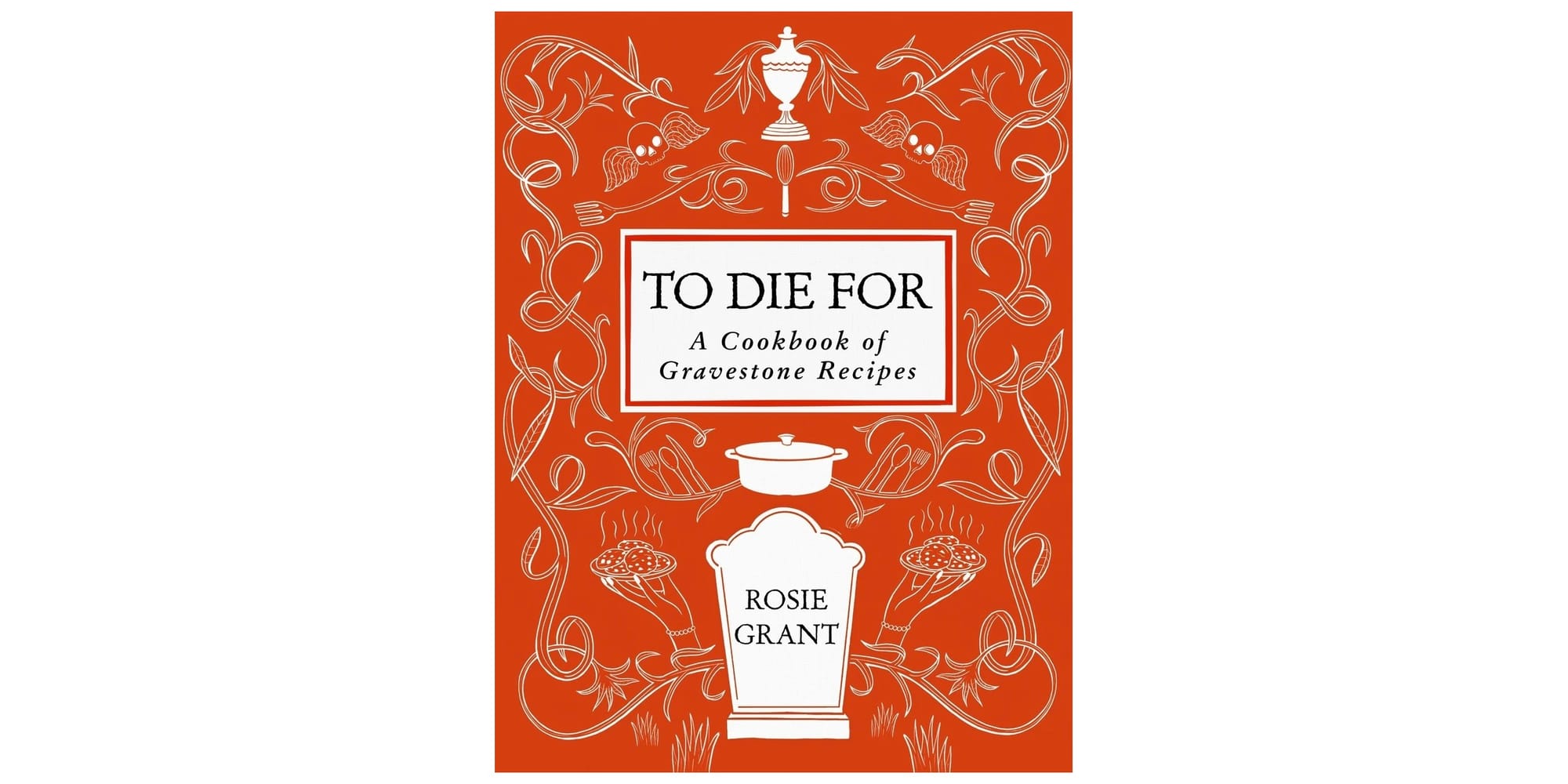
The first is Rosie Grant's To Die For: A Cookbook of Gravestone Recipes, which is exactly what the title suggests. Rosie's work of combing the world for en-graved recipes is something I highlighted way back in 2023, and now she has a bestselling book out all about it. Here's how the publisher describes it:
An inspiring collection of recipes preserved on gravestones, with fascinating interviews from the families, celebrating the beloved food legacies of their dearly departed.
For so many, food is a touching, nostalgic thing that brings us together. So much so that some families choose to remember their loved ones through the dishes they made and the food that brought comfort to those around them by immortalizing their recipes on their gravestones.
Rosie Grant, the creator behind @GhostlyArchive, has been searching out and documenting this interesting phenomenon. In To Die For, Rosie collects 40 recipes she’s found across the globe, carved into headstones or associated with a grave that has a story to share. Each recipe is accompanied by an interview with the remaining family, plus photography of the food, the gravestone, and any memorabilia the family wanted to share.
Thoughtfully and respectfully explored, Rosie has documented this connection between food, legacy, and family, remembering the deceased through the recipes they most loved, and giving their families a platform to share their loved one’s story and cherished dish with the world.
Back when Rosie and I first chatted about her gravestone recipe collection, she didn't have many bread recipes, but the book actually contains more than I'd expected (understandably, given that bread recipes tend to be on the wordy side), including Ida's nut roll, a rolled Romanian filled sweet pastry, Ise's easy potato rolls, and Charleen's old-fashioned honey whole wheat bread. Most of the remaining 47 recipes are baked goods of one kind or another, though there are a handful of savory recipes, including those for meatloaf, chicken soup, and fried tomatoes.
 Harvest
Laurel Kratochvilla's Dobre Dobre
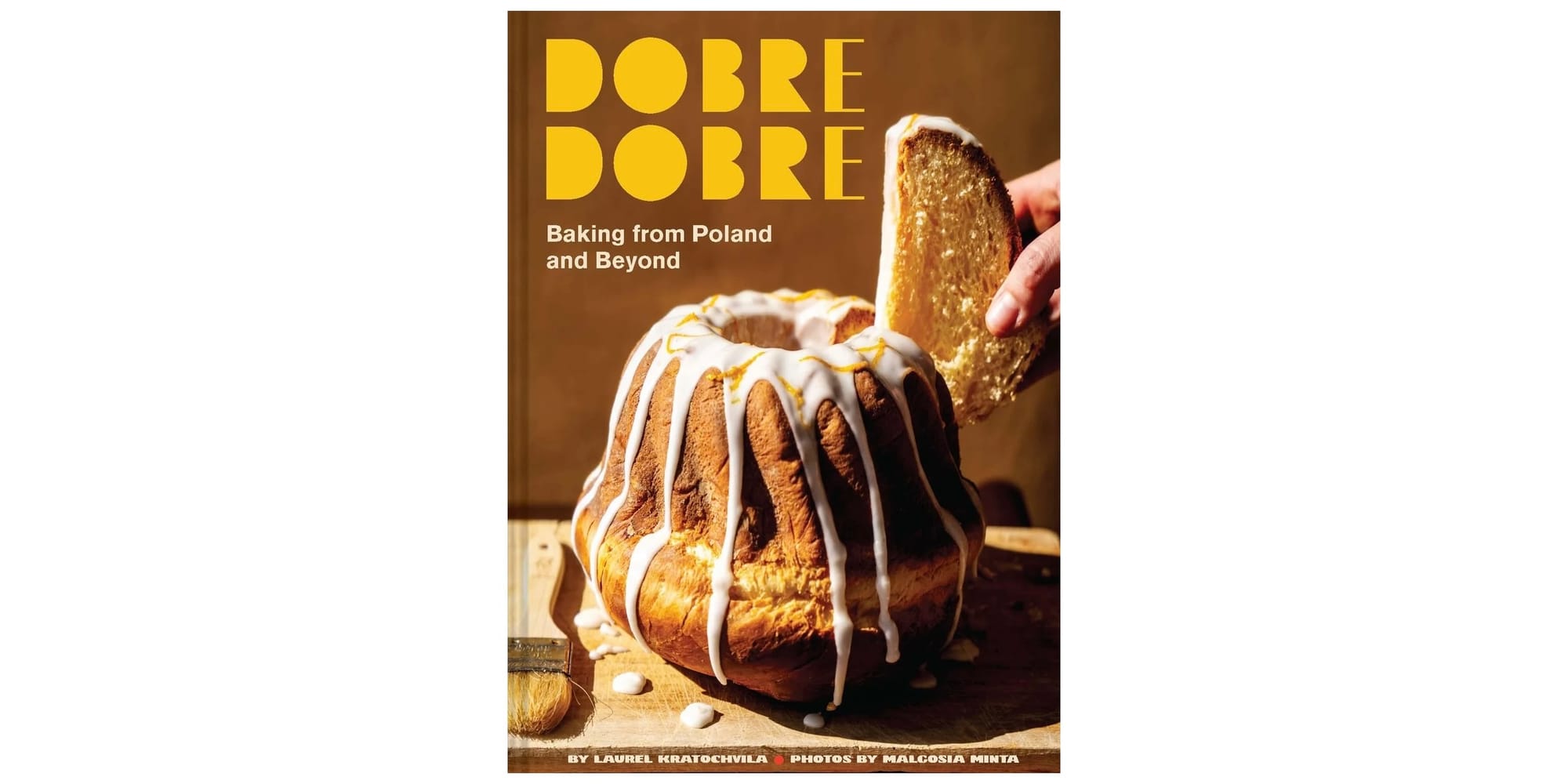
Then there is Laurel Kratochvila's Dobre Dobre, a book about baking from Poland, including many breads:
This masterful exploration of Polish baking combines vivid storytelling with more than 120 recipes that range from sweet to savory, classic to contemporary, and from deep within the Polish heartland to the outer reaches of the diaspora. Discover breads, bialys, cheesecakes, donuts, Danishes, meringues, and more that win the coveted praise "Dobre, dobre, nie za słodkie" ("good, good, not too sweet.")
"The poetry and romance of Polish baking leaps out of the pages of Dobre Dobre. Bilberry-stuffed buns and walnut-shaped cookies sound like offerings from a fairytale. From Karpatka to Baletki, Proziaki to Piernik, there is so much to discover and fall in love with in this beautifully photographed and comprehensively researched cookbook. Laurel's affection for and fascination with Poland's baking tradition is infectious and the results are delectable." - Luisa Weiss, author of Classic German Cooking and Classic German Baking
I'm a big fan of Laurel's previous book, New European Baking, not only because the recipes are wonderful, but because in it she highlights the work of the many bakers she trained under or learned from. Dobre Dobre continues this effort, with a focus on Polish bakers. It's also a recovery of Jewish baking traditions that disappeared from Eastern Europe after the Holocaust. It's a beautiful book, and I can't wait to share more of it here with you.
Chronicle Books
All that Crumbs Allow, from Camilla Wynne and Michelle Marek
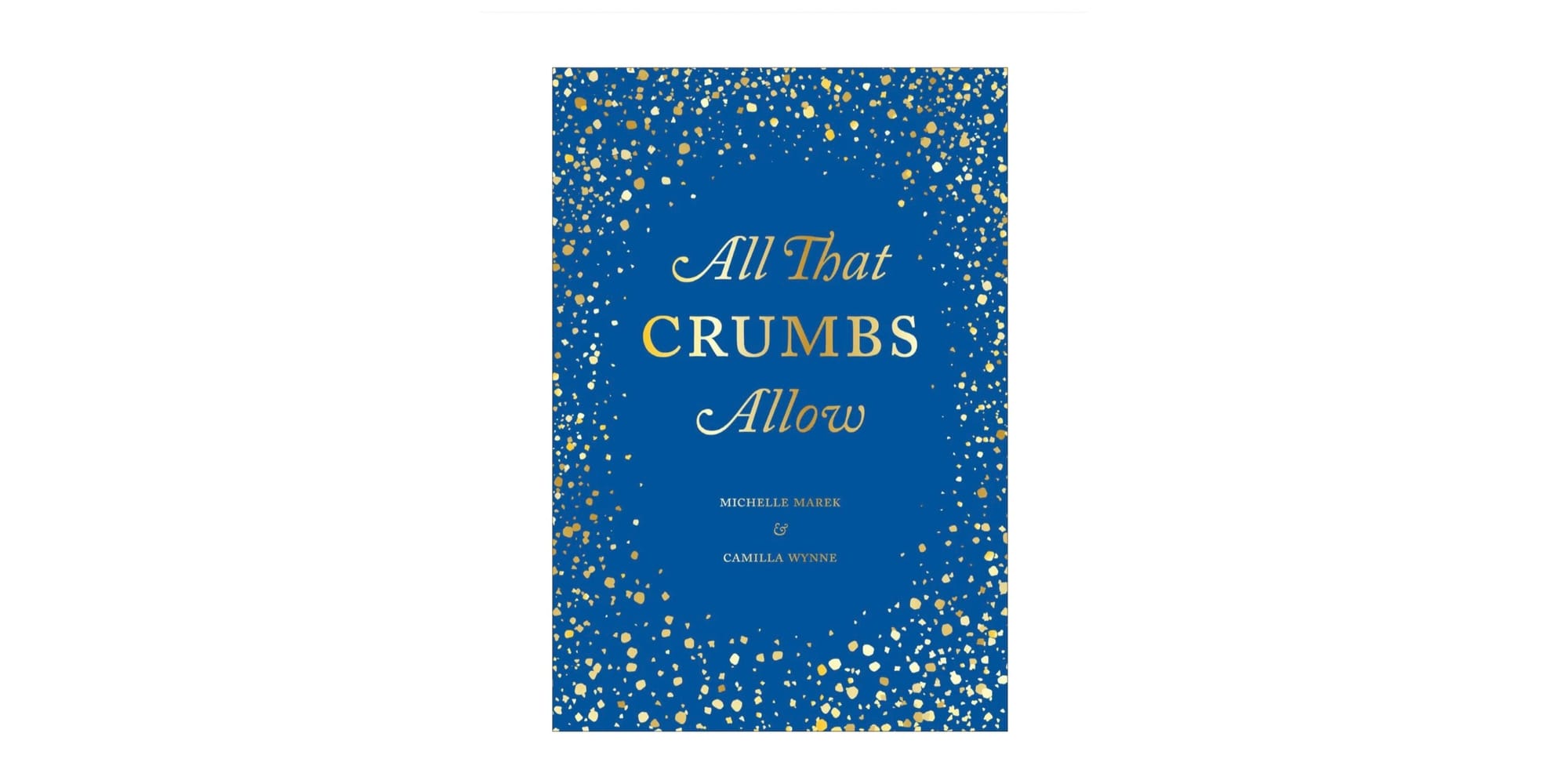
Then there is All That Crumbs Allow, by Camilla Wynne and Michelle Marek, a book all about cooking and baking with breadcrumbs and old bread:
There’s something quietly radical about a cookbook that treats breadcrumbs not as afterthought but as catalyst: an ingredient worth cooking toward, not merely with. In All That Crumbs Allow, former restaurant professionals Michelle Marek and Camilla Wynne build that case with conviction and creativity, anchoring the everyday act of using up leftover bread in a sense of pleasure, not scarcity.
The 50 recipes gathered here are often simple in appearance, but they speak to a restless and inventive approach to cooking. Tuna fritters with lemony buttermilk dressing, a breadcrumb omelette served on rye, rhubarb-cardamom breadcrumb cake. These aren’t just practical; they’re unexpected and satisfying, balancing thrift with thoughtful layering of flavor and texture.
Czech dishes appear throughout the book, some classic, others gently reimagined, lending an idiosyncratic note that complements the authors’ understated style. And while there are no photographs, the occasional line drawing adds a light, almost zine-like touch, in keeping with the book’s compact, unpretentious feel.
Camilla and Michelle are two of my favorite bakers, and All That Crumbs Allow is everything I'd hoped it would be and more. While most of the 50 recipes are theirs, a handful were contributed by others, including Jeremy Lee, Nicola Lamb, and yours truly, who contributed a paean to panade. This book would make a great stocking stuffer for anyone who bakes bread, including yourself.
 Good Egg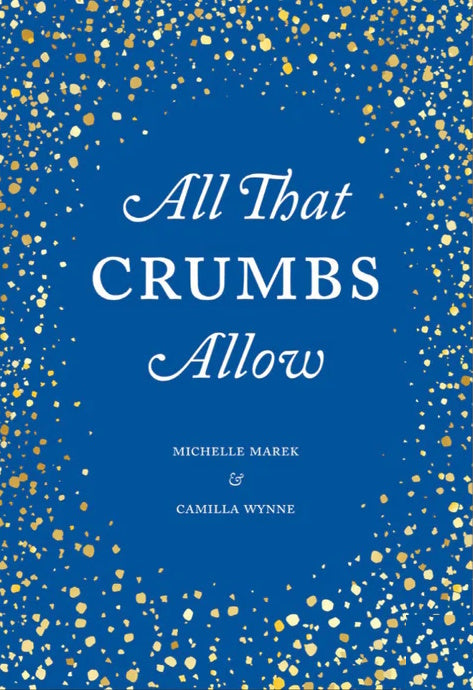
Aran Goyoaga's The Art of Gluten-Free Bread
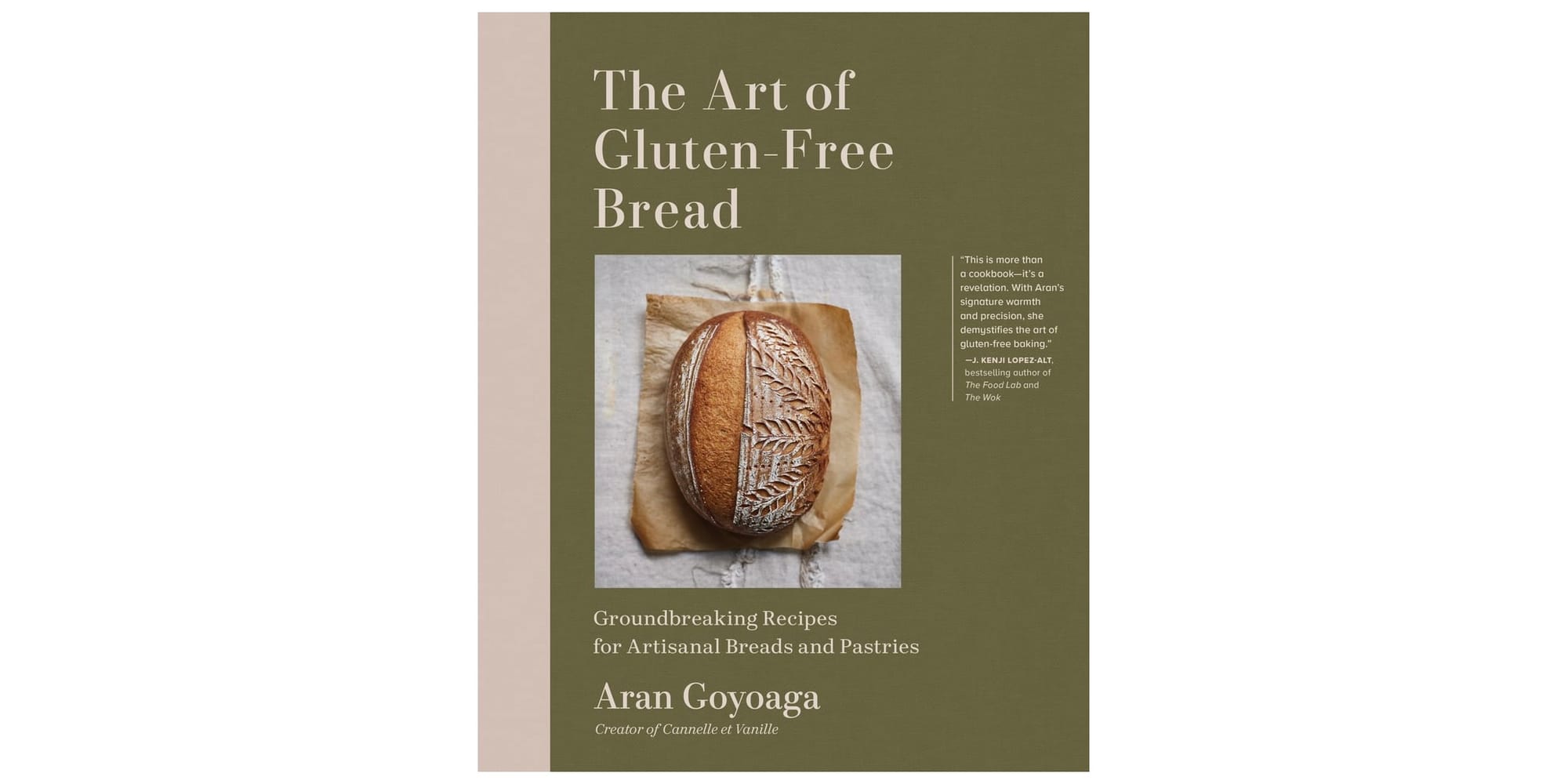
When I first began mapping out the recipes for Breaducation, I briefly considered including a gluten-free bread formula or two. I quickly realized that there'd be no way to do justice to the art of gluten-free bread baking, given how different it is from gluten-full baking. It deserved not just one or two recipes, but an entire book, and now we have it: The Art of Gluten-Free Bread, from Aran Goyoaga, the doyenne of cooking and baking without gluten:
Author Aran Goyoaga has perfected the art of baking without gluten, and she's garnered global attention for her ability to create bread full of texture and flavor using alternate flours. The Art of Gluten-Free Bread, Goyoaga not only shares her secret to the perfect gluten-free loaf, but she offers 100 recipes for the breads and pastries that those with gluten-intolerance dearly miss. Think biscuits, bagels, and the flakiest croissants.
The book begins where most bread does: the starter. Goyoaga presents three sourdough starters made with grain flours instead of wheat, and readers can use them to make to delicious baguettes, boules, and dinner rolls. Many of the recipes build off each other, so home cooks can easily adapt their doughs. Use a baguette dough to make Olive Pesto Pull-Apart Bread or incorporate your starter discard to make Banana Sourdough Bread. There are also yeasted breads, like Olive and Rosemary Fougasse; enriched breads, like Quickest Buttery Brioche; and holiday breads like Challah and Sourdough Panettone so nobody ever needs to miss a yearly tradition again. There is even a flatbread section, complete with recipes for pizza, naan, and tortillas.
This book is one I am excited to delve into once I finish my own book; stay tuned for recipes from it early next year.
Artisan Publishers
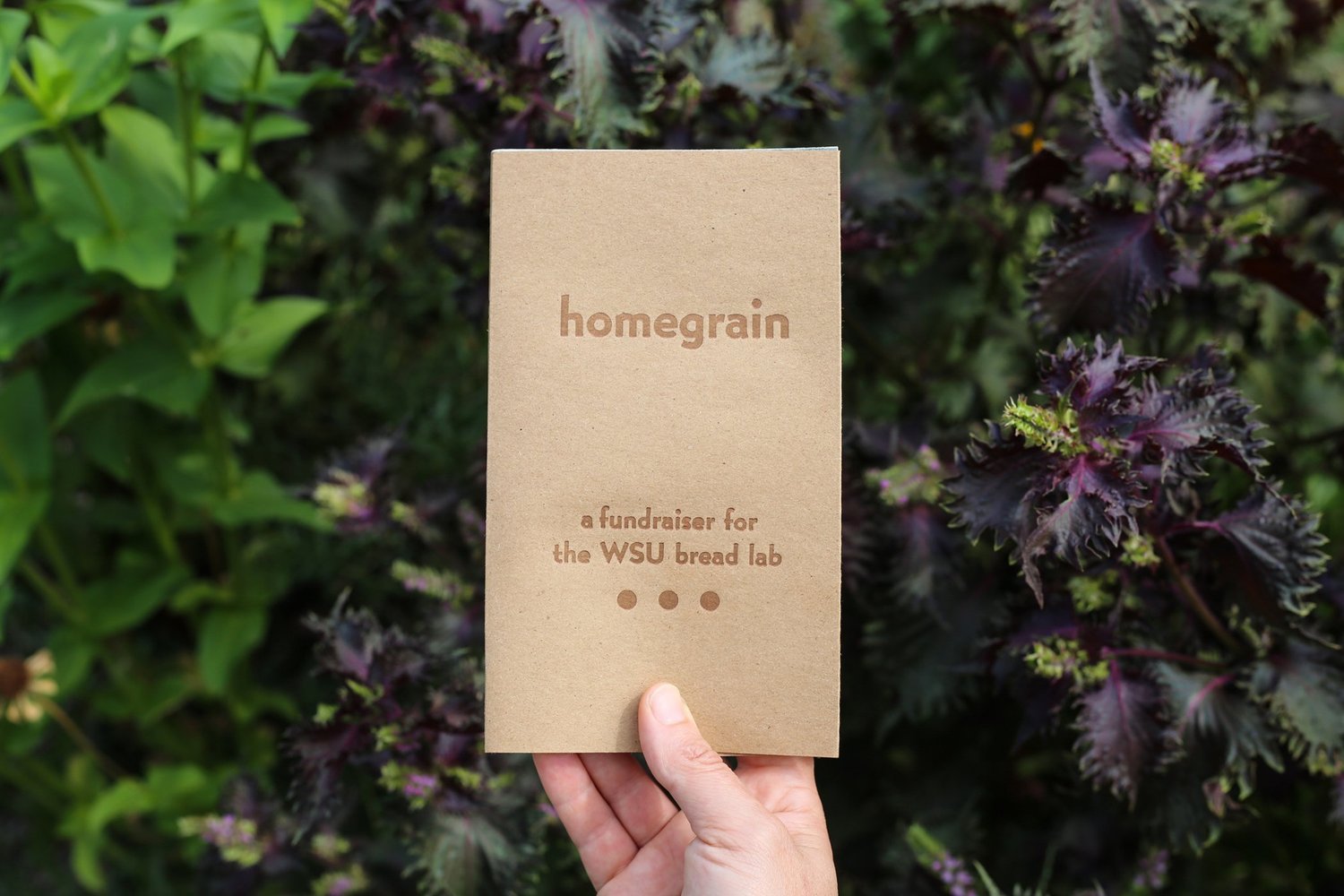
Homegrain, by Alexandra Garcia
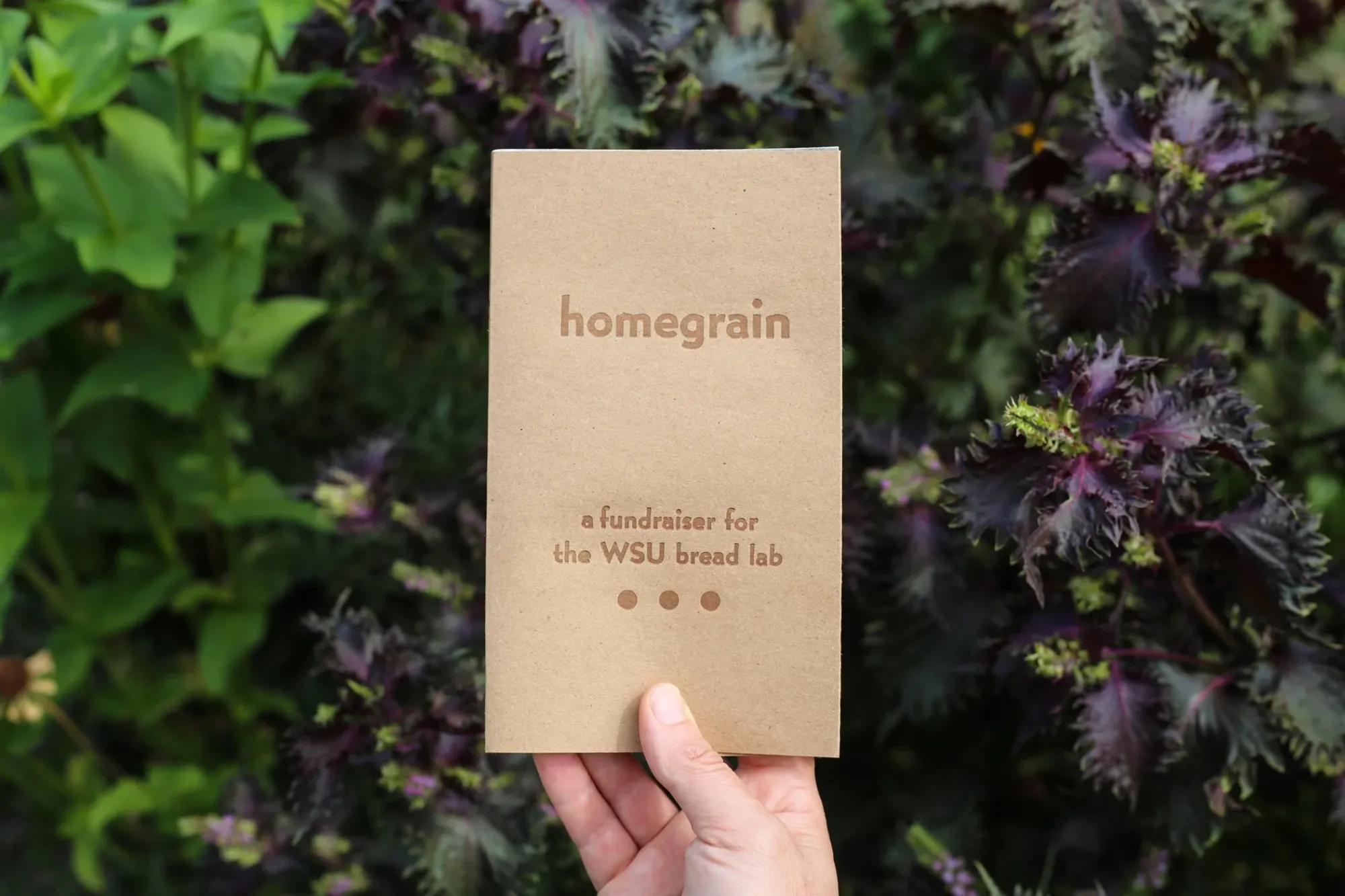
Finally, there's Homegrain, by Alexandra Garcia, a cool little book from Andrew Barton's Two Plum Press. It was created as a fundraising effort for the WSU Bread Lab, which has had its funding cut, thanks to DOGE and the Orange Menace. It's focused on the "grain scene" of Washington State, but is ultimately a book for all of us who love baking with local and heirloom grains:
‘Homegrain’ is a book celebrating the grain scene of Washington State – from seed scientists to growers to millers to bakers and those who grow and mill or mill and bake or bake and make pottery and other delightful combinations. It was put together by a frequent Two Plum Press reader, Alexandra Garcia, to benefit the Washington State University Breadlab.
The Breadlab is a unique and exciting organization—not what you’d expect any large American University to just have. They are innovating, they are reviving, they are helping the local grain economy with every single class, event, and project they embark on. I distinctly remember when visiting a magical bakery in Copenhagen, Denmark and speaking to a French baker there, he knew about the WSU Breadlab – that was his point of reference for the entire region of the Pacific Northwest. In April of 2025 the funding was cut (paused? Whatever this current hellscape of sea change for the good things in this world is calling the tumult) for a good portion of the Breadlab’s work, and Alex immediately sprang into action—morphing this book she’d already been hoping to make into something with a new, more urgent, vividly clear purpose.
The book contains a collection of interviews with bakers, growers, millers, and organizers about the work that they do, punctuated by information about grain varieties and in the case of bakeries, their weekly menus. I see this as being an incredibly handy tool for those in or visiting Washington – a deep dive into the ethos behind these operations and some practical, trip-influencing information to boot. There are also essays (a highlight on rye from a rye scholar and the editor’s visits to some of these operations), some beautiful paintings, some handy recipes, and a couple poems to punctuate the experience at the end.
It's a wonderful book, perfect for all the grainiacs in your life, yourself included. While you are there, check out Andrew's The Long Loaf, another book I love and plan to talk about more here someday.
 ●●●
●●●
Stay tuned for part two of my holiday book guide, which will cover books beyond the world of bread.
—Andrew
wordloaf Newsletter
Join the newsletter to receive the latest updates in your inbox.