Preliminary notes on gluten-free bread baking
and Aran Goyoaga's book "The Art of Gluten-Free Bread"
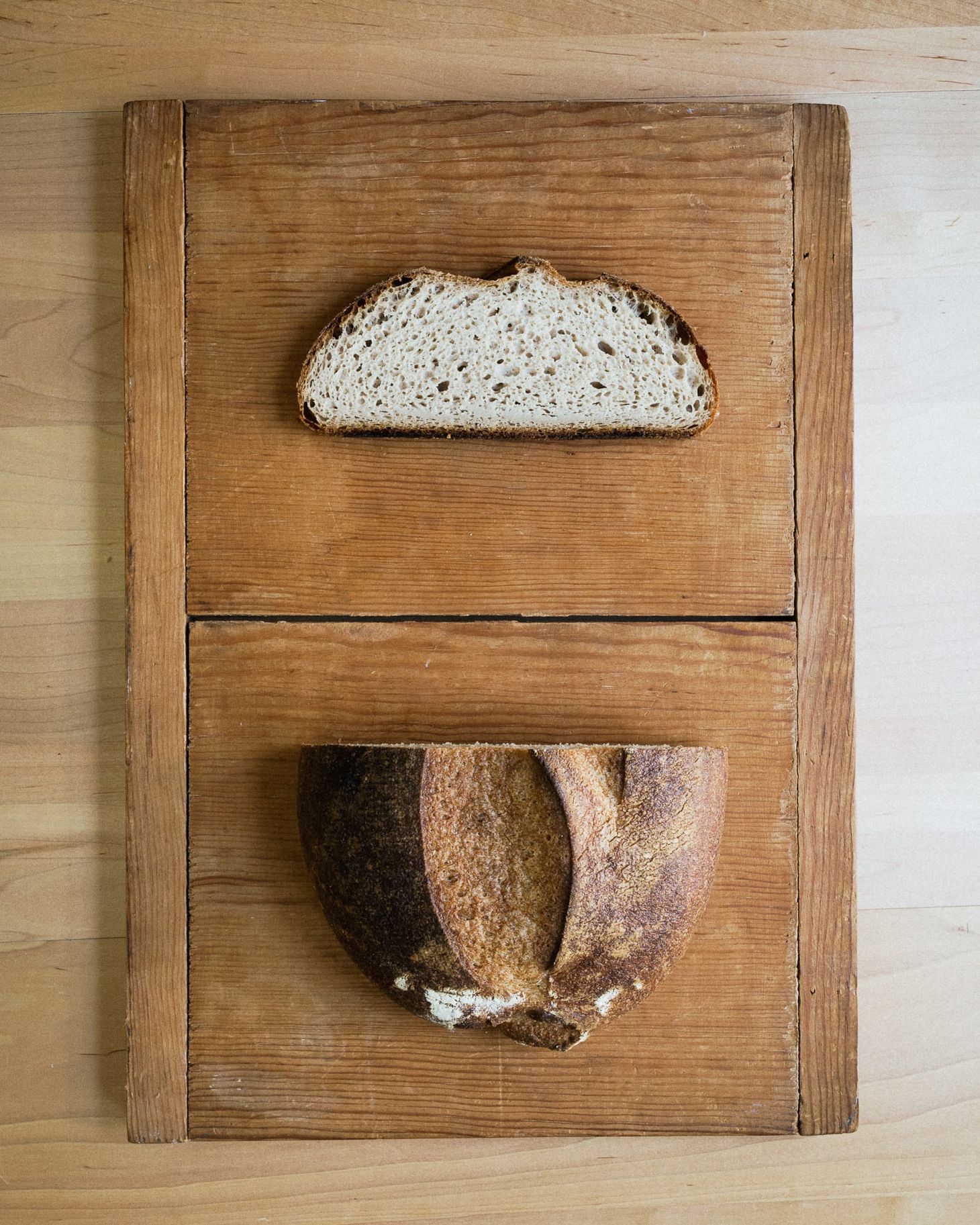
When I first started working on Breaducation, I briefly considered including one or two gluten-free formulas in it, but the more research I did, the more I realized that there would be no way to do justice to the practice, given how much it diverges from a gluten-full one (and given how much I needed to cover regarding the latter in the book). Only a book dedicated to the art of gluten-free bread baking would suffice, and, at least as of September of last year, it now exists: Aran Goyoaga's The Art of Gluten-Free Bread.
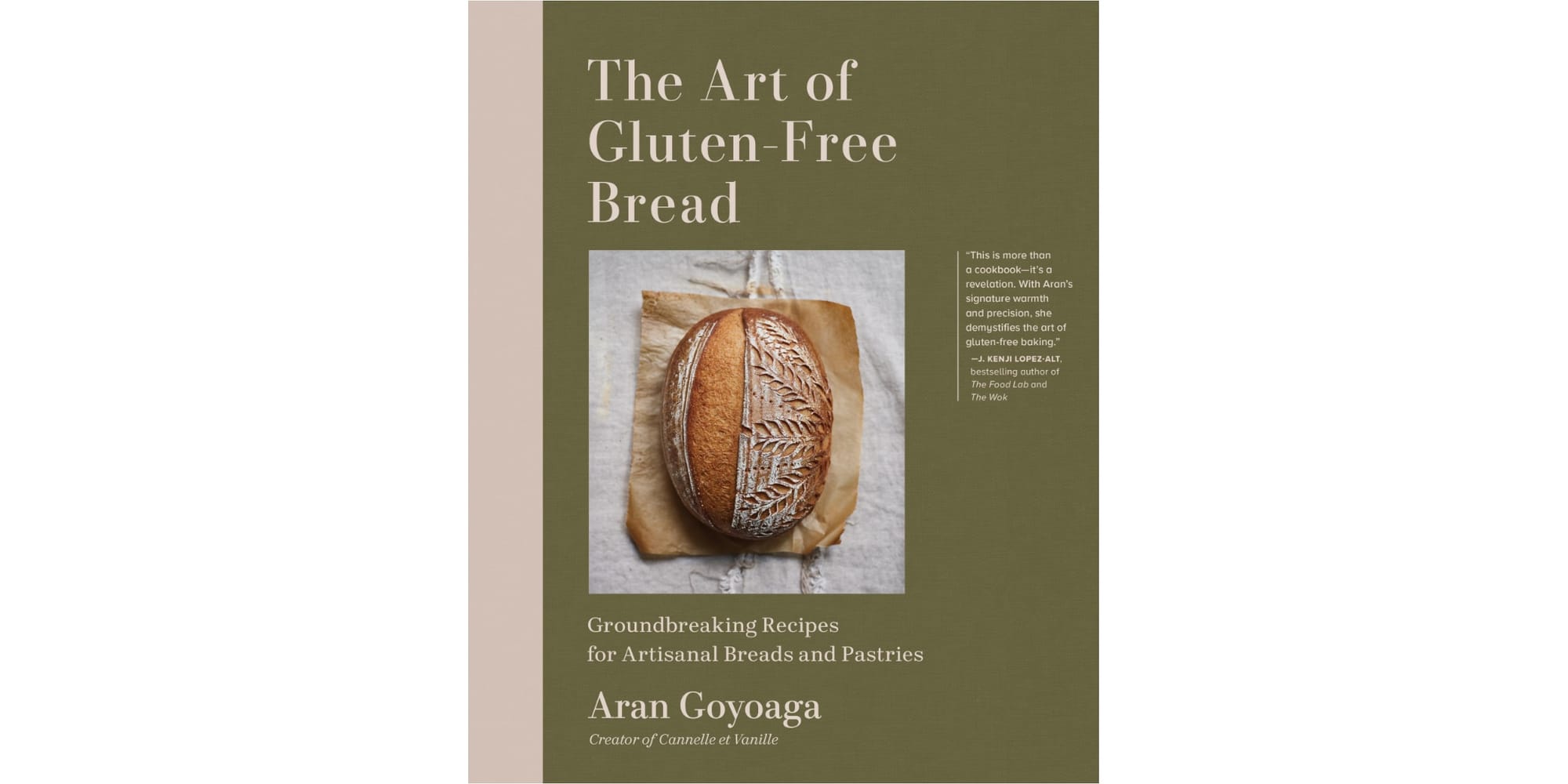
When it came out I was still deep at work on my book, but now I've had time to spend with it, and it's everything one would hope for from Aran: deeply researched and tested, broad in scope, and beautifully presented, with images made by Aran herself.
Aran Goyoaga's The Art of Gluten-Free Bread
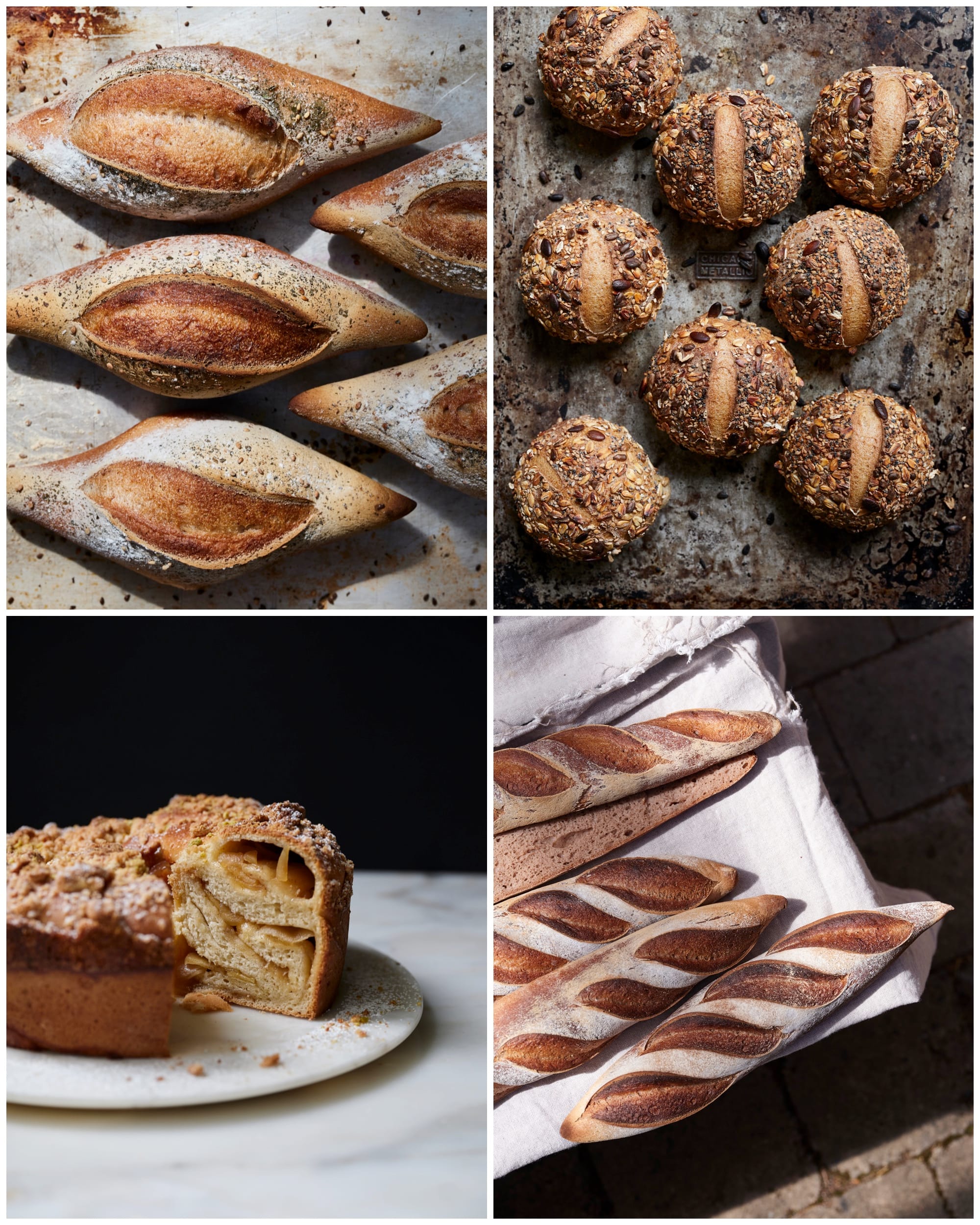
The Art of Gluten-Free Bread covers everything one would hope for in a bread book, and more:
- sourdough and yeasted breads;
- lean, crusty breads and soft, enriched ones;
- hearth breads, pan breads, rolls, and hand breads like pretzels and bagels;
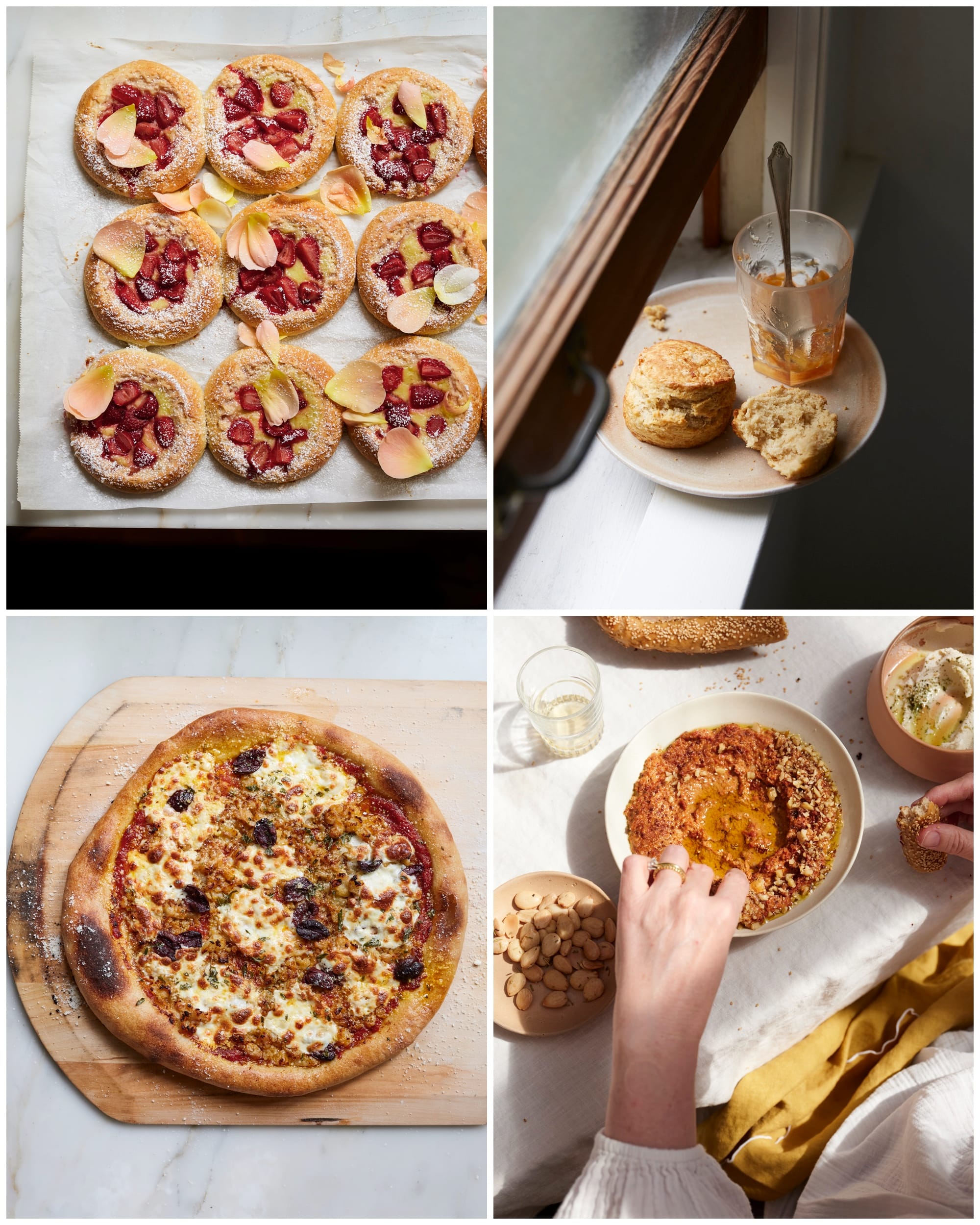
- pastries, including laminated things like croissants, morning buns, and danishes, and non-laminated things like brioche buns and donuts;
- flatbreads of all kinds including pizza;
- and cookies, quick breads, pasta, pies, pancakes, and waffles using up sourdough discard.
There's even a chapter of dishes using breads, like sandwiches, soups, and salads, and things to put on bread, like dips, marmalade, and beans.
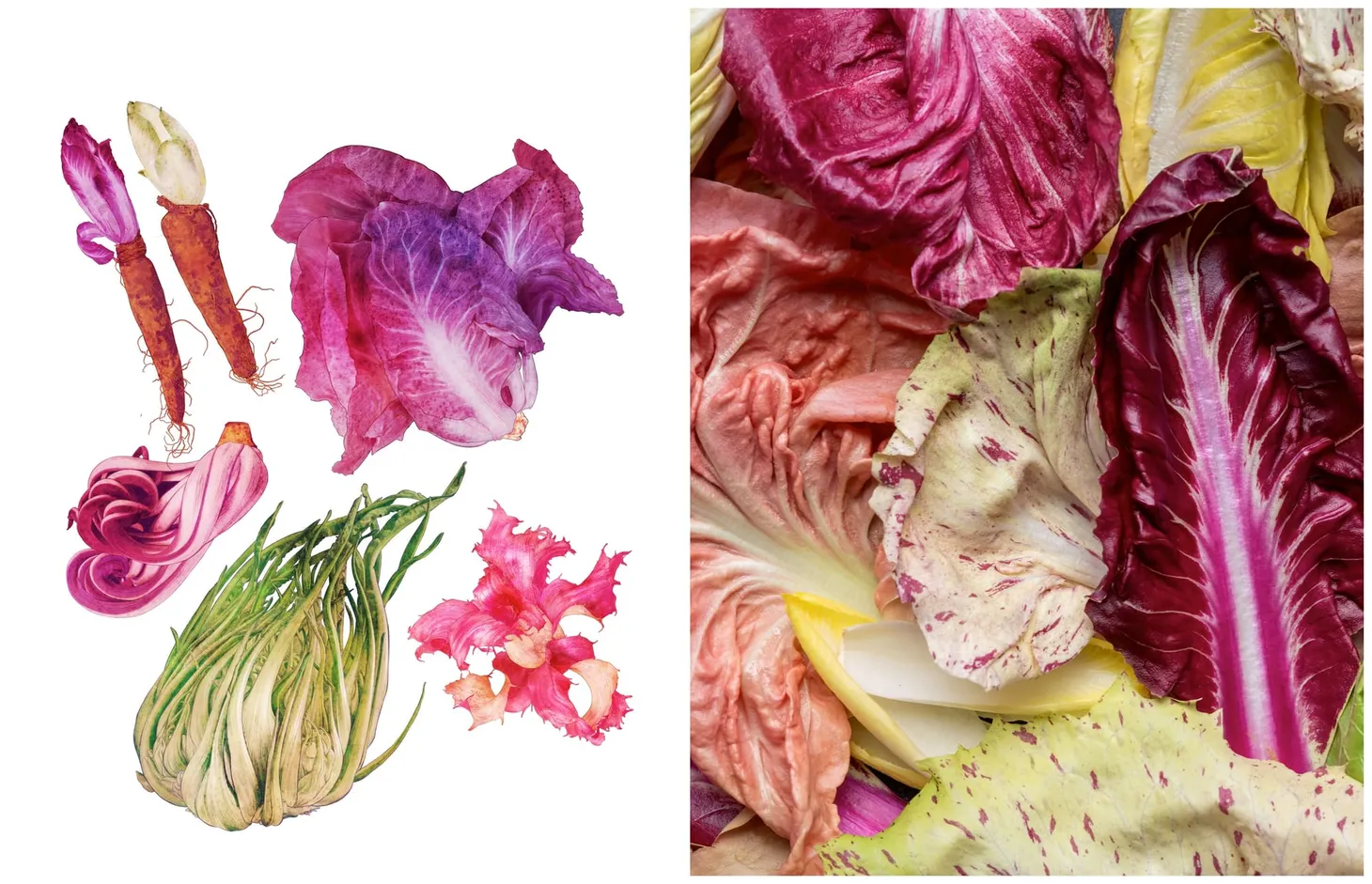
All of these recipes are preceded by more than 50 pages of technical information and advice about working with and sourcing gluten-free flours, binders, and other essential ingredients; creating, maintaining, and working with GF sourdough starters; equipment guides, and anything else you might need to get you started on your gluten-free bread baking journey. And it is filled with Aran's luminous and inviting photography.
The Art of Gluten-Free Bread is everything one would want out of a bread book, especially one that describes a set of practices that only a handful of previous books have covered at all.
My first forays into gluten-free bread baking
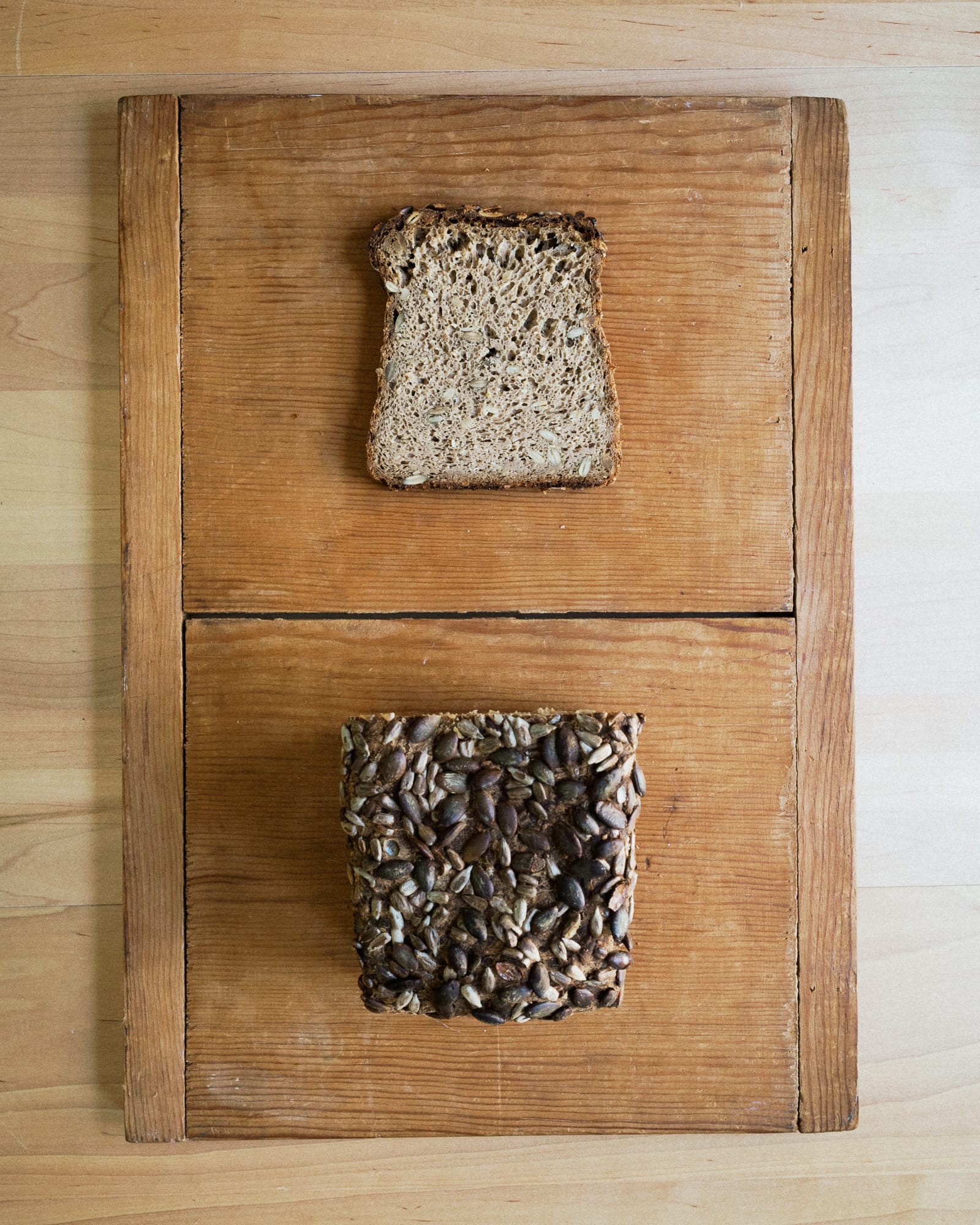
The Art of Gluten-Free Bread is Aran's fourth book on gluten-free baking and cooking (though the first to focus entirely on bread), and she's been a leading expert on life without gluten for a very long time, so I had no doubts that this book would be a reliable guide. But I had to try out some of her recipes myself, just to get a sense of what it entails and what sorts of results one can expect. So last week I made two loaf recipes from the book, the Country White Sourdough Bread, which is her template for a crusty, sourdough artisan hearth bread (and which you can make yourself if you want) and the Nordic-Style Seed Bread, which is equivalent to a sourdough rye pan bread/rugbrød (minus the rye). Both came out pretty great for a first go-around, and both were delicious. Neither was perfect, but any flaws they had were due entirely to lack of experience on my part and not Aran's recipes. I learned a lot in the process, especially about where the practice of baking gluten-free breads overlaps with that of gluten-full ones, and where it diverges.
Structure in gluten-containing breads comes from three main sources—gluten (obviously), pentosans, and starches. Gluten-forming proteins provide volume and structure by allowing fermentation gases to accumulate; it also gives doughs elasticity, so that they are easy to manipulate (i.e., shape). After baking, it's the gluten webs within the bread that give it a chewy texture.
Pentosans are large polymers of 5-carbon sugars (i.e., fibers) present in most grains but are especially abundant in rye flour. Unlike gluten, pentosans do not link together into networks; they give breads volume by binding water and making the dough into a viscous gel, allowing carbon dioxide to form small bubbles within it. This is why whole-rye breads—relatively high in pentosans and low in gluten—have a close, even crumb.
Starches give breads structure after baking; when combined with water in a dough and then heated in the oven, they gel, binding the water and firming the bread up. They also help the crumb hold onto water so that it staves off staling and remains tender. (Pentosans do this too.)
Starch, because it's found in a wide variety of other seeds and plants, is also the only one of these three components that is easily replaced in gluten-free baking. Gluten is obviously verboten, and pentosans, though they exist in a wide variety of foods, are most abundant in cereal grains. (I stumbled upon one paper that discussed the use of purified rye pentosans in gluten-free baking, though.)
But structure is not the only thing a bread baker asks of his flours: they are—especially when whole-grain or at least minimally sifted—an important source of flavor (and color) as well.
Aran and other gluten-free bakers use three main categories of ingredients to recreate the structure, appearance, and flavor of gluten-containing breads: whole-grain flours, pure starches, and binders. Here's how she describes each (emphases mine):
Whole-grain flours provide protein, elasticity, and flavor. The protein content will never compare to that of gluten, of course, but there is still protein in whole-grain flours. There is also a variance in how elastic the different whole-grain flours can be. You can subdivide them into two categories: flours that add elasticity and chew to your bread, such as buckwheat, teff, and oat, and those flours that dry out and set your crumb, such as brown rice. Sorghum, millet, and chestnut are somewhere in the middle. (p.19)
Starchy flours have a low protein content and very fine particles that can improve the dough, creating a fluffy, tender, and airy crumb. (p. 21)
Gluten-free bread would simply not rise without binders. Along with the starches, the binders listed here provide elasticity, which helps dough expand when the gases that are released during fermentation are trapped. (p. 23)
Aran calls on two main ingredients for binders: psyllium husk flour and xanthan gum. Psyllium husk flour, made from the mucilaginous husks of an Indian seed plant, is used to give doughs a bouncy, firm texture, so that they are easy to form into shapes and can trap gases for volume (being rich in fiber, they act much like pentosans do in wheat and rye). But the elasticity provided by psyllium is limited; doughs containing it are bouncy but not particularly stretchy. So when extensive manipulation is involved—rolling or stretching into sheets and/or lamination—then the addition of xanthan gum—an ingredient made via the fermentation of sugars by bacteria—is necessary.
One way that successful gluten-free bread baking differs from wheat-based bread baking is the multitude of flours and ingredients needed. Wheat flour can do it all: provide volume, elasticity, and flavor, and bind water. Meanwhile, though it is rare that any one recipe in The Art of Gluten-Free Bread calls for many different flours, starches, and binders, most require using at least one of each category for success.
What is perhaps most impressive about the book is that each recipe in it clearly required a vast amount of testing to dial in the precise combination and ratio of ingredients needed to yield a nice bread. (Not to mention that that ingredients often differ from brand to brand, which is yet one more variable that Aran had to consider during testing.)
I'm glad I tested two recipes from the book, because it gave me a broader sense of what to expect from a gluten-free bread, and where the current state of the art can best approximate those made from flours milled from wheat and its relatives. The Country White Sourdough Bread was excellent, but it wasn't really crusty, chewy, and open the way that a well-made wheat country sourdough can be. (Even Aran describes it as "white, tender, and soft" with a crumb that "is moist and has small air pockets," and a "crust [that] is soft and golden.") But the Nordic seed bread looked, tasted, and ate just like a rugbrød made with rye flour. (It was also made more or less using an identical mixing and proofing strategy.)
It felt like a bridge formula between the worlds of gluten-free and gluten-full bread baking, a place where bakers of both stripes can learn something from one another. Relative to wheat-based formulas, whole-rye breads are already "compromised" in terms of structure, requiring different formulations and techniques to yield an open-crumbed, moist, and tender bread. Swap out some (or all) of that rye flour for a non-cereal grain like buckwheat, rice, or millet, and the structure of the loaf will be further compromised. Unless, that is, you reach for some of the same tools—psyllium and xanthan gum, or blends of whole-grain flours and starches—that Aran uses to restore it. This is why I think The Art of Gluten-Free Bread is a book that everyone might want to consider, especially if they are interested in working with a diversity of grains, gluten-forming or otherwise.
Recipe excerpt: Gluten-Free Country White Sourdough Bread
Aran has generously shared a recipe for her Country White Sourdough Bread from the book (along with a few flavor and color variations). I hope you'll give it a try yourself, or at least read it to get a much better sense of what making a loaf like this entails. I've included links to Aran's own guide to sourcing flours and other ingredients, which is essential for getting the best results. (That's also a link to her excellent newsletter, which even those of us who have no issues with gluten will find worth subscribing to.)
 Andrew Janjigian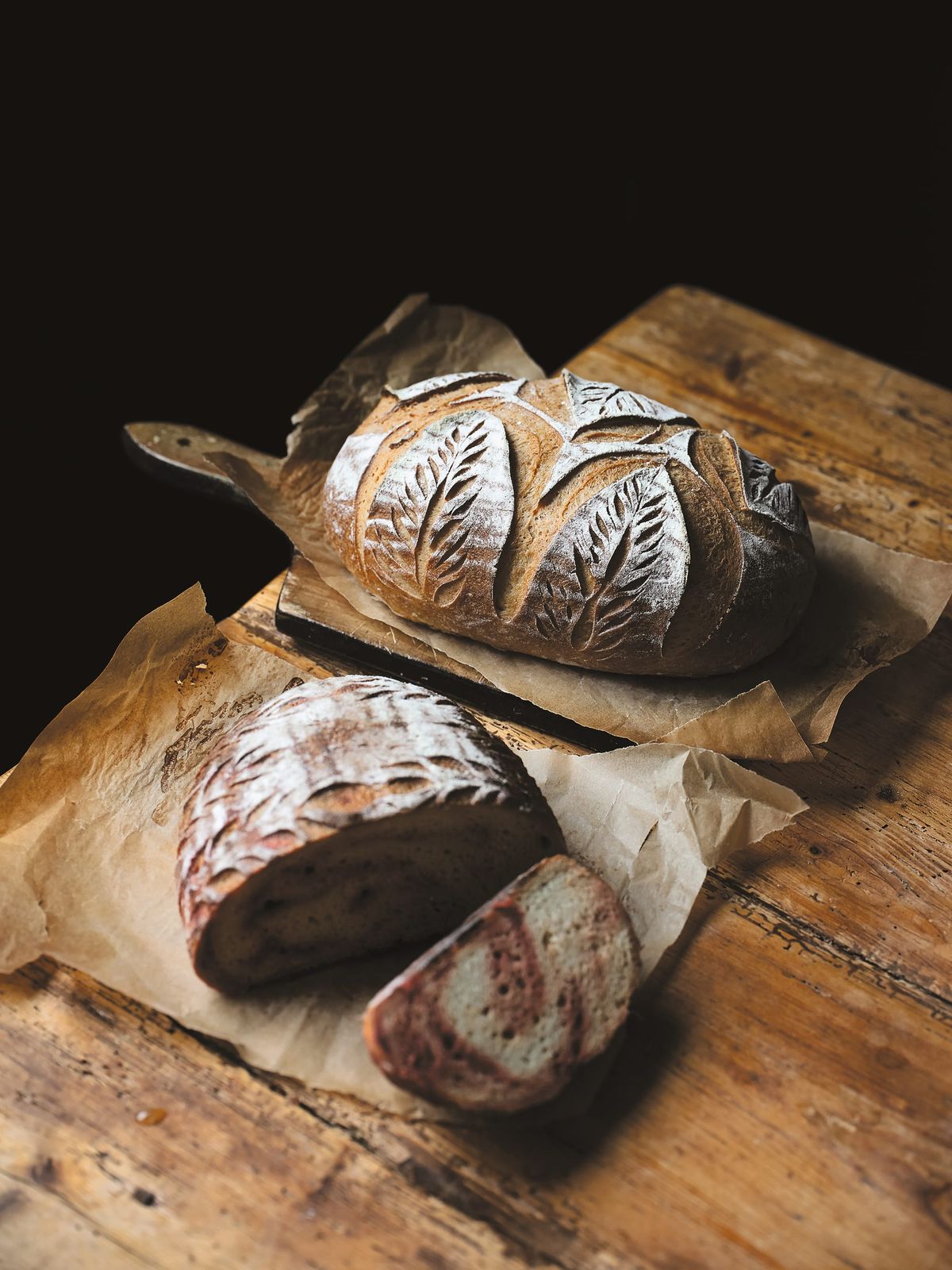
Giveaway for Wordloaf paid subscribers: Two Signed Copies of The Art of Gluten-Free Bread
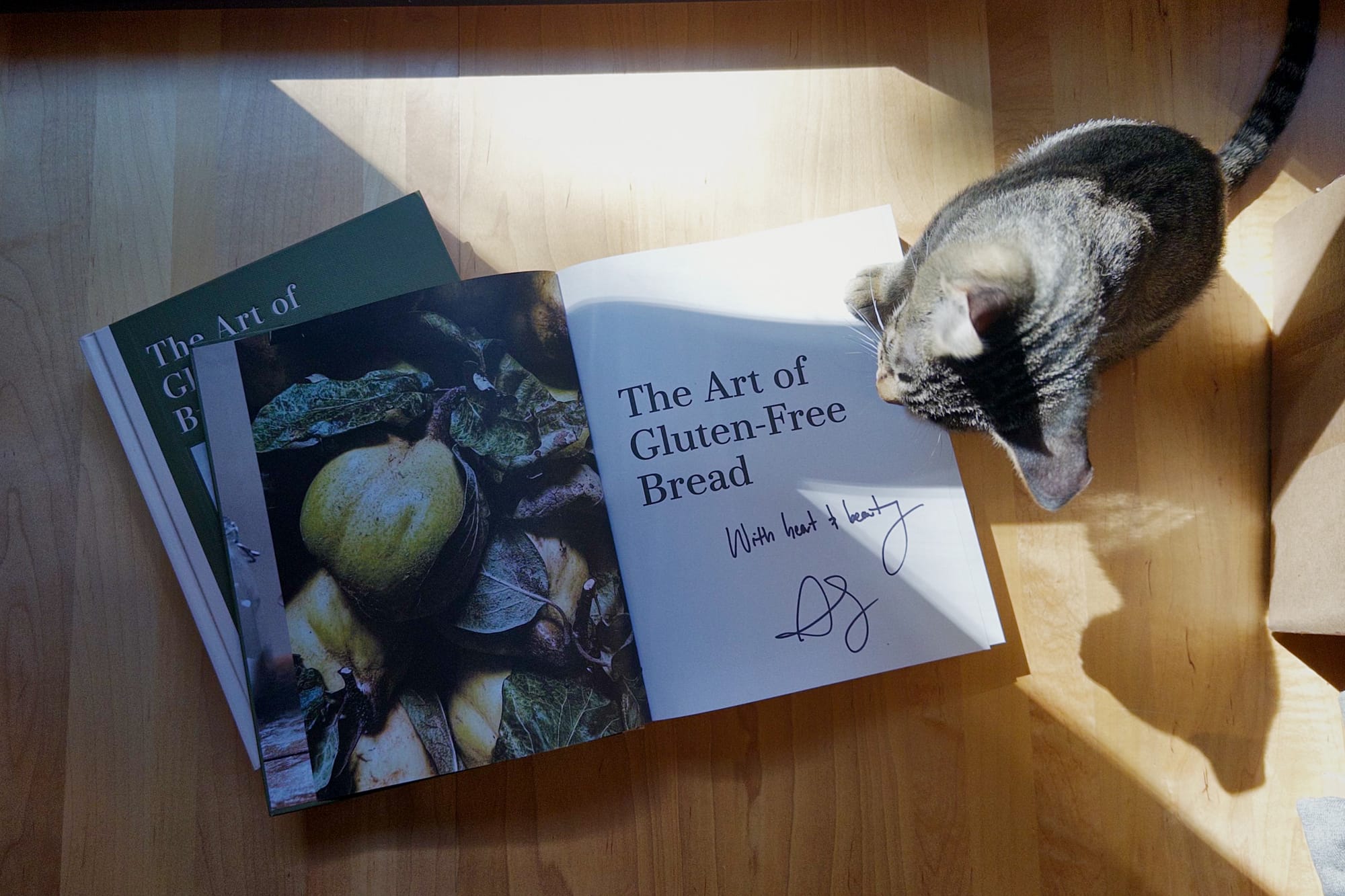
It's been awhile since I've done a giveaway here, I know (many more are coming, I promise). Today I have not one but two signed copies of Aran's book to give away to a couple of lucky Wordloaf paid subscribers. If you want in on the drawing, leave a comment below and I'll pick the winners at random a week from today (6/24/26). I normally make these contests available to U.S. readers only, but if you live elsewhere and are willing to cover the cost of shipping, feel free to add your name to the hat too.
—Andrew
This content is for Paid Members
Unlock full access to wordloaf and see the entire library of members-only content.
SubscribeAlready have an account? Log in