Friday Bread Basket 6/26/26
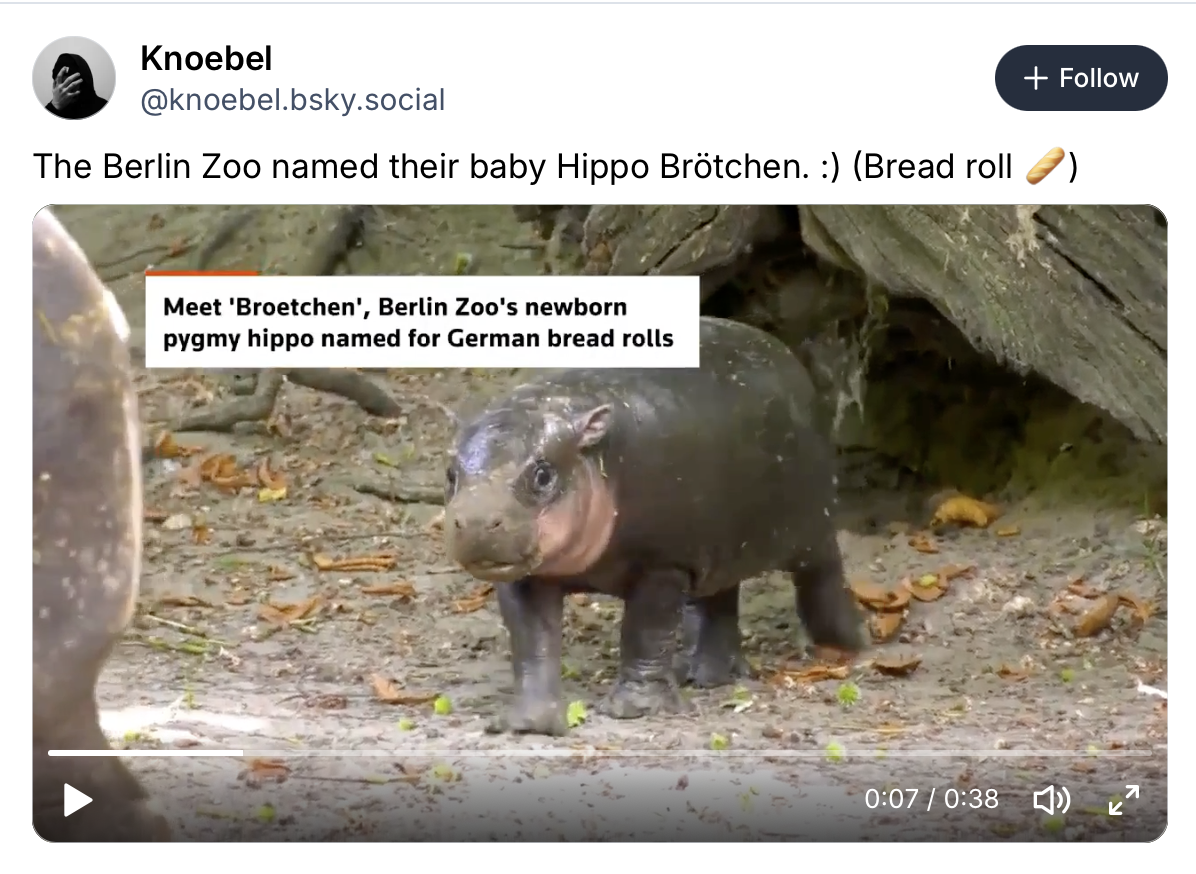
Meet 'Broetchen'
Table of Contents
Hello from the Wordloaf Friday Bread Basket, a weekly roundup of links and items relating to bread, baking, and grain.
Parasitoids on bagged pastries
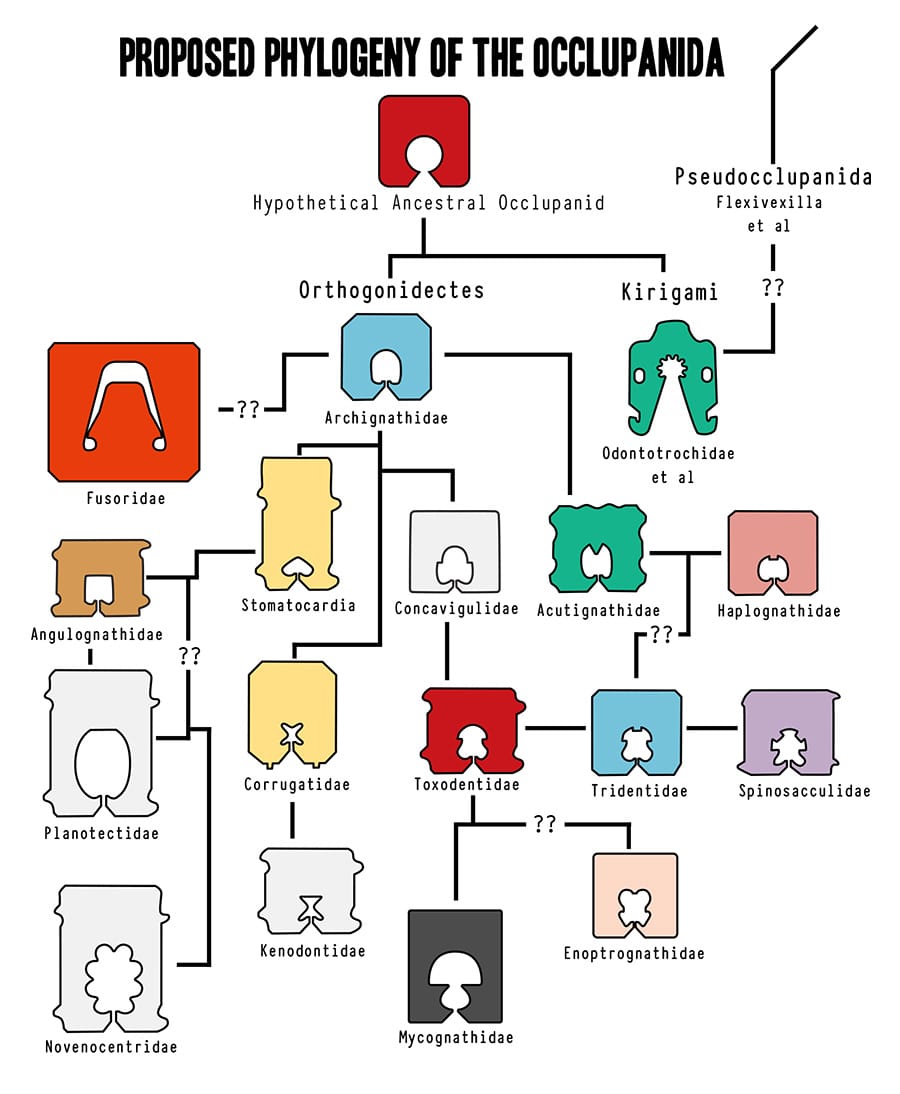
Wordloaf reader Hugh M. sent me a link to the Holotypic Occlupanid Research Group (HORG), a website dedicated to the "research in the classification of occlupanids," a common form of life you likely have in your kitchen right now:
Occlupanids are generally found as parasitoids on bagged pastries in supermarkets, hardware stores, and other large commercial establishments. Their fascinating and complex life cycle is unfortunately severely under-researched. What is known is that they take nourishment from the plastic sacs that surround the bagged product, not the product itself, as was previously thought. Notable exceptions to this habit are those living off rubber bands and on analog watch hands.
In most species, they often situate themselves toward the center of the plastic bag, holding in the contents. This leads to speculation that the relationship may be more symbiotic than purely parasitic.
Their stunning diversity and mysterious habits have entranced many a respectable scientist into studying, collecting, and cataloging specimens late into the night.
This site contains several years of research in the classification of occlupanids. For those of you who do not consume sliced bread, occlupanids do not form an important part of your life. For the rest of the world, These small objects are everywhere, dotting supermarket aisles and sidewalks with an impressive array of form and color.
This is Mold profiled HORG awhile back:
The word occlupanid is drawn from the Latin verb occludere, which means to close, and pan, or panis, which is the Latin root for bread. Since the institution’s founding, HORG has documented over 270 of the specimens. HORG’s classification system categorizes occlupanids according to the shape of their oral groove. There is the expansive Archignathidae family, whose simple, spade-like groove makes it one of the most commonly found in the wilds of supermarkets across the world. Or, if you’re looking for something more funky, there is the distinctive Novenocentridae family, whose name means “nine points”, and is used to describe the nine “sharp dental processes” or petals that form the specimen’s large, tree-reminiscent oral groove.
 occlupanid data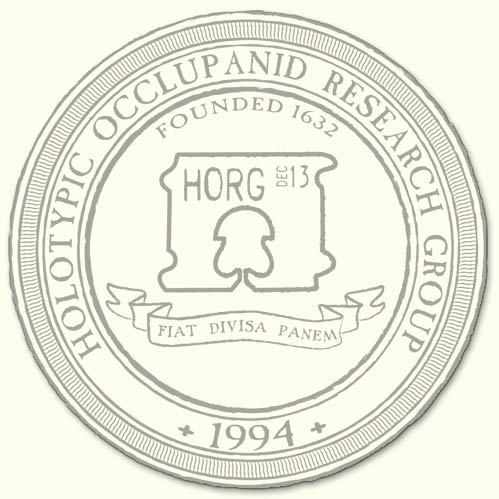
 Isabel Ling
To ensure there would always be bread in the house
My friend Nicola Miller sent me this excerpt from the book The Pattern Under the Plough, by George Ewart Evans, a "study of the vanishing customs, working habits and rich language of the farming communities of East Anglia," knowing I would appreciate it:
...even today a ploughman will pick up a fossil or a holed flint and keep it in his pocket for luck, or take it home and place it on the mantelpiece of the living room. But not long ago many of these flints and fossils were kept for more specific reasons.
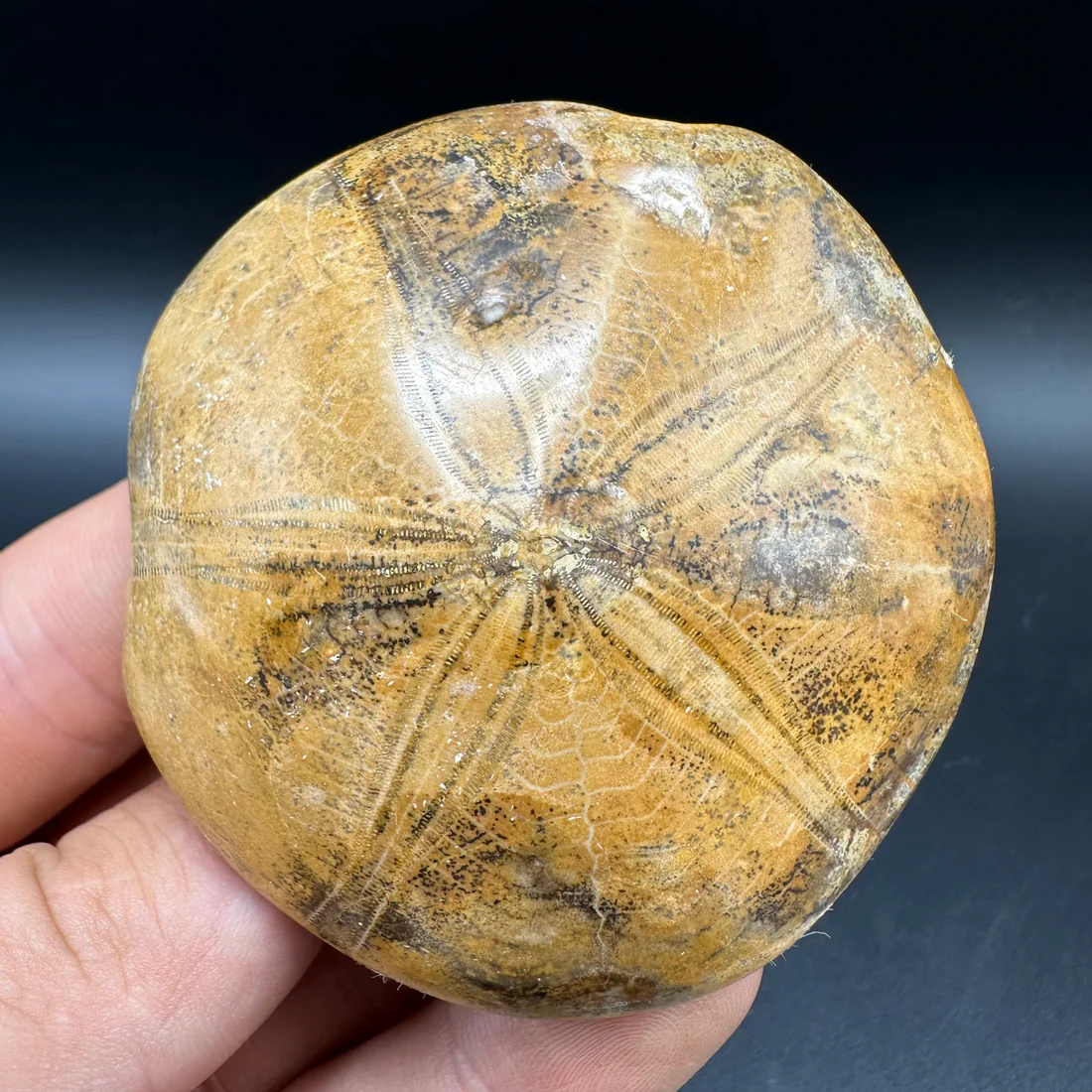
One of these flints was the sea urchin fossil or fairy loaf as it was called in Suffolk. It was polished and placed on mantelpieces both as an ornament and a charm that was supposed to ensure there would always be bread in the house—a piece of imitative magic that grew out of the fossil's resemblance to an old cottage loaf. It was this resemblance, also, that caused the fossil to be used, especially in north-east Suffolk, where it was often picked up on the sandy heathlands, as a charm placed alongside the old brick oven when the weekly batch of bread was baked. It was believed to be an inducement to the bread to rise and imitate the fossil's beautifully domed shape. The weekly bake of bread was critical under the old economy; and if, after every precaution, the bread 'went dumpy'—as occasionally happened—the failure, like many other inexplicable accidents, was put down to witchcraft.
The quotation sent me down a rabbit-hole on sea urchin fossils, which are also known as "sea biscuits," and are easy to come by on eBay, should your bread not be rising as it should.
Pod Save Bread
When I was in California last month, I taught at the West Coast Bread Fest alongside Allison White, of Morgan, California's Matriarch Bread, and Josh Fairbanks, of Portland, Oregon's Fairbanks Bread and Honey Bagel PDX, both of whom (I learned) are wonderful bakers and teachers of baking.
Allison has recently launched a bread baking podcast called Saving Bread, and her first full-length episode is an interview with Josh (who I plan to chat with here someday soon), a moment of which is excerpted in the video above. The episode is great, and I'm looking forward to future ones from Allison.
Have a peaceful, restful weekend. See you in a few weeks.
—Andrew
wordloaf Newsletter
Join the newsletter to receive the latest updates in your inbox.