Friday Bread Basket 4/10/26
Never bleached


Table of Contents
Hello from the Wordloaf Friday Bread Basket, a weekly roundup of links and items relating to bread, baking, and grain. If you are reading this, we must have avoided armageddon, at least temporarily.
A bookshop for Asser and a bakery for Brant
Re: avoiding armageddon.
To be clear, when I say "we" avoided it, I only meant those of us safely ensconced some 6000 miles from the ongoing carnage in the Middle East right now, particularly southern Lebanon, which is being pummeled indiscriminately by Israel despite the "cease-fire." All of which makes the news that Brant Stewart—of Beirut's Mavia Bakery—is involved in starting a new bakery and bookshop in Damascus, Syria all the more important and poignant. Syria is finally peaceful enough now to sustain a business like that, while his home Beirut is on fire again:
On December 8th, 2024, the seemingly impossible happened when the totalitarian regime of Bashar Al-Assad crumbled and Syria was, for the first time in decades, free.
We —Asser and Brant—saw each other in Damascus the next month. It was Asser’s first time back home since he was forced to flee eight years earlier. Brant had never been, but had spent the past decade working with Syrians in Lebanon, and falling in love with the country’s heritage from afar.
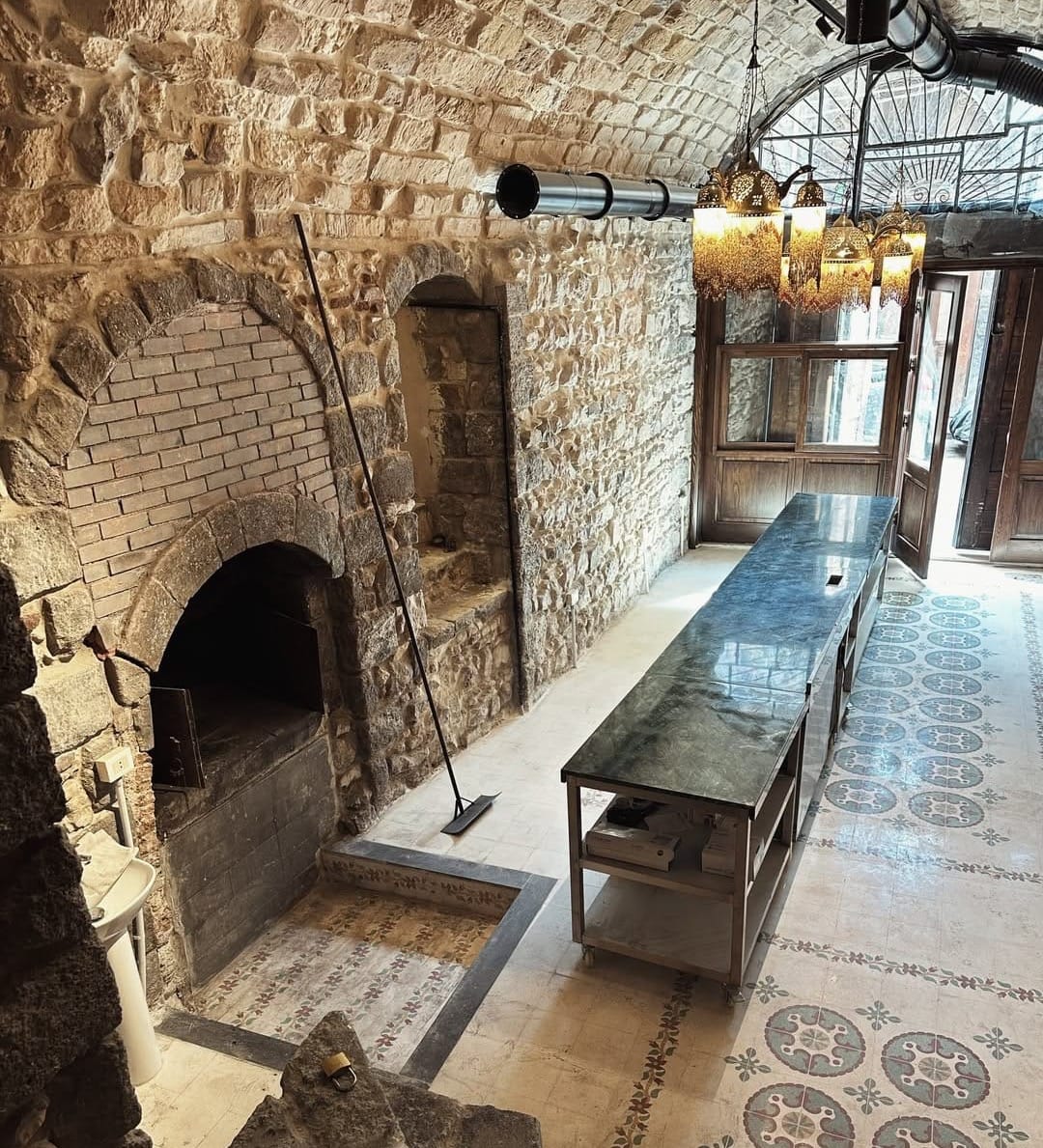
As we wondered what we could do for the country during this precarious transitional period, we joked about combining our passions in one place: a bookshop for Asser and a bakery for Brant. Suddenly, we heard about a place available for rent on the ancient Straight Street and, when we visited it, we realised that it had been a bakery in the past.
We committed to creating Al-Manhal: a bookshop and bakery that will focus on community building, social cohesion, heritage preservation, education and sustainability. The books will be carefully curated, procured for free, and sold at an affordable rate. The bakery will utilize the existing wood oven to highlight Syria’s rich biodiversity and food traditions, and honor Syria’s farmers and producers, offering a mix of both traditional and nontraditional food that will help bring as diverse a crowd as possible into the space. We will also hold discussions, presentations, book signings, and more events that bring people together. We want to help young Syrians on their journeys into active civil participation, creating a hub for civil society members who share our interest in helping shape an inclusive and cohesive shared future for all Syrians. We also plan to employ a diverse workforce that will mirror Syria’s own diversity.
Brant and Asser are fundraising to get Al-Manhal up and running right now. Perhaps a donation will make you feel a little more hopeful about the future, as it did for me.
 Al-Manhal Damascus
Bugging out
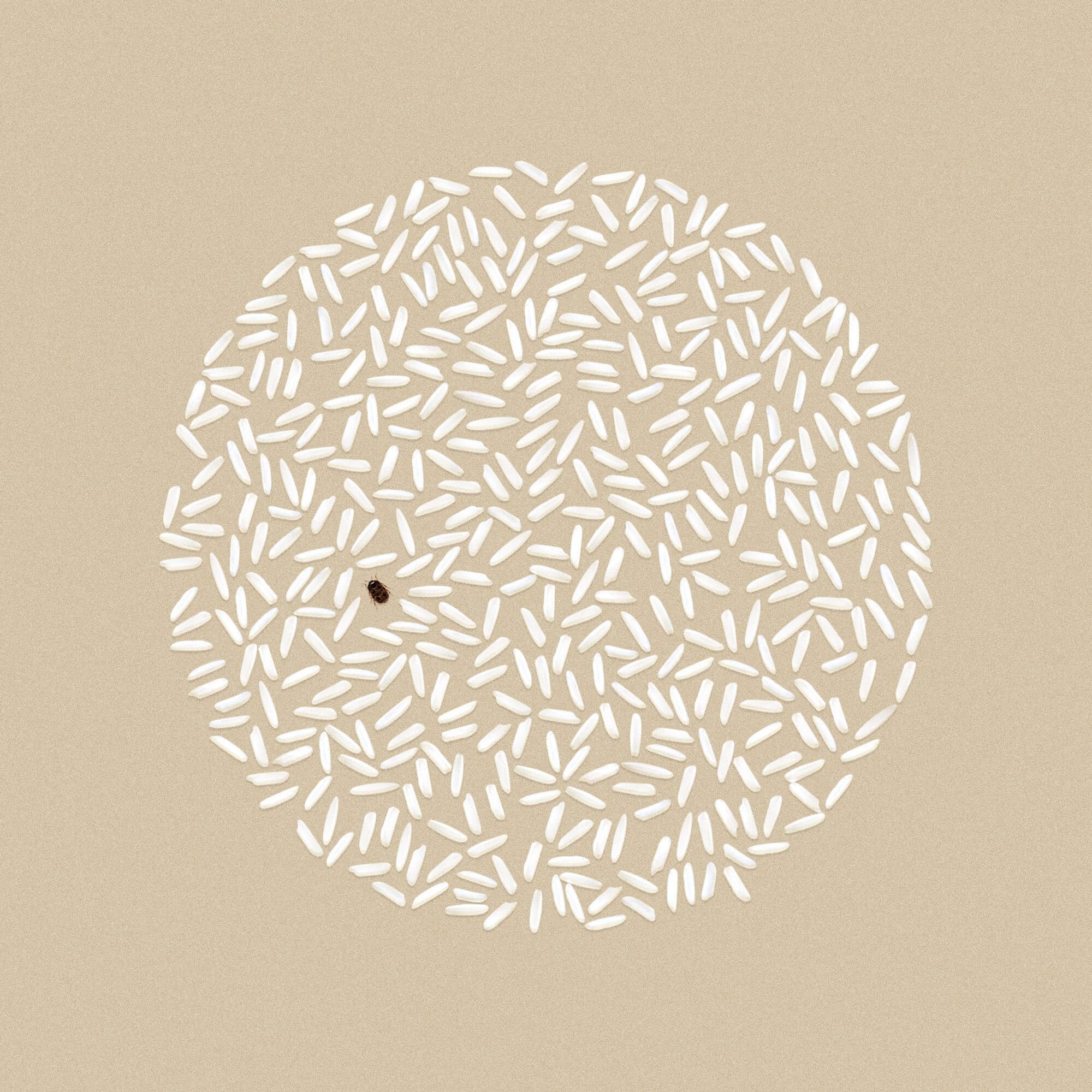
The online magazine Offrange (formerly known as Ambrook Research) publishes really interesting research and stories on agriculture in the U.S., including items on grain, like this recent story about the entomologists who are hard at work keeping buggy pests out of our grain supply:
The greater grain borer, meanwhile, poses its own significant threat. An American pest that has already successfully invaded and ravaged the African maize industry (possibly through contaminated food aid), a preference for toasty climates has managed to keep its range south of the border. The steady march of climate change, however, risks expanding their range perilously north.
“It’s a tiny little wood boring insect. Very, very tiny,” Quellhorst said. “But at some point it switched from trees, to corn and cassava. So imagine those little jaws chewing through softer material; they turn it to powder in 24 hours. I mean, it’s flour.”
“It can chew through metal. It can chew through plastic. I have pictures of it chewing through a plastic petri dish so it can escape,” Quellhorst added. “It can chew through anything.”
 Jonathan Feakins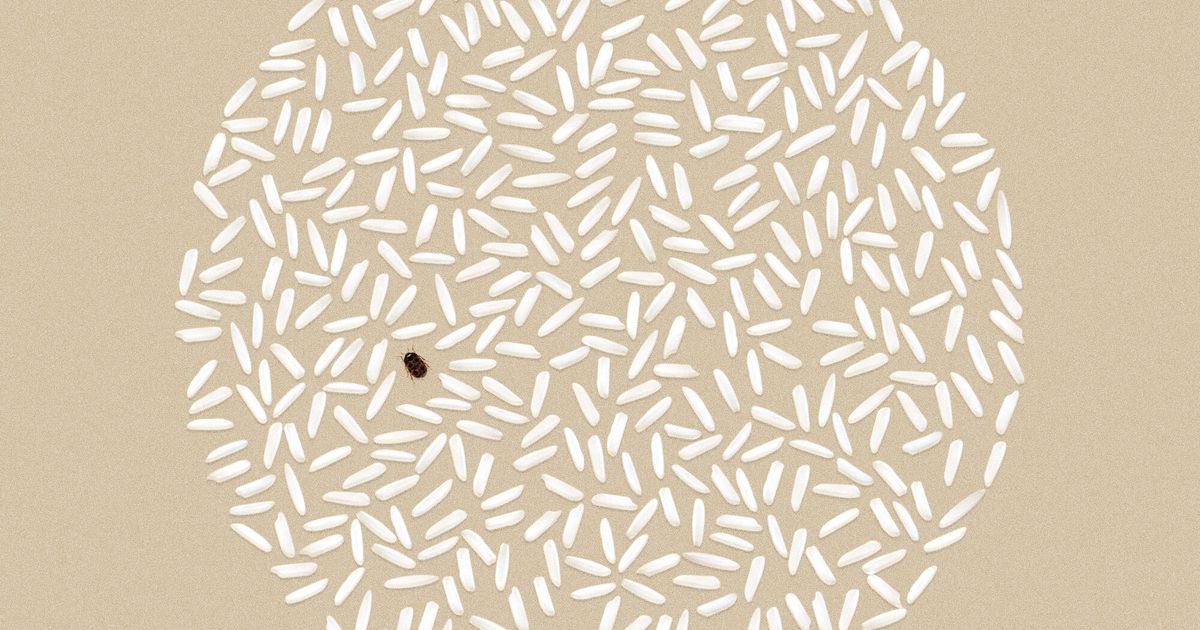
The rye-bread boundary

Like many others, lately I've been reading On the Calculation of Volume, Solvej Balle's novels about a woman stuck in time—sort of a somber, Nordic take on Groundhog Day. I won't try to describe the books—you should just read them—but I wanted to share, without further context, this passage from near the end of book II, on one theory behind the fall of the Roman Empire:
An archaeobotanist writes of the grain trade and shifts in climate, of newly discovered ovens and traces of pollen and now, suddenly, it is rye that has halted the Romans advance. I hear of farming methods and growing conditions and the answer is clear: the Romans hit the rye-bread boundary. The northern terrain is too cold, the cultivation of wheat too difficult, the yield uncertain, only rye will grow there.
I sit in my armchair and read that the Romans came to a halt of their own accord. They could have expanded further, it would not have taken a great deal of Roman strength. They could have reformed the legions and conquered the whole of Germania, but they didn't, because there was nothing to conquer. No wheat—no Romans. Arminius might as well have saved his strength, the Romans would have stopped anyway, because it wasn't the Varian disaster, it wasn't the opportunity to levy taxes and impose duties and it wasn't the marauding barbarians or inner decay that brought the Romans to a halt. It was the smell of the bakery, because rye was a very poor food useful only to stave off starvation, according to Pliny the Elder. Even when mixed with spelt to mitigate its bitter taste it is most unpleasant to the stomach, he declares, and the physician Galen says of the black bread made from rye that it is malodorous and bad for the health.
Antoninus Pius has stopped and Annona stands there with her modius, but her container is empty because she has traveled far too far north. I get up from my chair, still with no explanation. I mean, did the Romans really come to a halt because rye gave Pliny the Elder a stomachache?
 New Directions Publishing Corporation
Have a peaceful, restful weekend. See you next week.
—Andrew

wordloaf Newsletter
Join the newsletter to receive the latest updates in your inbox.