Friday Bread Basket 5/29/26
FREE BAKERY

Table of Contents
Hello from the Wordloaf Friday Bread Basket, a weekly roundup of links and items relating to bread, baking, and grain.
Roti can I
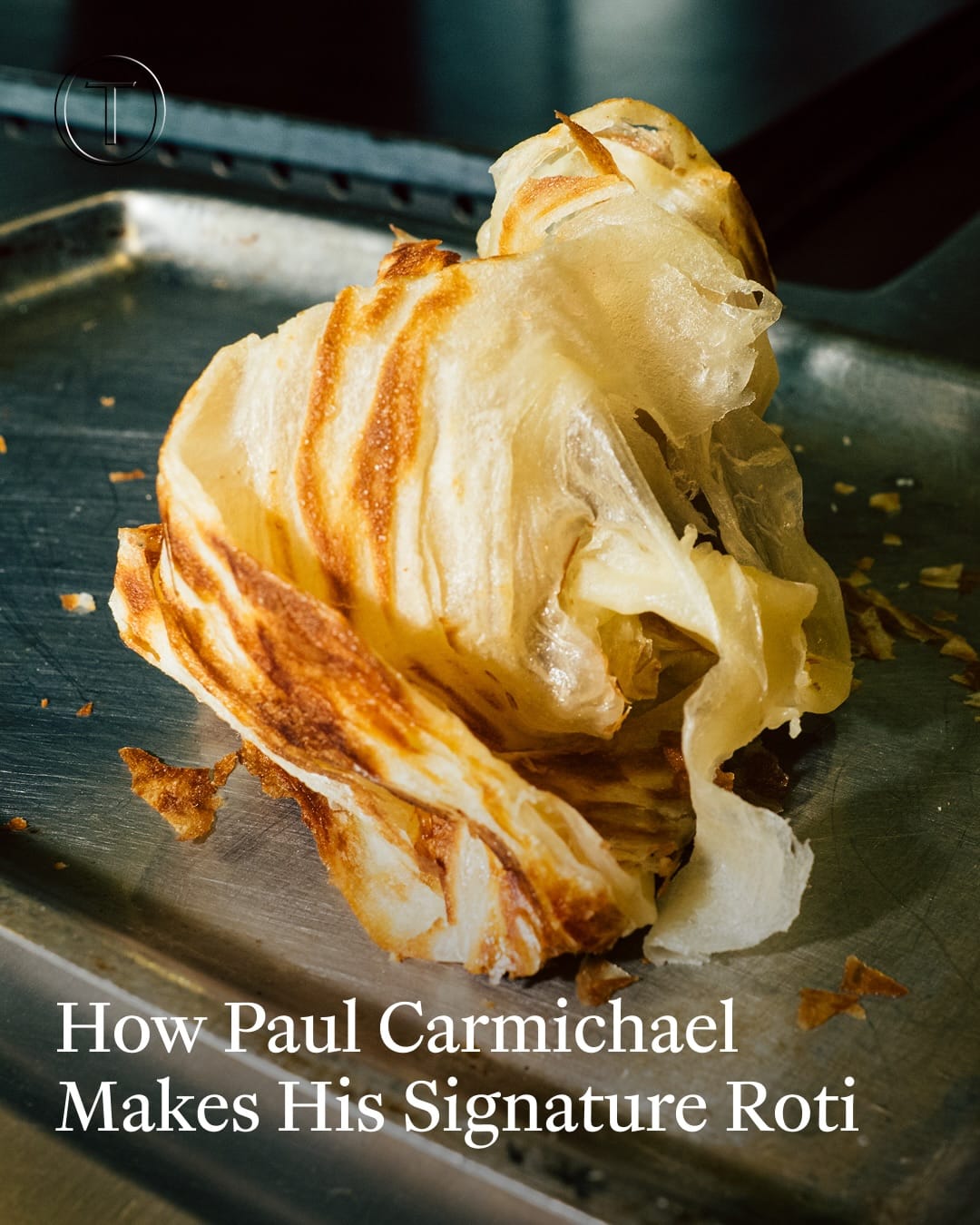
This profile of Jamaican chef Paul Carmichael and his NYC restaurant Kabawa (part of the Lucky Peach empire) by Jazmine Hughes for Totei is excellent, and I really want to eat there now. But it's especially excellent because it contains a visual and very detailed guide to how he makes his layered roti, an (unleavened) bread that has been on my mind to tackle these days, especially after having enjoyed an excellent one at Burma Love in San Francisco a few weeks ago (in Burma the bread is called 'platha' but it's the same deal):
The first taste in your mouth at Kabawa is a flaky, buttery roti, the West Indian flatbread. The dish traveled to the Caribbean in the mid-19th century: British-ruled India, intending to replace the labor from recently emancipated slaves, sent over one million people to the region to work as indentured servants. “It’s become a part of our food—you have roti, no one’s like, ‘What’s that?’” Carmichael said. “It’s in Caribbean culture as far as food is concerned.”
Carmichael has been tweaking his roti for a decade. At first, he doubted such a simple dish could need so much tinkering: “I was like, ‘Oh yeah, I got this, it’s roti, I know what I’m doing,’ but no, that was garbage.” Roti is typically served as a flatbread, but Carmichael’s goal was something flaky, buttery, crispy, almost croissant-like. “I made it a bunch of times, but that wasn’t happening. It was a matter of technique,” he said. He experimented with dough recipes, layer thickness, and different hydrations. “The temperature is incredibly important, how it’s laminated is important, it being frozen is important,” he said. “But all that emerged over time.” The long-toiled-over result sprang from a desire to make the dish unique, “which is why it was difficult, because you’re taking this thing that has existed for probably over a thousand years, and you’re trying to make it yours.”
 Written by Jazmine HughesPhotographed by Jutharat Pinyodoonyachet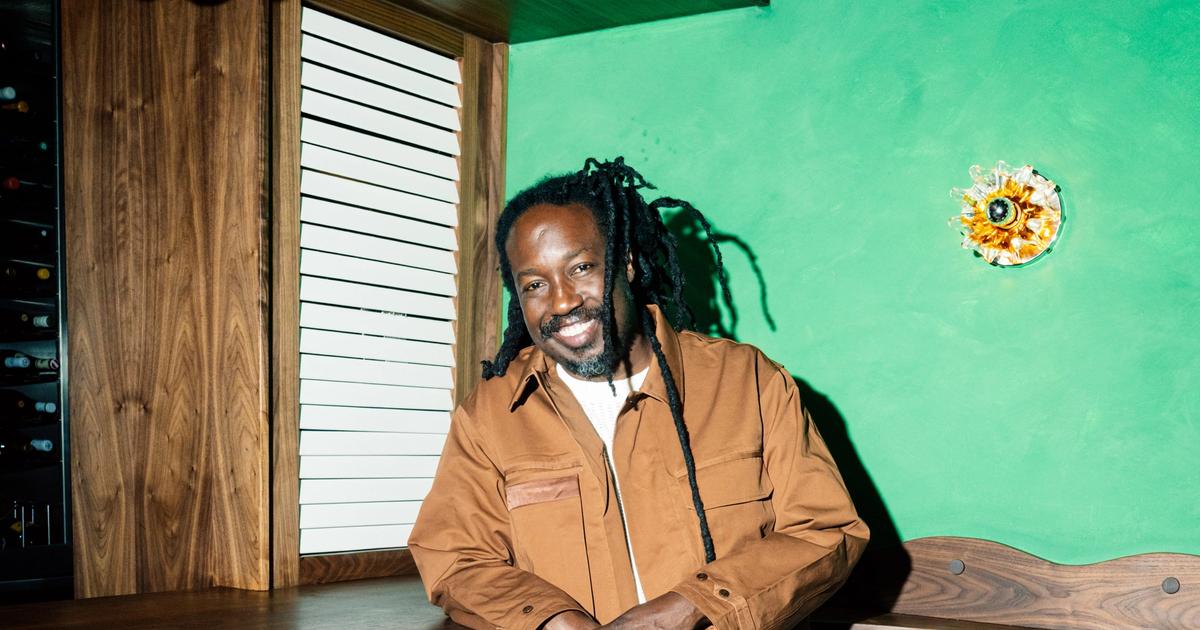
The spaghetti was a declaration of resistance
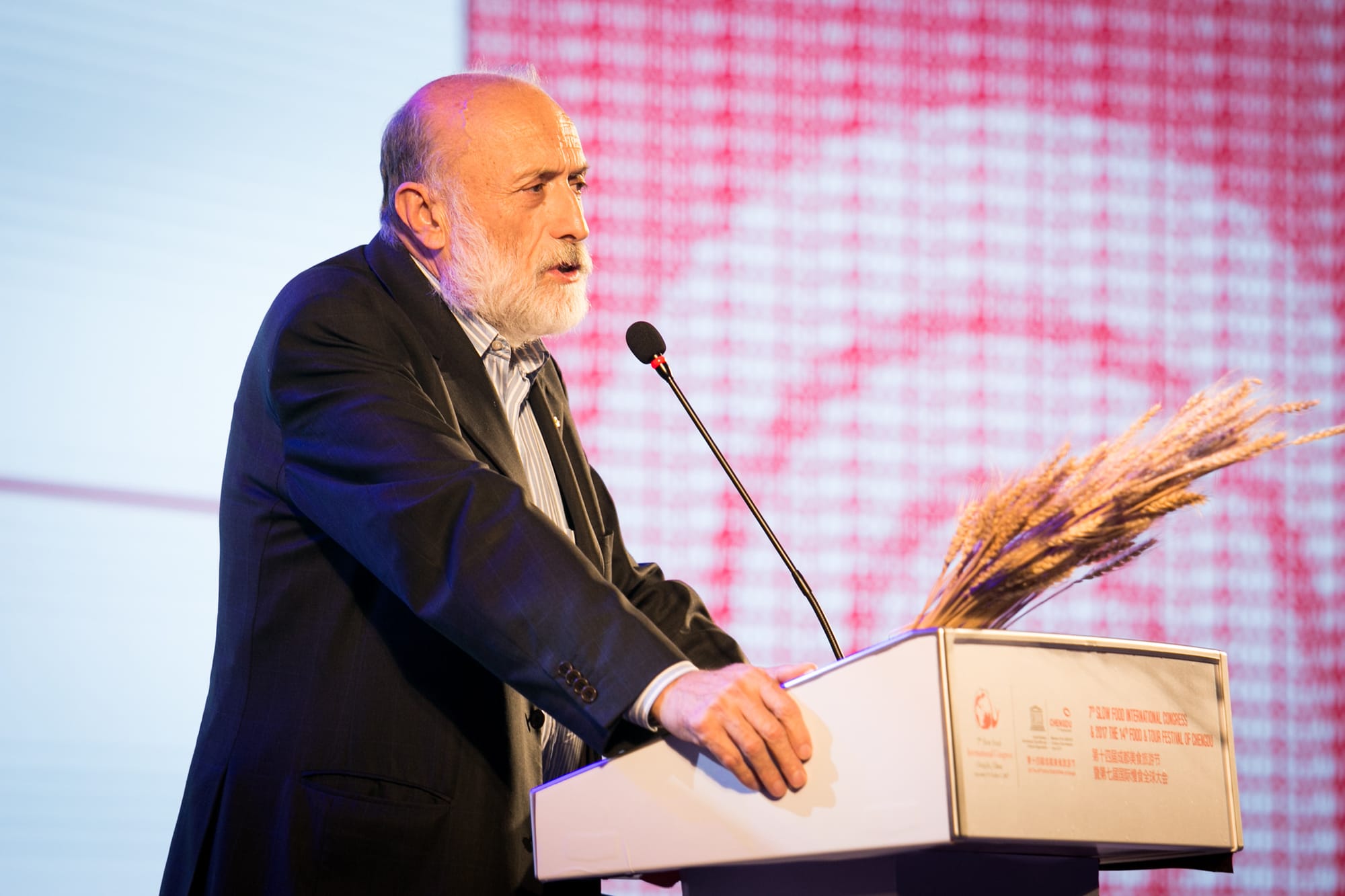
For the Guardian, Rachel Roddy wrote a loving and fitting tribute to Carlo Petrini, the founder of the Slow Food movement, who died earlier this week. It's incredible now to think that providing everyone food that is "good, clean, and fair" was a novel and revolutionary idea as recently as 1986:
On 20 April 1986, Carlo Petrini was part of a group who cooked and distributed spaghetti to passers-by in Piazza di Spagna in Rome. The huge pot of pasta was their response to the opening, the previous month, of the biggest McDonald’s in the world just metres from where they stood. For Petrini and fellow members of Arcigola, a group dedicated to the pleasures of food and shared political ideals, the opening of McDonald’s in the centre of Rome represented an attack on Italian culinary identity, local biodiversity and the natural rhythms of life: the spaghetti was a declaration of resistance.
A few months laters, during a meeting over dinner at Osteria dell’Unione in Treiso, Piedmont, in north-west Italy, the group came up with the idea of trying to stem the fast food invasion, whose single value was profit, with slow food, which they saw as a defensive trench. The essayist Folco Portinari, then head of the Rai TV company, wrote the text, while Petrini gathered signatures, and on 3 November 1987, a manifesto was published on the front page of Gambero Rosso, a supplement edited by Stefano Bonilli within the communist newspaper Il Manifesto.
The manifesto began with the title “A proposal aimed at all those who want to live better” and then gave a name to what they saw as the way to achieve this: “Slow Food”. The words that followed were both simple and revolutionary: a call to defend the pleasure of food, food biodiversity and local producers against the standardisation of the global agri-food industry...
What Petrini...created was a global system built around three words – good, clean and fair – that offered new ways of thinking about food: not merely as a source of nourishment, but as a matter of environmental sustainability, cultural identity and social justice.
 Rachel Roddy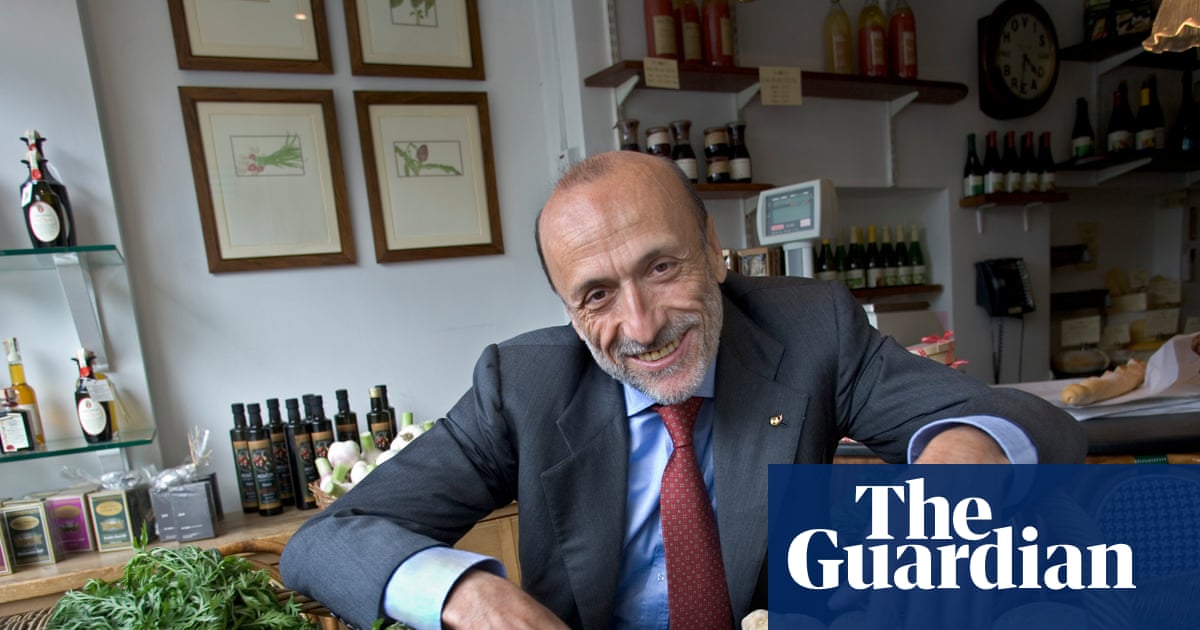
I love Ms. Torrano's class
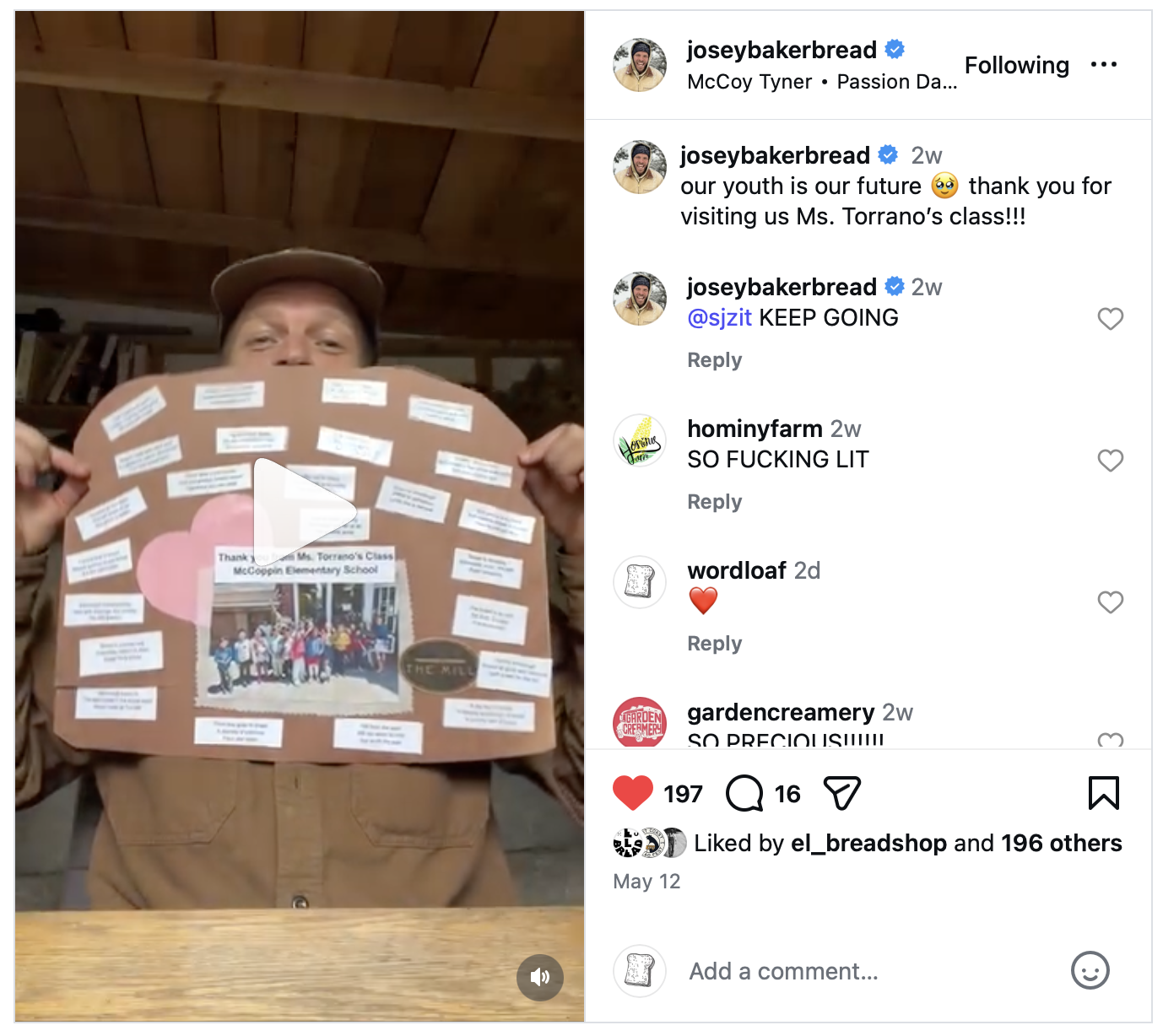
My friend Josie Baker (who I got to hang with a bit earlier this month) recently posted an amazing video, which you should just go watch now:
from tiny grain to bread
a journey of patience
flour and water
Have a peaceful, restful weekend. See you next week.
—Andrew

wordloaf Newsletter
Join the newsletter to receive the latest updates in your inbox.