Friday Bread Basket 11/7/25
Community bread
Table of Contents
Hello from the Wordloaf Friday Bread Basket, a weekly roundup of links and items relating to bread, baking, and grain.
Loaf thy neighbor
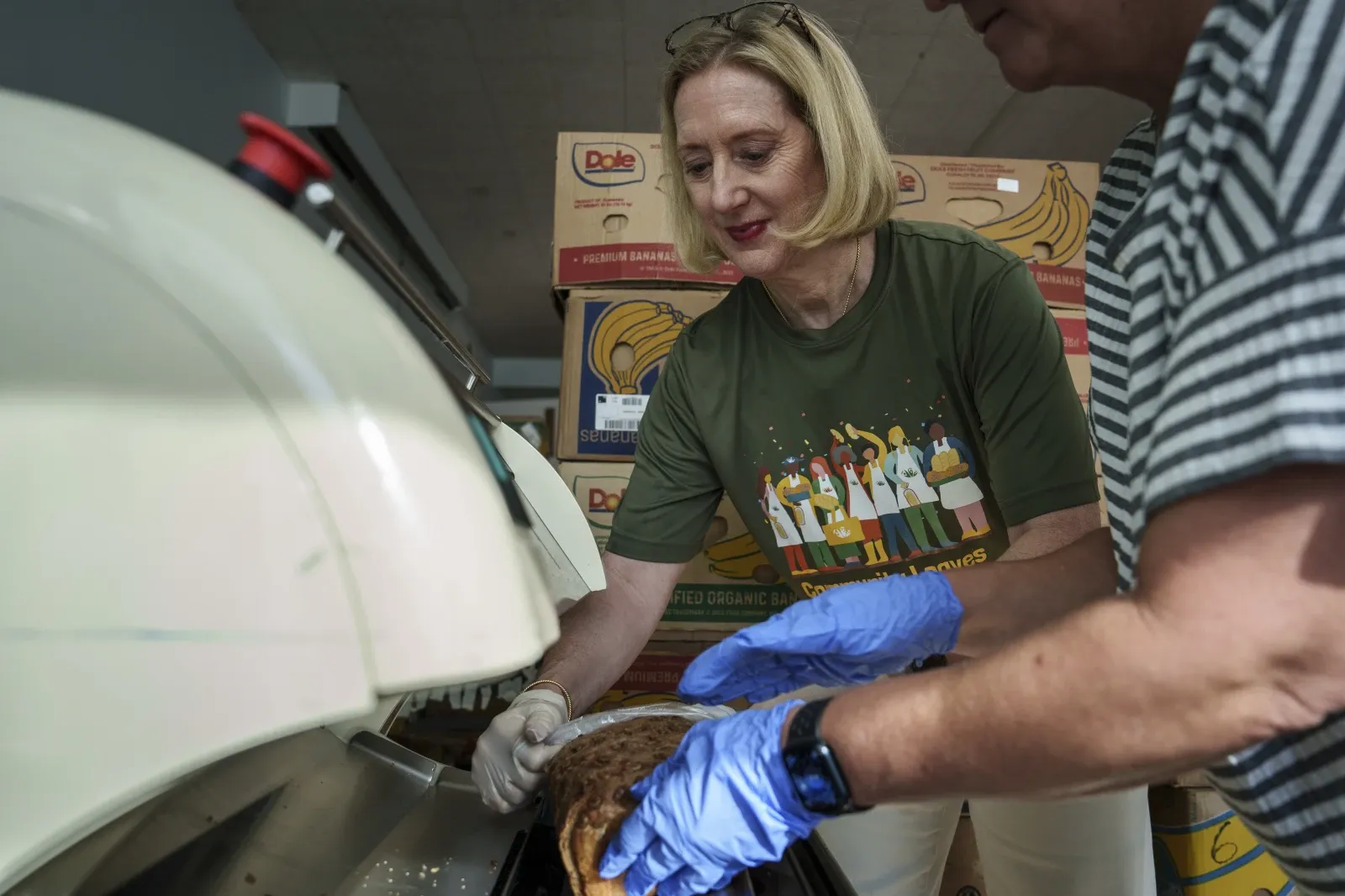
I've discussed the charity network Community Loaves here before, but it's been awhile, and given the government shutdown's shutdown of SNAP benefits, it's been on my mind again. The idea behind it is that home bakers make loaves (and "energy cookies") at home—using a handful of identical recipes—and donate the products to the organization, which distributes them to food banks and other organizations to give to those in need. Donation opportunities happen twice monthly, and there is no minimum commitment for volunteers. Bakers can make as few or many items as they can handle, as often as they have time to, so there's a lot of flexibility in the system. And the recipes are both delicious and healthful, using high-quality ingredients (the great Cairnspring Mills provides flour to bakers at a deep discount).
The AP recently profiled Community Loaves and their great work:
That includes people like Chris Redfearn, 42, and his wife, Melanie Rodriguez-Redfearn, 43, who turned to a food bank in Everett, Washington, last spring after moving to the area to find work. They had to stretch their savings until she began a new position this month teaching history at a local college. Chris Redfearn, who has worked for decades in business, is still looking.
“The food pantry assists with anywhere from $40 to $80 worth of savings weekly,” he said. “We’ve been able to keep ourselves afloat.”
Finding homemade bread from Community Loaves at a food pantry was a surprise, the couple said. Often, surplus bread sent by grocery stores includes highly processed white breads or sweets donated near their expiration or sell-by dates.
The breads come in three varieties — honey oat, whole wheat and sunflower rye — all made with whole grains and minimally processed ingredients.
“They make it really wholesome and fibrous,” Chris Redfearn said. “It mimics most of the health-conscious breads that are out there.”
Community Loaves began as a small effort with just a handful of bakers in Seattle during the pandemic, but has since expanded to include locations in 4 states—California, Idaho, Oregon, and Washington—with more than 1100 bakers participating. I got a deal on a large tabletop spiral mixer last year, with the idea that once I finish my book I'd work toward starting a hub here in the Boston area. I still hope to do that, and will share details about the process here.
 JONEL ALECCIA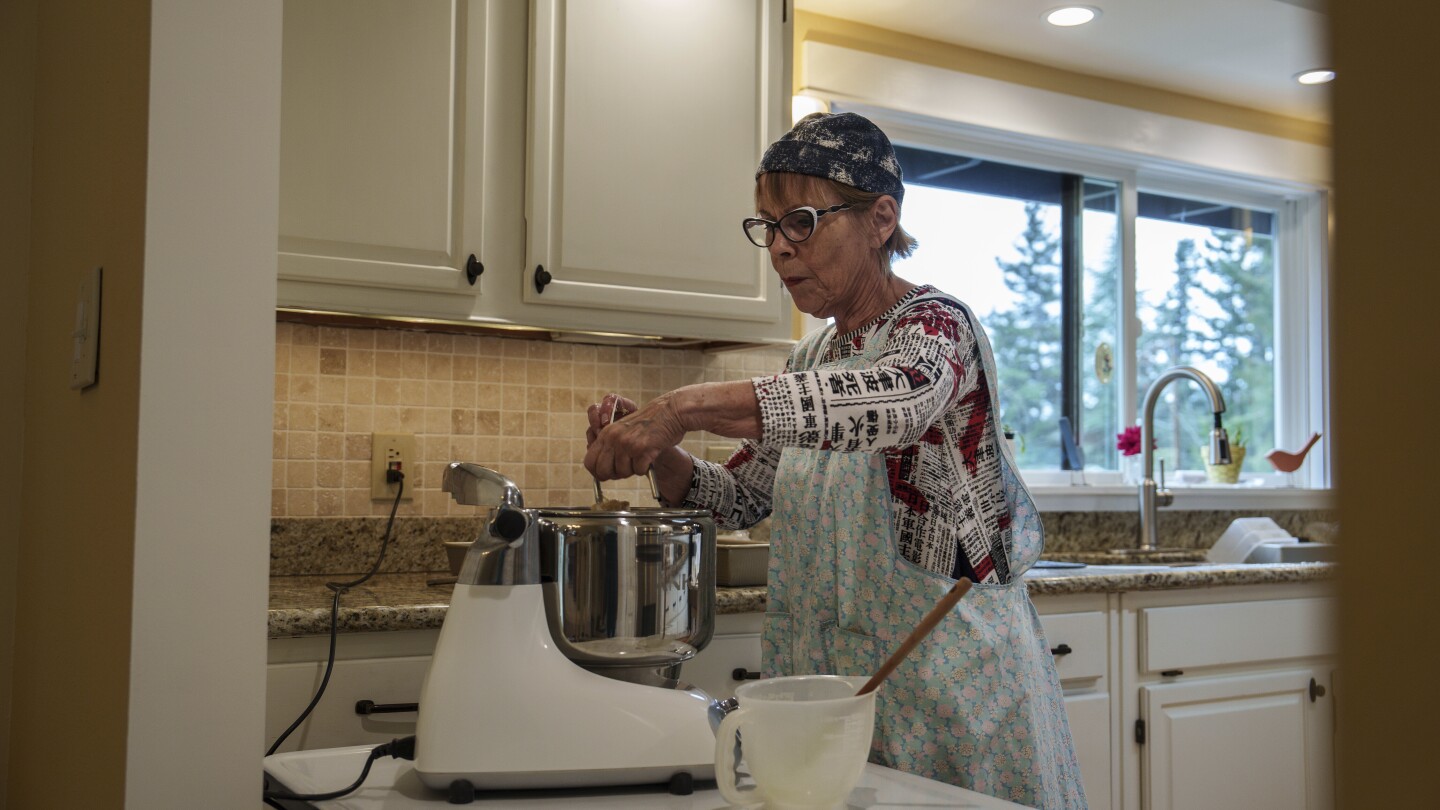
Bread is funny
H/t to Wordloaf reader Lori, who sent me this video about the origin story of Bernd das Brot, a hugely popular German animated children's TV character that I vaguely knew about, but haven't investigated yet. He's a loaf of Pullman bread who suffers from chronic depression, thanks to a broken heart:
A long, long time ago I fell in love with a beautiful, slim baguette. She was so unbelievably charming and funny. But unfortunately, my affection was in vain. She only had eyes for this perfect stranger, a multigrain bread. It was so devastating. [...] My heart has been a dry clump of flour ever since.
Gonna have to do a longer post on poor Bernd someday.
A quiet act of resistance
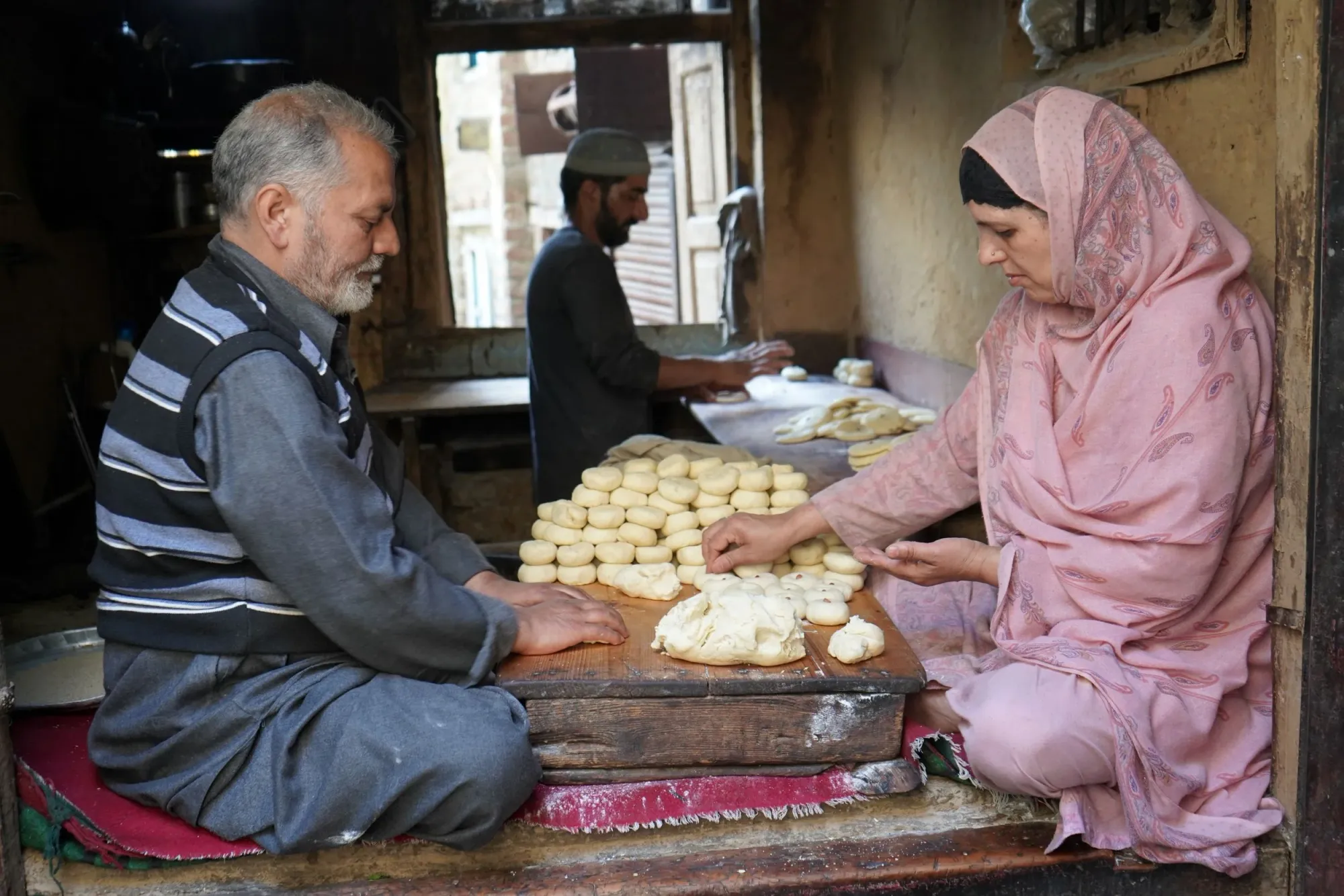
I loved this story by Mohammed Nayeem Mir for Goya about Sofi Bakery in Kashmir, and how Kashmiri bakeries are as much community spaces as places of businesses:
When I ask Hilal why he keeps doing this the traditional way, without shortcuts, without machines, he just says, “This isn’t work. This is who we are.” He grew up watching his father and grandfather, learning by sight. This is an inheritance that can’t be measured in money. “My customers come here not only for bread, but for a sense of belonging. Every morning, they gather, greet each other, share a few words. And in that daily rhythm, something special happens everyday, something that isn’t about commerce at all,” he says. Hilal believes the future may not be as bleak for traditional baking as some fear. “People are coming back to these things, especially the younger ones.”
Sofi Bakery’s tandoors aren’t just about baking. They’re about holding on to something real in a time that feels like its moving too fast. When so much feels disposable, this bread, made with care, by hand, every morning, feels like an act of quiet resistance.
Beyond the community aspect of Kashmiri baking, I'm struck by how Middle Eastern the products are. (Which makes sense, given Kashmir's position on the map.) There's a paper thin flatbread called lavasa, and a fingertip-dimpled one called girda that is similar to pide or matnakash.
 Goya
Goya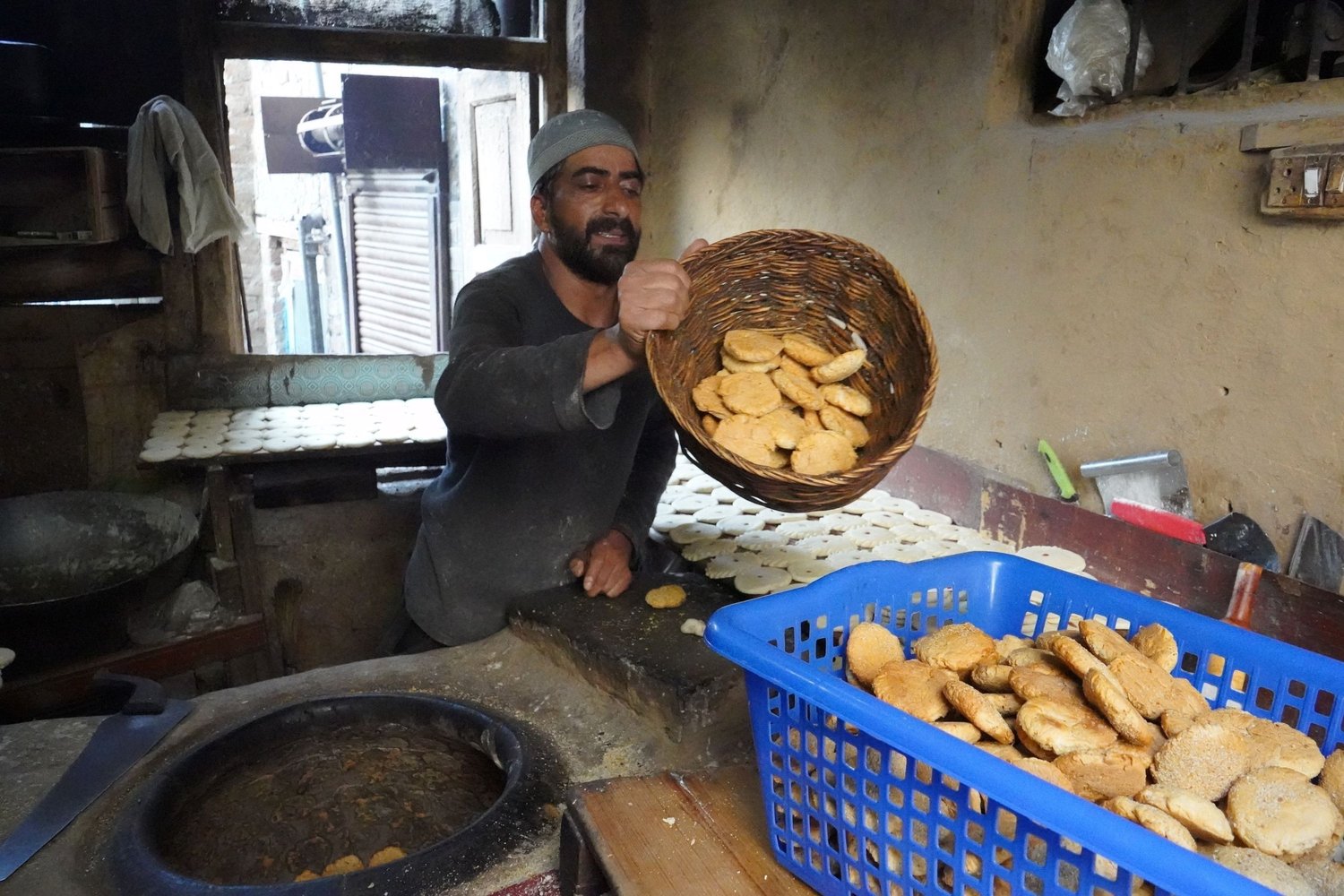
One of the cartoons from my new book 'Physics for Cats'. In good bookshops now and online in English, French, German and Spanish editions. I am in Spain this week launching the book - come along! www.tomgauld.com
— Tom Gauld (@tomgauld.bsky.social) 2025-11-05T12:41:45.630Z
That’s it for this week’s bread basket. Have a peaceful, restful, weekend. See you next week.
—Andrew
wordloaf Newsletter
Join the newsletter to receive the latest updates in your inbox.