Friday Bread Basket 11/14/25
Back to Kashmir
Table of Contents
Hello from the Wordloaf Friday Bread Basket, a weekly roundup of links and items relating to bread, baking, and grain. This will likely be the last one for awhile on my final push to finish Breaducation, though I might send out a quickie or two between now and the new year.
New American Stone Mills fundraiser
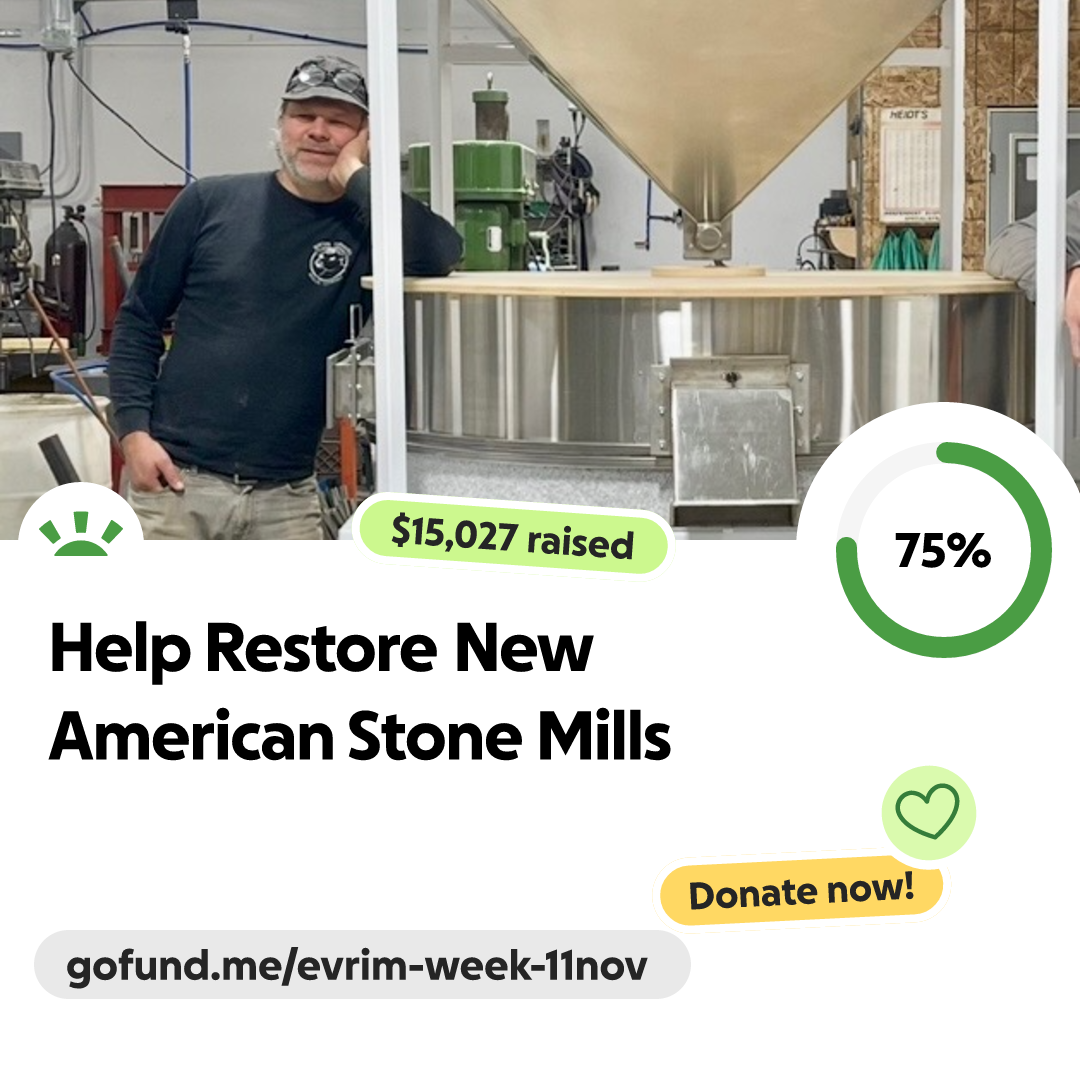
I was so pleased to see the totals on the New American Stone Mills fundraiser jump by several thousand dollars within a few hours of my post going out on Wednesday. I know not all of that was your doing, but I could see many of your names on the donors list, and I truly appreciate that. If you haven't donated, there's still time.
With no provision but an open face
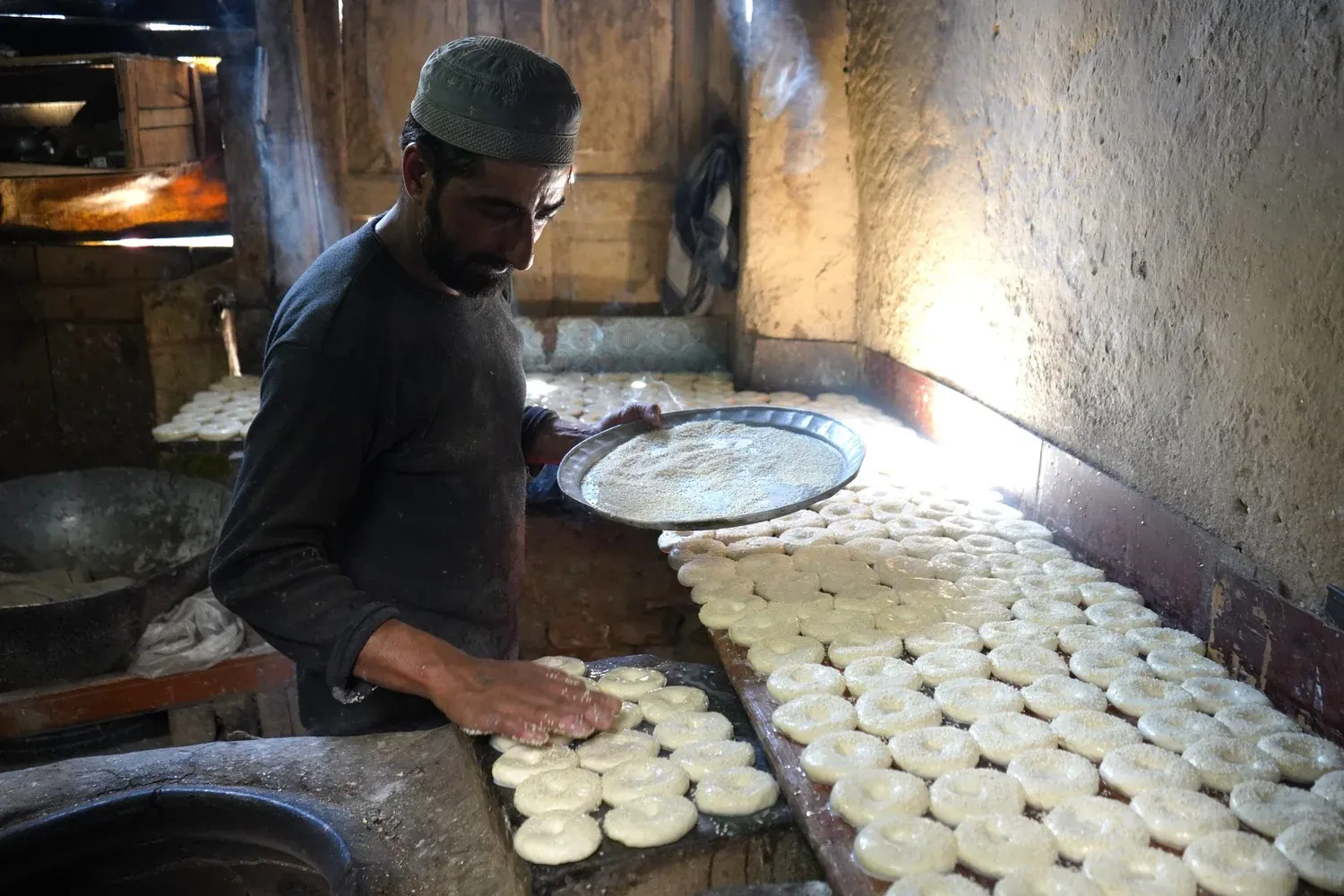
I loved this podcast hosted and reported by Meher Varma for Whetstone Media, on the Kashmiri kandur, the bakeries that are essential neighborhood gathering places throughout the country. It dropped at nearly the same time as the Goya story I mentioned last week, and at first I'd assumed they were by the same author:
As I'm walking, I'm hit by a distinct fragrance that stops me in my tracks. It takes me no time to identify the smell of freshly baked bread. It wafts through the air, a potent sweet scent cut with smoke. I take a few steps in this direction and find smoke rising from a nondescript shop front, a simple structure made of mud and bricks, tucked away in a narrow alleyway.
From a local, I learned that the structure is the neighborhood kandur, a local Kashmiri bakery where people from the neighborhood gather every morning and sometimes later at tea time for their daily bread. Inside the structure, which has a low ceiling and feels a bit like a cave, is a large earthen pot with an open-mouth, cocoon-like structure. That is a wood-fired tandoor. Every neighborhood has one, and each has a slightly different atmosphere. Whether snow, rain or in the heat of summer, whether curfew or strike, the neighborhood bakery is open.
The kandur is a gathering place, one that cuts across age and class hierarchies. On my visit there I heard young people talking to old, and neighbors, both men and women, exchanging pleasantries and gossip. I saw people hanging out without worrying that they were not ordering enough or that they were taking up too much space.
As a hyper-urban creature myself, I couldn't think of a pub or a park that compares. Given the militarization of Kashmir society, to find a place like this where people are mingling freely strikes me as a small miracle. But then I come to learn that the world of bread is a divine coping mechanism for Kashmir, for whom fate and uncertainty are interlinked. As we will discover, bread here is not just about flour, water and ghee. It is about community.
It's a really beautiful listen.
An open mind
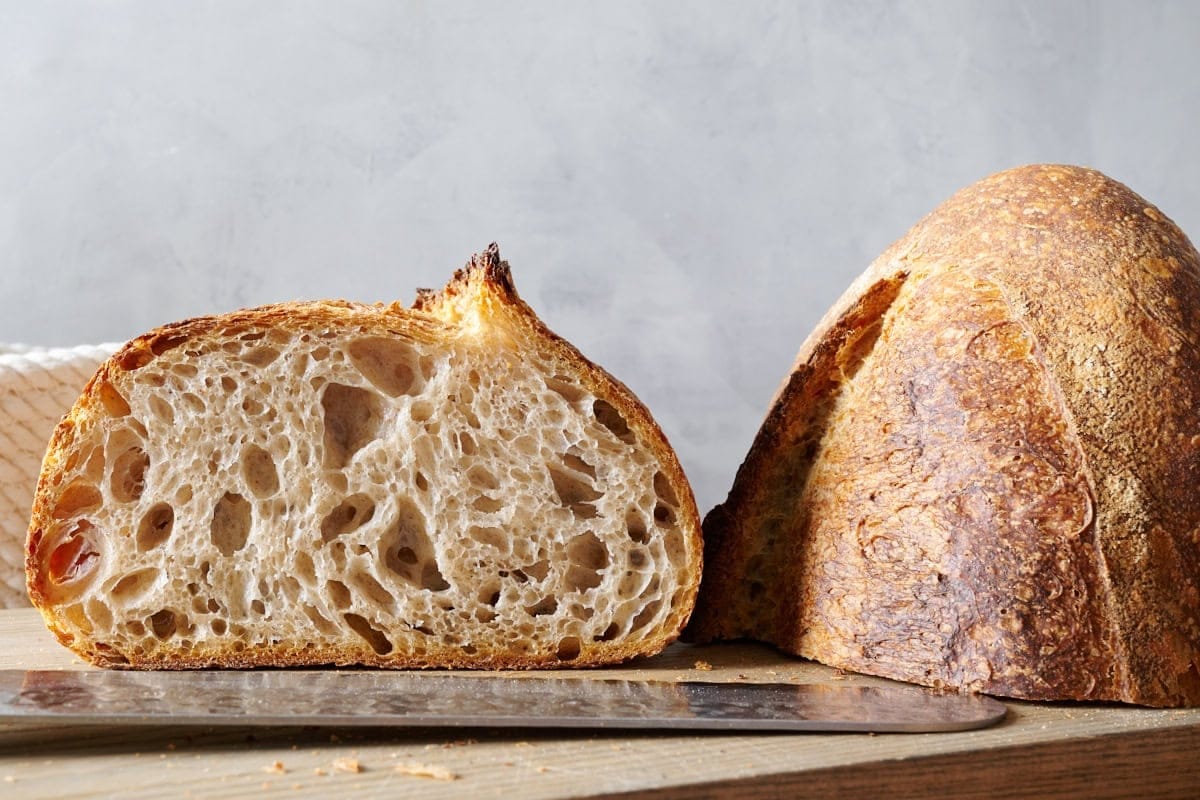
I can only assume that most of you already subscribe to Maurizio Leo's newsletter and have seen this already, but in case not, he shared a guide to open crumb baking recently that is well worth your time. I'm not an open-crumb chaser myself, but mostly because my breads usually end up exactly as open as I'd like as a result of chasing after other metrics—strong dough development, ample fermentation, gentle shaping, etc. Much of what Maurizio mentions should already be part of your sourdough practice, regardless of your interest in achieving an open crumb:
Flavor comes first—always. And while an open crumb tends to obsess those new to the craft, it becomes less important as you continue to bake. But I will say that an open, light, and airy structure isn’t only about looks; it is evidence of what happened beneath the surface: vigorous fermentation, proper dough development, and gentle handling at every turn. It’s a light, even texture with well-distributed holes, free of large gaping caverns surrounded by dense spots.
When the flavor component is there, as it should always be, this kind of texture makes for bread that’s genuinely pleasurable to eat.
In this guide, I’ll walk you through the decisions that lead to a more open crumb, from choosing your flour to finding the right proof. It is not to chase perfection or impress anyone, but to help you understand your dough well enough to create the bread you actually want to bake—and eat.
 Maurizio Leo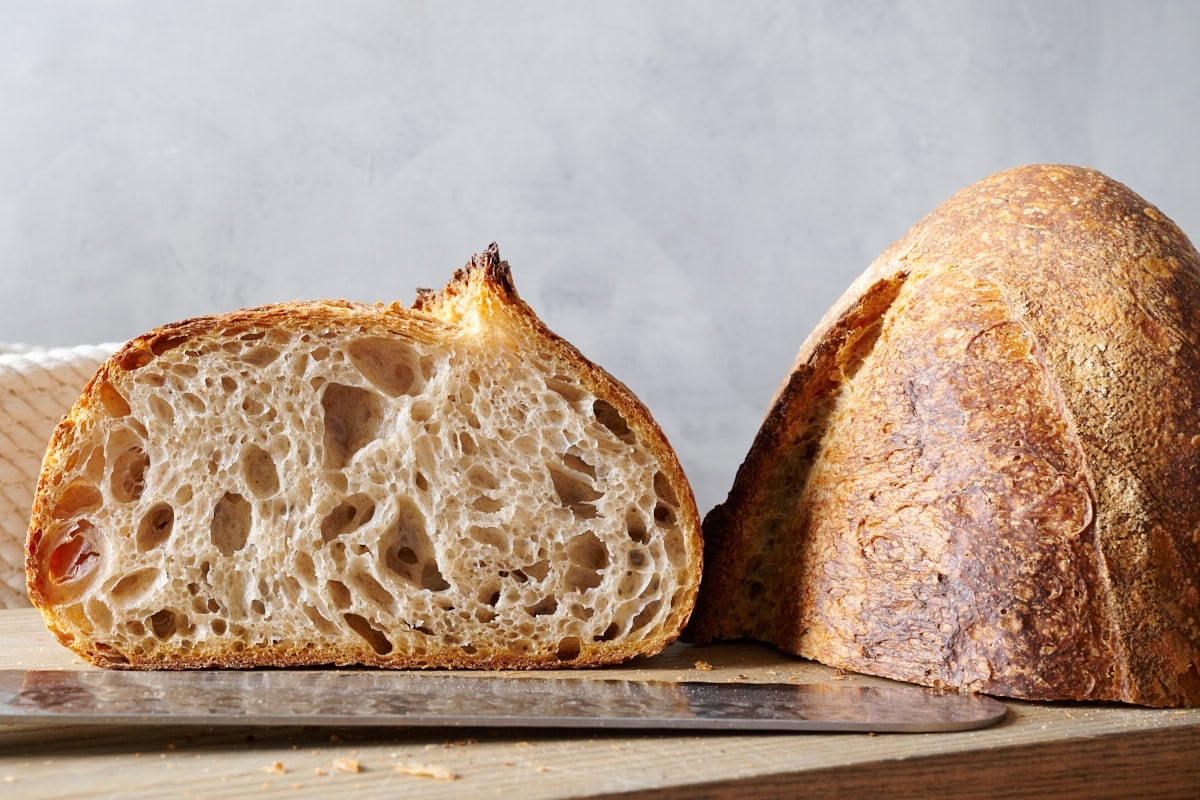
— Dave Infante (@dinfontay.com) 2025-10-30T12:44:07.837Z
That’s it for this week’s bread basket. Have a peaceful, restful, weekend. See you next week.
—Andrew
wordloaf Newsletter
Join the newsletter to receive the latest updates in your inbox.