Friday Bread Basket 10/9/26
Happy ever after
Table of Contents
Hello from the Wordloaf Friday Bread Basket, a weekly roundup of links and items relating to bread, baking, and grain.
Breaducation central
Just a heads up: I've created a permanent page for Breaducation news and links— including for upcoming, nearly finalized events (NYC! Philadelphia! D.C.! Portland, ME!). Find it here:
 Andrew Janjigian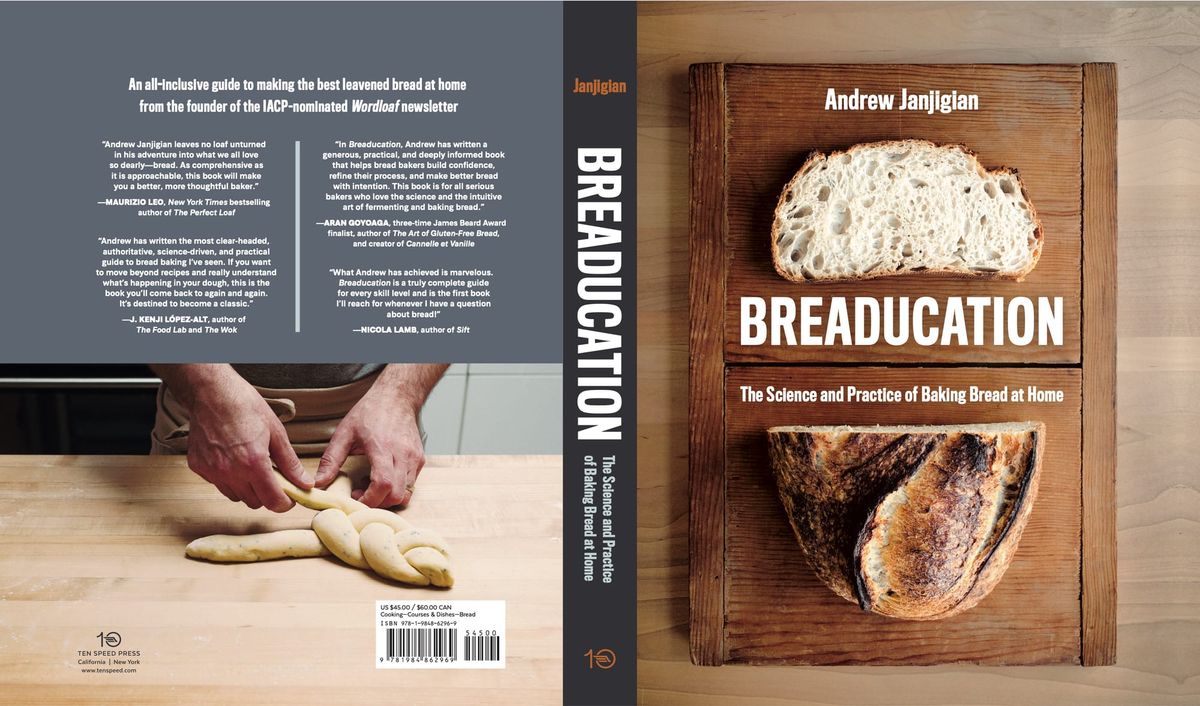
Some non-Breaducation event news
I'm going to be moderating two exciting, grainy events here in Boston soon, both at Sofra, one on 10/15 with my friend Maria Speck, on her new book, Baking with Ancient Grains — Mediterranean-Inspired Recipes for Living Well:
 Order
Order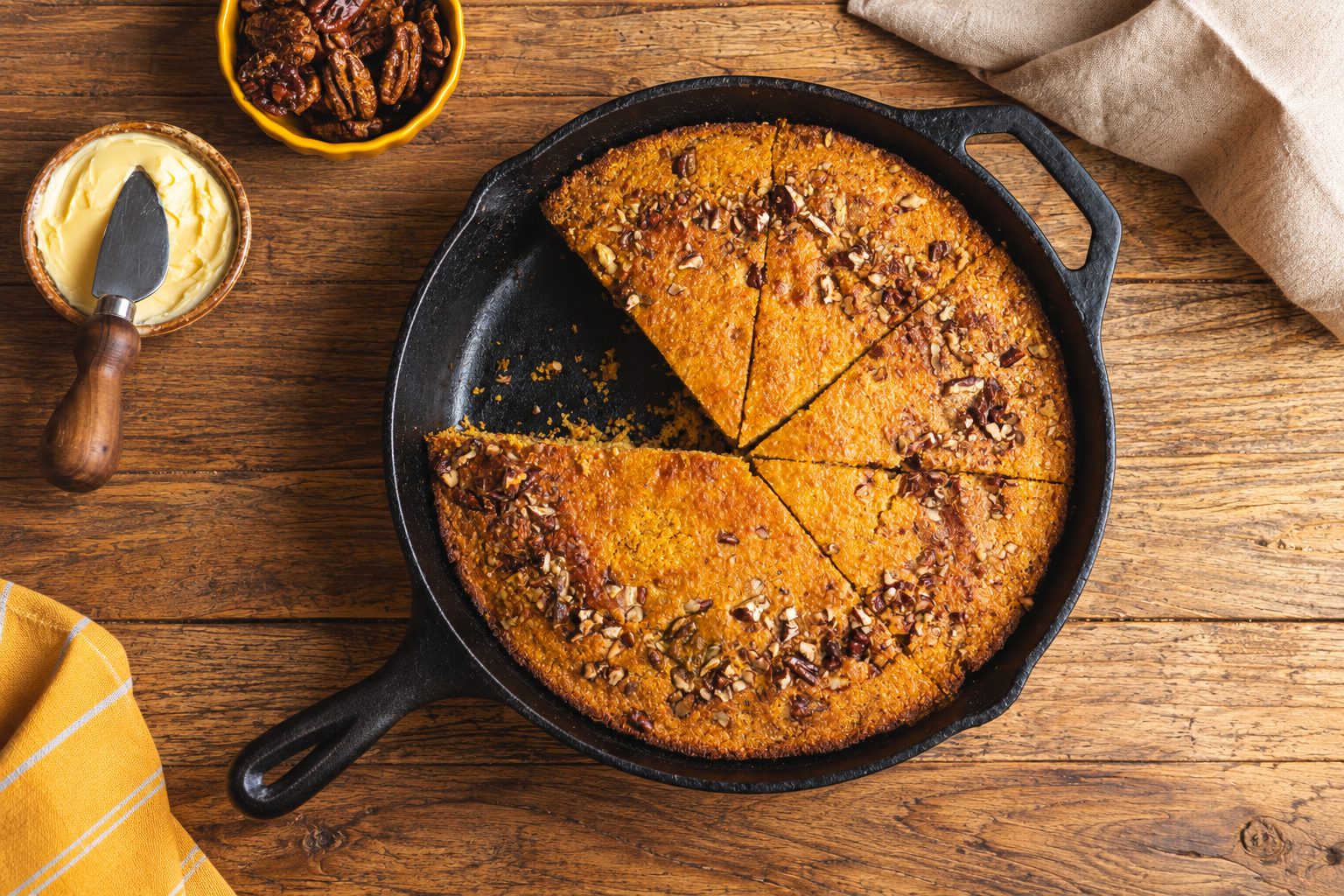
And then another on 11/5 with Roxana Jullapat, on her recent book, Morning Baker (which I covered here already):
 Order
Order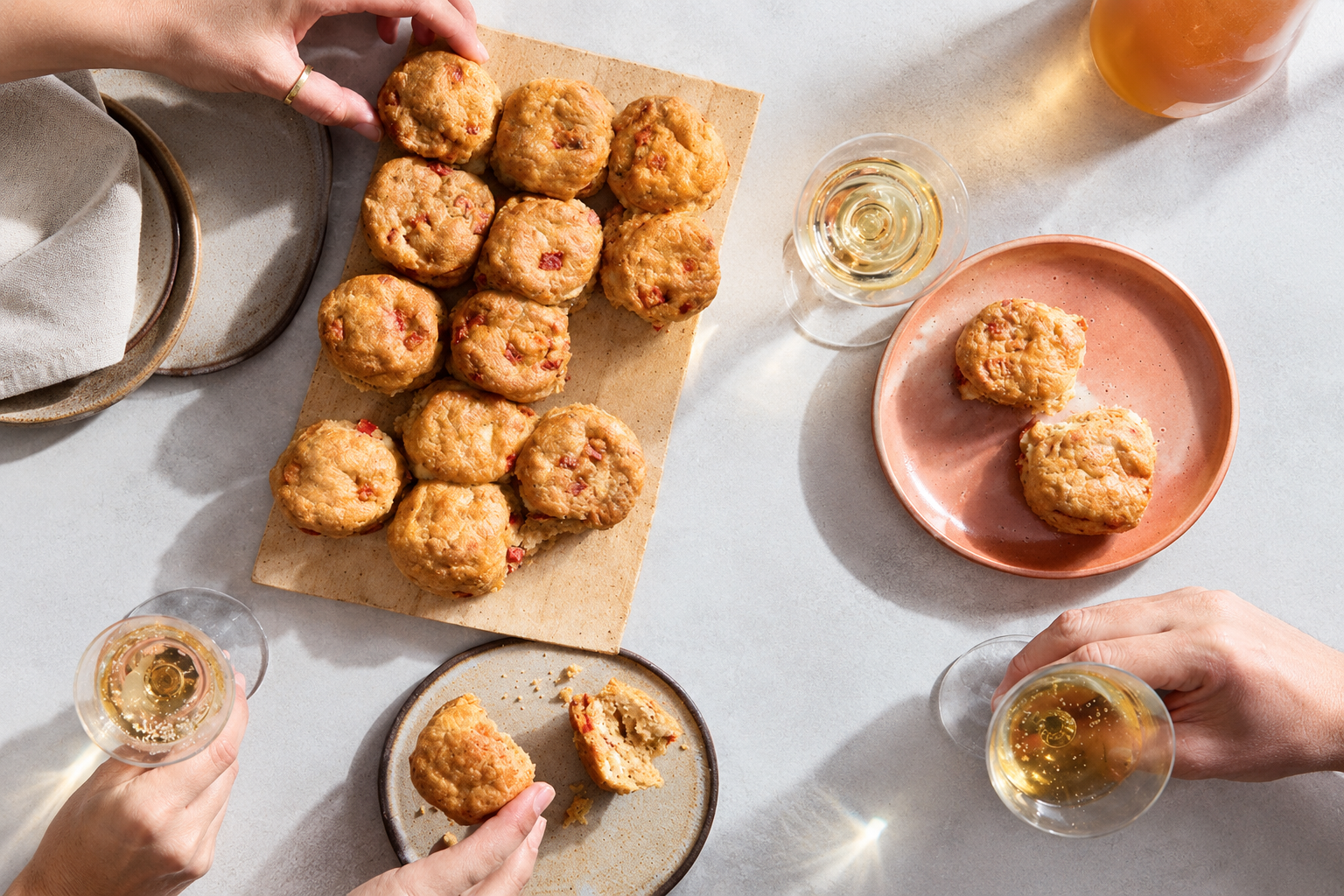
The generosity of it
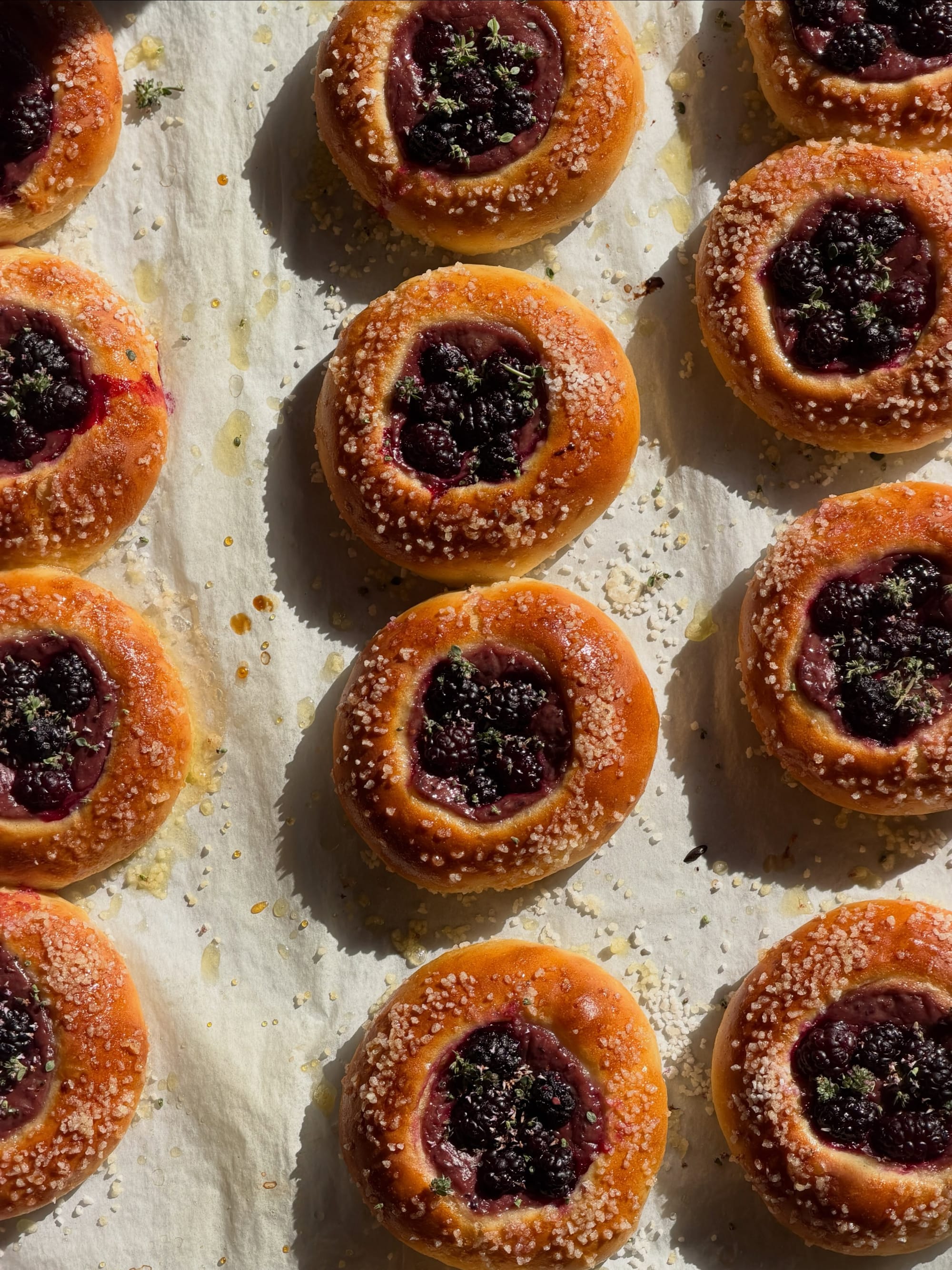
I highly recommend this Vittles podcast interview with Anna Higham, baker-owner of London's Quince, on her many years of working in some of the top restaurants in London and NYC and how it lead to her approach to baking at Quince:
The scones look like they do because the flour is that colour and I just don't care if stuff has a straight line. I don't think it makes it more delicious. Like a wetter scone is a more delicious thing, so it's gonna look a bit knobbly and sometimes I'm like, Is this beautiful? But then I think its deliciousness is what makes it beautiful...that's across the board. Sometimes it does feel very brown, particularly in the winter...
And I think this is why I would have been a shit architect, because it gets to the point with the details where I'm like, well, Just make it. Just do it, which doesn't really work with architecture. I think you have to know how a building goes together.
But...as a person in general, I don't really care about the corners being square...The beauty is in the generosity of it—The fruit itself just being beautiful, the joy of the people that have made it, the joy that it makes people feel.
I can't wait to visit there when I'm in London next.
 Vittles
Those old chestnuts
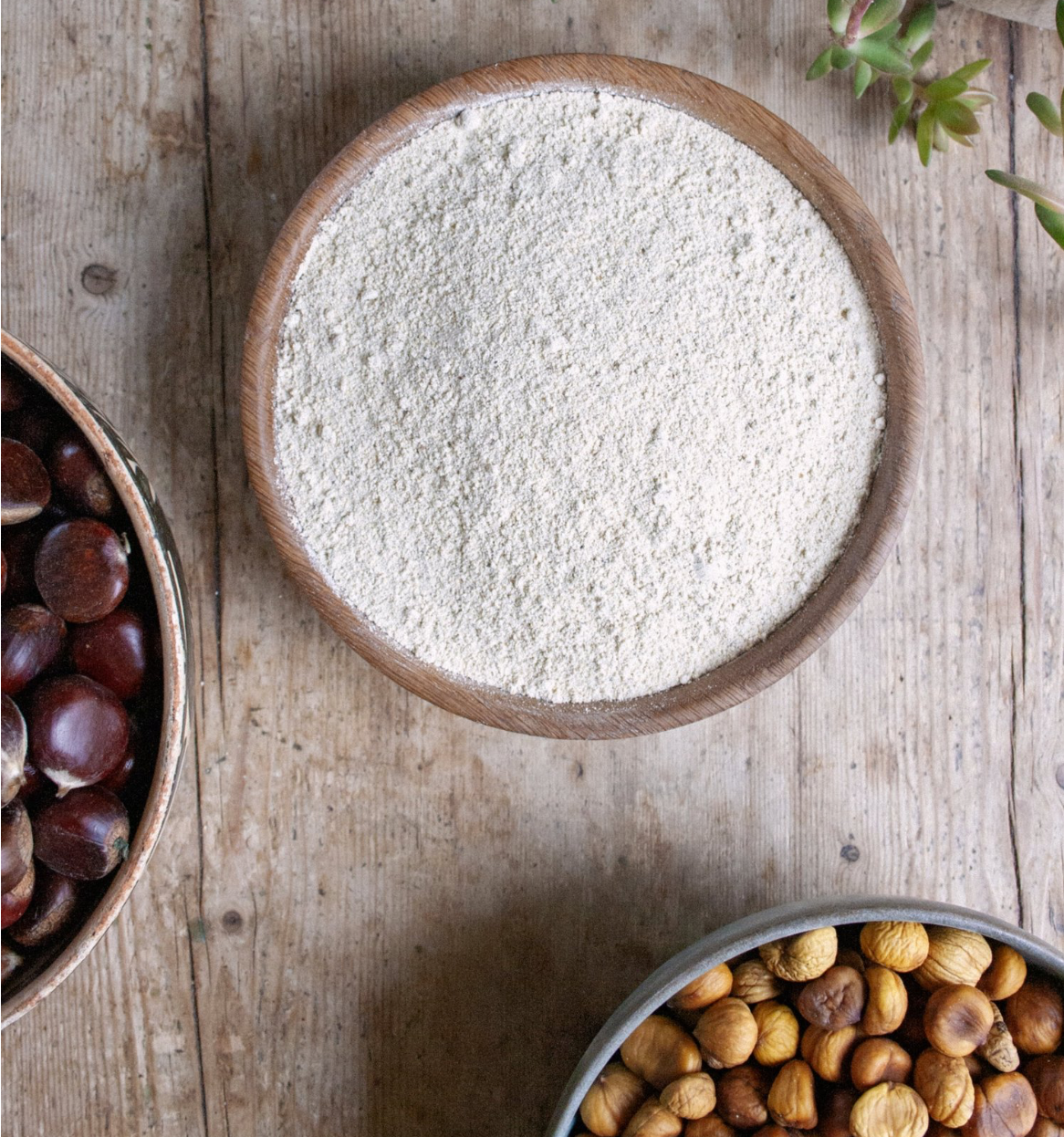
When I was at the Kneading Conference this summer, I met someone from Breadtree Farms, based in upstate New York and southern Vermont, who told me all about their efforts to bring back the American chestnut, as part of a larger project to promote the production of "native" foods from the Northeast. She offered me some samples of their chestnut flour to play around with, which sit in my freezer awaiting a moment I have some free time again.
In the meantime, I was happy to see this story from Kate Ray for the most recent issue of Alicia Kennedy's Tomato Tomato all about chestnuts, chestnut flour, and Breadtree Farms:
I’m selling baked goods at a festival called Hudson Valley Nut Fest, which is a celebration of regional nut species. In my pastry case: maple-glazed acorn doughnuts, chestnut coffee cake, black walnut rugelach, chestnut spelt focaccia. Other vendors are passing out cups of warm hickory milk and paper cones of the aforementioned roasted chestnuts. There’s a black walnut dyeing workshop, acorn processing demo, chestnut pasta-making, and a nutcracker testing station (not the dolls; these machines could break your bones). In huddled clusters everywhere, old friends catch up and strangers have excited conversations about tree species. A crackling, breathless feeling fills the air—you could call it obsession or nerding-out, but the object of fixation is a vision of trees deep into the future and what they could provide for humans not yet born. You might call it hope.
The tree crops’ world feels like a bit of a cult that I am slowly being drawn into. It started with chestnut flour, which I was gifted from an organization called Breadtree that grows native plants like chestnut, hickory, oak, seaberry, apple, pear, mulberry, and persimmon trees and shrubs. Their name references the way the starchy chestnut can be dried and ground into flour, making it a staple food that people can (and have) subsisted on in lieu of grain-based agriculture. It’s high in fiber and vitamin C, but low in fat compared to other nuts, which makes it a nutritious alternative to wheat.
Breadtree practices a system called agroforestry. The premise is simple: instead of tilling an open field every year for crops that need fertilizers and pesticides to survive, grow a forest that provides food for humans, an ecosystem for animals and microorganisms, carbon sequestration underground, and holds onto soil rather than shedding it at a rate ten times faster than it can be replaced. Some experts predict that we’ll run out of topsoil within fifty years. In contrast, agroforestry draws on precolonial forms of land management that have thousands of years in practice. It’s slow, multigenerational work that goes well beyond your own lifespan.
 Alicia Kennedy
You can’t do this. Pizza Soup. You can’t just put two separate nouns together and say hey, this is a whole new thing, I put it in a bag for you. People shouldn’t do such things.
— Bill Corbett (@billcorbett.bsky.social) 2026-10-07T13:02:03.883Z
Have a peaceful, restful weekend. See you next week.
—Andrew

wordloaf Newsletter
Join the newsletter to receive the latest updates in your inbox.