Friday Bread Basket 10/31/25
Goblin sandwiches

Table of Contents
Hello from the Wordloaf Friday Bread Basket, a weekly roundup of links and items relating to bread, baking, and grain (and pizza). Happy halloween, y'all.
Souls rolls
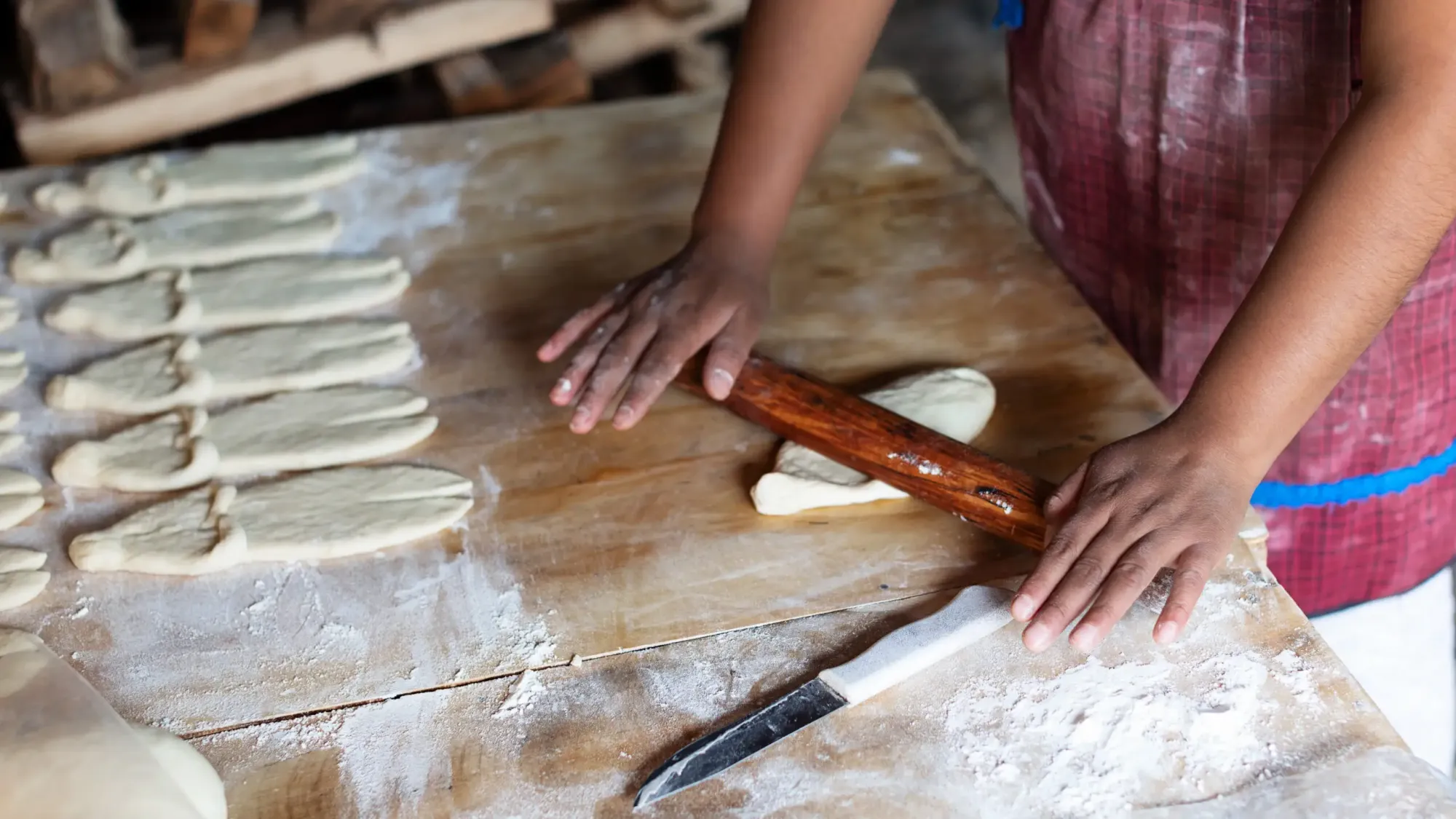
Saveur recently shared a story about a lesser-known Mexican Día de Muertos tradition, that of pan de ánimas, or bread of souls, from Michoacán:
While customs vary across Mexico, there are certain Día de Muertos traditions that everyone is familiar with. One is the use of marigolds, or cempasúchiles, the ceremonial flowers that are said to guide the souls of loved ones home with their strong aroma and bright color. Another is pan de muerto, or bread of the dead, which can only be found in bakeries this time of year. Typically flavored with anise, orange zest, and orange blossom water, the round loaves are traditionally adorned with pieces of dough in the shape of crossbones and are often dusted with sugar.
There are many versions, but Michoacán is home to one of my favorites: pan de ánimas, or bread of souls. The lightly-sweetened dough is molded into a human shape, often with arms crossed, like a mummy in a coffin. Before the invention of photography, these edible effigies were placed on altars as representations of the deceased. Often inscribed with names, a pan de ánimas with a flared and rounded bottom signified a woman, while one with two legs was meant to symbolize a man.
 Luisa Navarro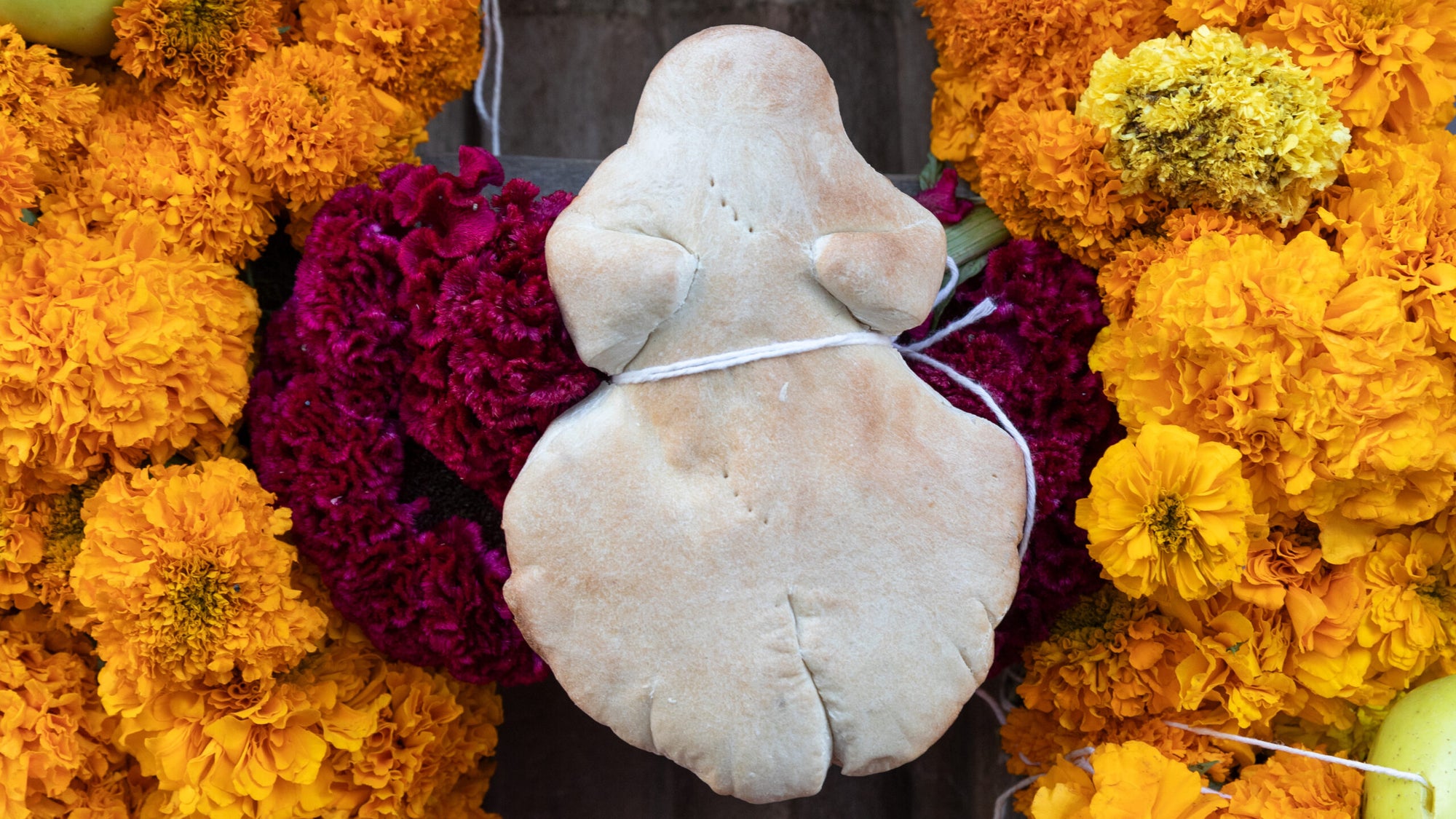
Ooni update
I have an update to my Ooni Halo Pro review and tips post, relating to how to use it with <1000g amounts of dough effectively. One thing I've noticed is that small amounts of dough can rise up the hook as they develop strength well before they are fully developed, giving you the false sense that mixing is complete. You can certainly stop the machine periodically and push the dough off the hook completely, but I've found a way to keep the dough moving without having to do so: you just (carefully) hold the end of a spatula just in front of and to the left of the breaker bar. Obviously, sticking anything into the whirling spiral while the machine is running is slightly dangerous, so try this out at your own risk.
But I've done it plenty now, and my hands, spatulas, and the machine are intact thus far. The idea is to just "tap" the left inner edge of the dough ball, which will cause it to fall toward the bottom of the bowl and into the breaker bar. Depending upon how sticky it is, a couple of taps may be all you need to push it off the hook completely. At other times, you may need to hold the spat there continuously to keep it from riding up, as I demonstrate in the video above.
Free pizza (intel)
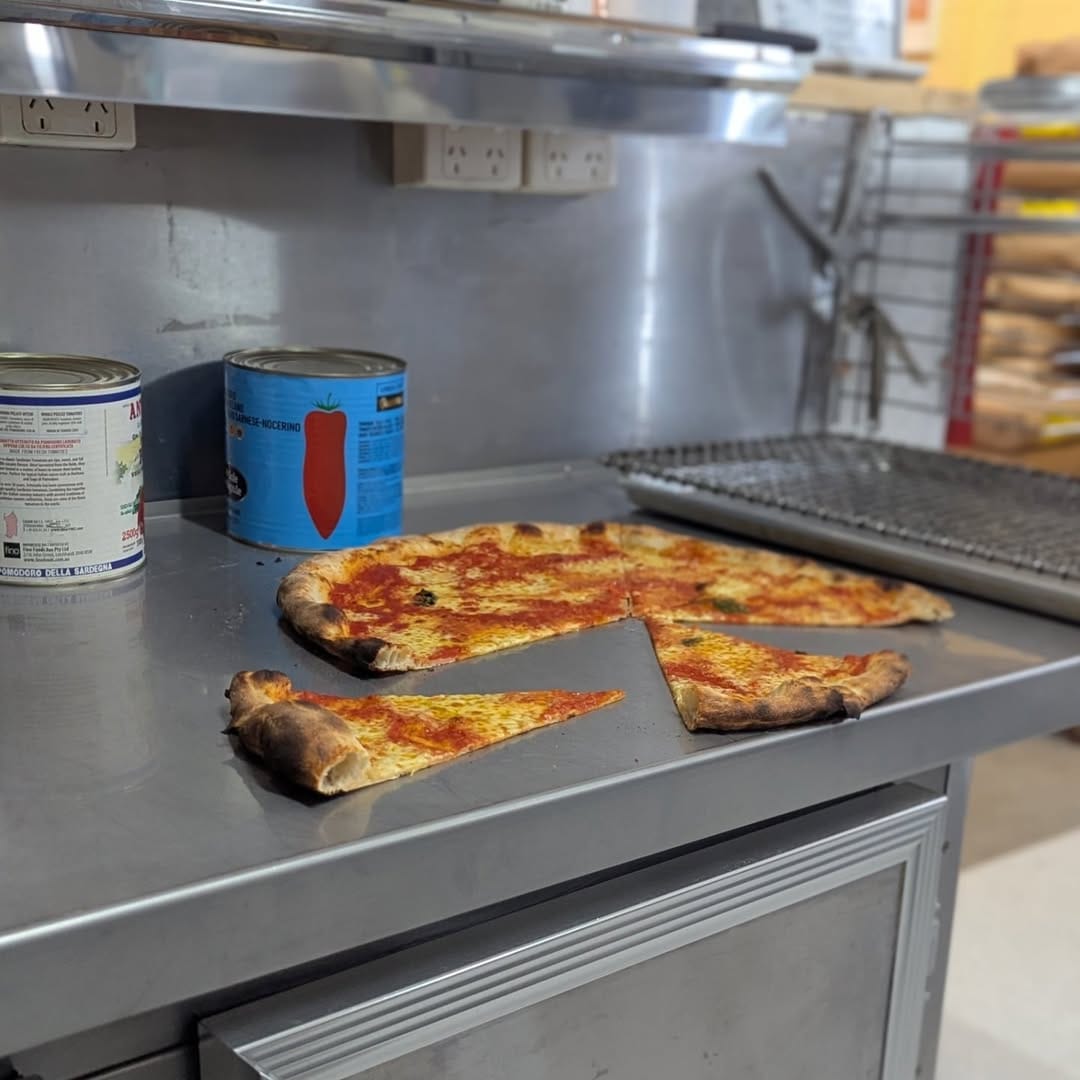
Baker Ian Lowe is on the verge of opening a Tri-state thin-crust pizza shop in Wynyard, Tasmania called Apiece Apizza, and—as he's generously done with his other bread knowledge—he's sharing recipe development notes freely for everyone, both on his Instagram feed and on his newsletter. A recent newsletter post outlined his goals and current testing results for the shop's dough formula, which obviously looks spot-on:
For my (admittedly simple) tastes, it’s hard to beat the use of moderate fermentation temperatures (24° to 28°C) and leavening amounts (for fresh yeast, 0.5% to 1%; for a single-stage sourdough, 15% to 20% prefermented flour) for ambient wheat doughs. The texture, lightness, and flavour profile is unmatched in yeast- or sourdough-only applications.
That’s what makes Di Fara Pizza in Brooklyn, one of my inspirations, so great. Their pizza dough’s a simple, yeasted affair. It rises in a couple of hours. But they never refrigerate it. Instead, they just mix new batches as needed.
At Apiece Apizza we’ll use a naturally-leavened dough with 16.66% prefermented flour. At 28°C such a dough takes 5 to 5½ hours from bowl to bake, dough development and hydration depending. In my first trial run, the results were fantastic. (To be fair, I developed this dough quite some time ago. I’ve continuously worked on pizza for a long time, longer than any other product.) Thing is, I wasn’t facing a service environment. That’s what I’ll work on next, how to increase the readiness of our dough.
As with bread, he's not a fan of retarding doughs, and is working toward a same-day, all-ambient process, which will be challenging in a production setting. At home, however, it's no big deal, and it's something I plan to investigate further once I finish working on the book.
 ian lowe
Poem by Khaled Juma, translated from the Arabic by Tayseer Abu Odeh and Sherah Bloor in the September 25, 2025 issue of the New York Review of Books
— Nancy Kricorian (@nancykric.bsky.social) 2025-10-25T14:03:12.293Z
That’s it for this week’s bread basket. Have a peaceful, restful, candy-filled weekend. See you next week.
—Andrew
wordloaf Newsletter
Join the newsletter to receive the latest updates in your inbox.