Friday Bread Basket 10/24/25
Lost in the supermarket
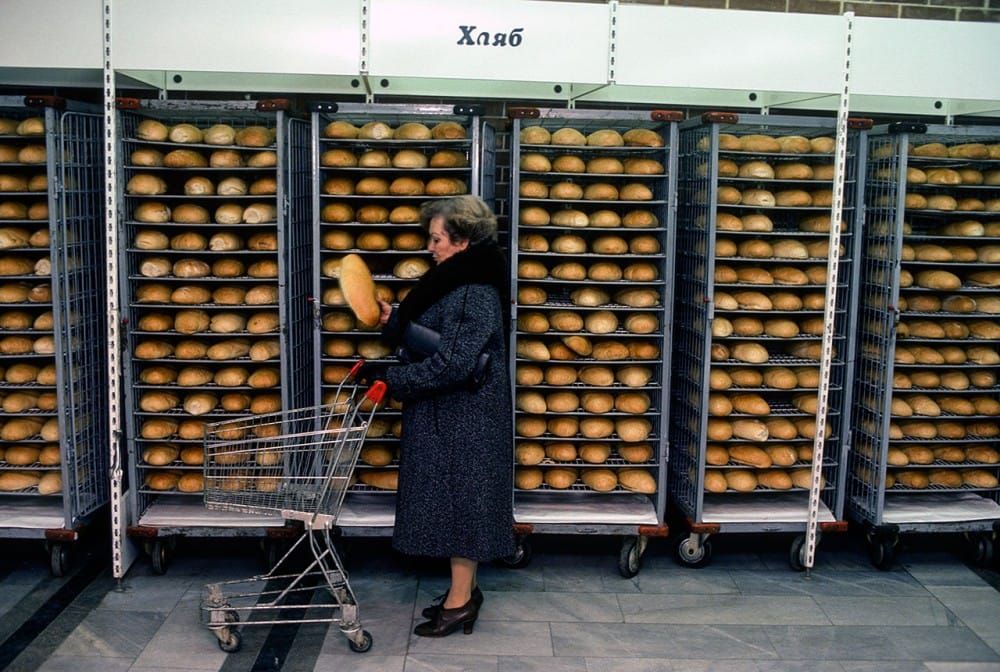
Table of Contents
Hello from the Wordloaf Friday Bread Basket, a weekly roundup of links and items relating to bread, baking, and grain (and pizza).
Downtime pipeline
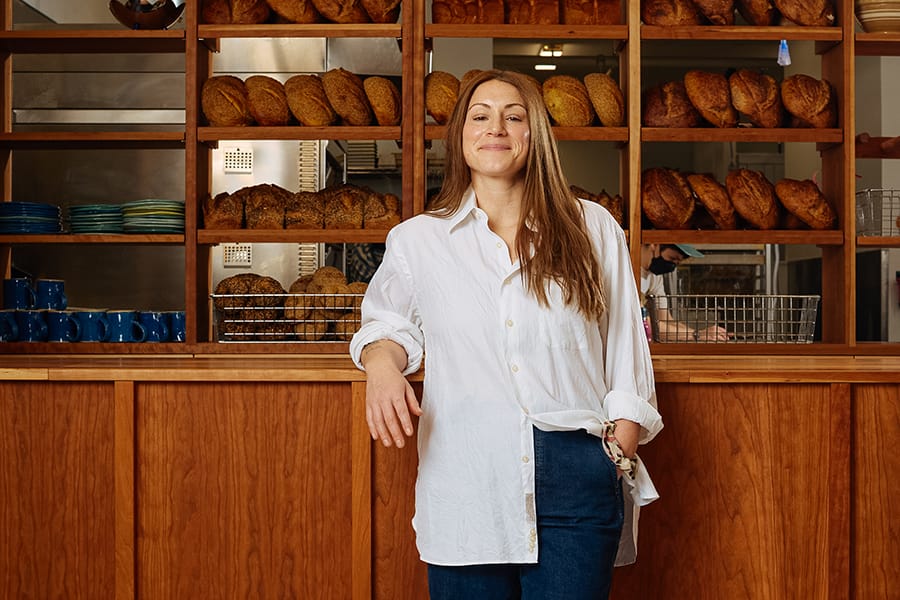
Wordloaf contributor/my pal Dayna Evans and her Downtime Bakery got a profile in Philly Magazine recently, in which I learned that she's half-English and only started baking with sourdough a mere 10 years ago?!
I started working with sourdough … Sam actually introduced me to sourdough 10 years ago. He had been baking sort of in the tech bro tradition: really specific about the details, and the starter. We’d just started dating, and he was going on a trip, and he had left some of his starter for me. And I was like, “Oh, it’d be a nice romantic gesture to make a loaf of bread for him.” Because he’s really into it, and it would show that I took care of his starter. It was a loaf of love for him, but it became my life.
And it was funny, because he had been so detail-oriented precise about his recipes and formulas. And I was like, “Oh, it’s not that complicated actually!"
In it, she discusses how important it using local flour is for the bakery, and how challenging it was to perfect:
Freshly milled local flour is so important because … we overlook flour as an ingredient. We talk about where the seafood is coming from, or, that this beautiful radicchio came from this farm. Flour is something that deserves to be highlighted, and deserves to be, like, actually good! And coming from a local place. For our bread in particular, we worked really hard on getting a formula right that highlights the flour that we’re using. And it tastes better. It just has so much more flavor and substance.
 Jason Cohen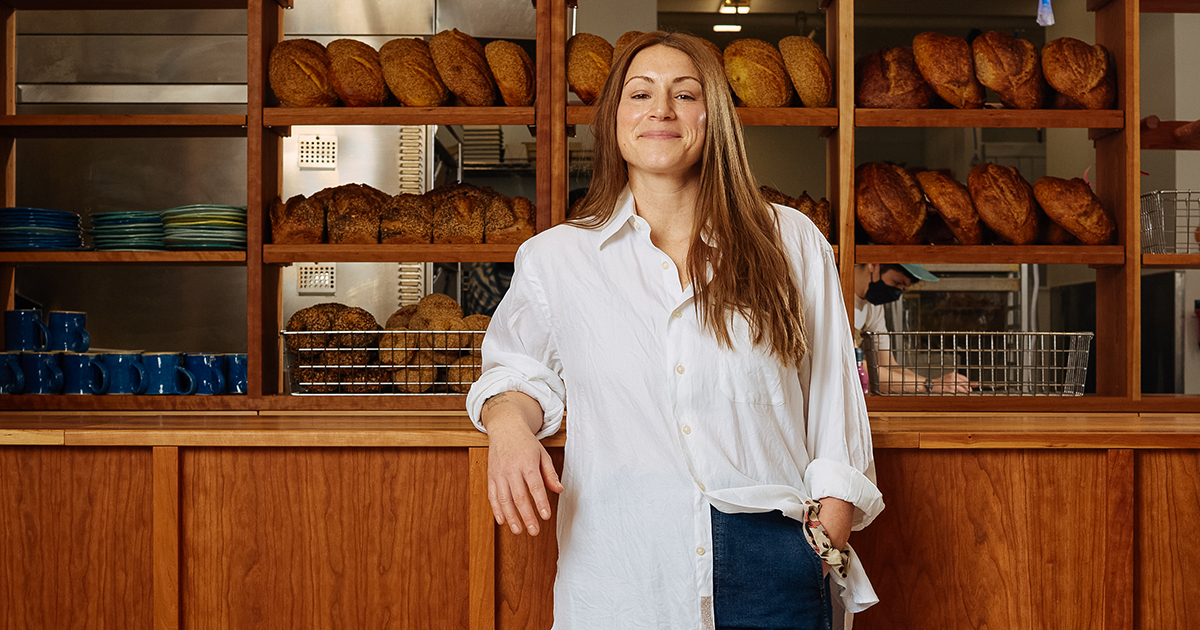
Wild harvest
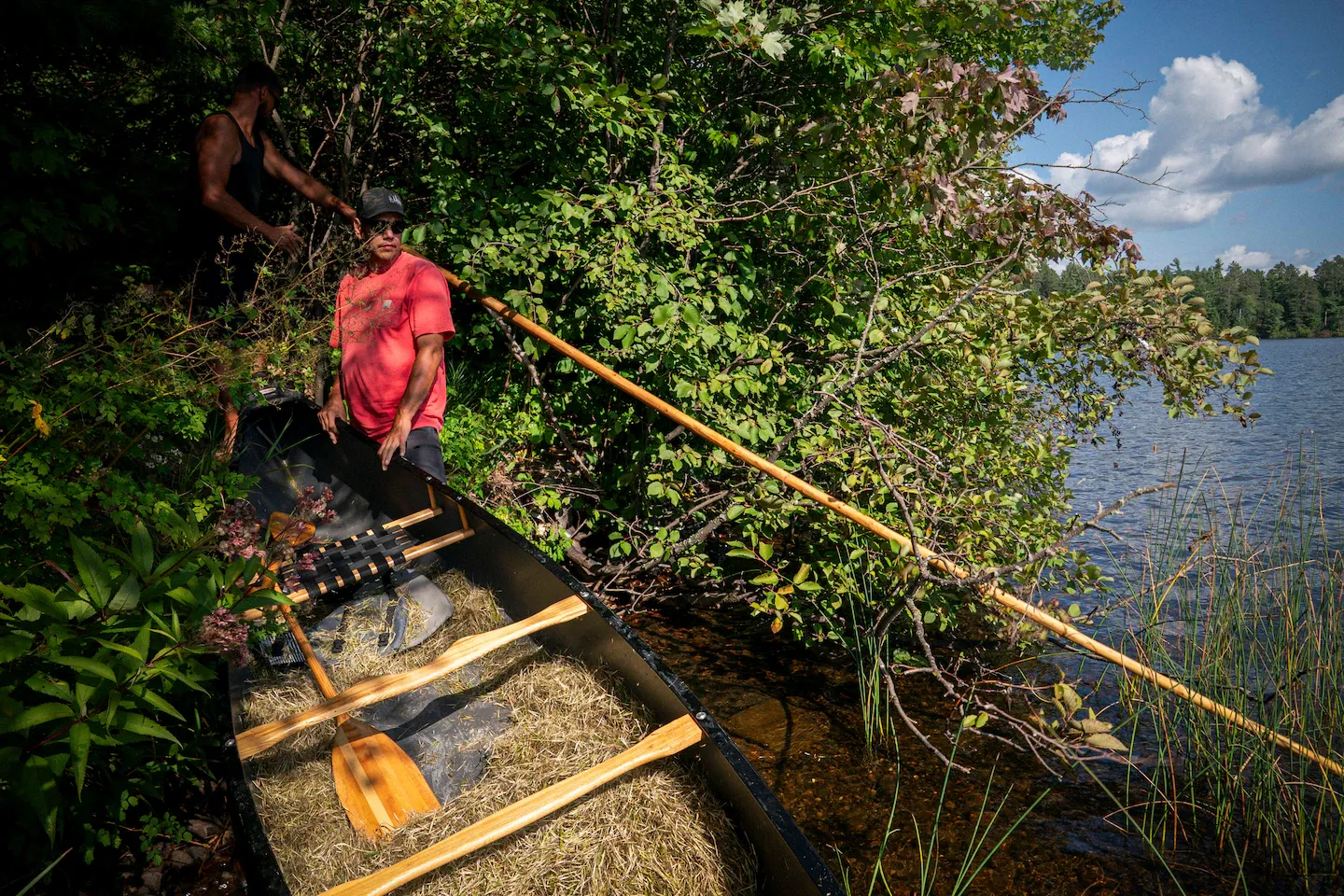
Nevin Martell recently wrote a beautiful story for The Washington Post on the harvest and processing of manoomin—true wild rice—by the Bad River Band of the Lake Superior Chippewa in Wisconsin, a centuries-old practice that is under threat from all sides:
What happens out on the water (and occasionally in it) is only a part of the process. For the rice to be edible, it must be parched, hulled and winnowed.
For hundreds of years, the tribe followed the same steps. First, the rice was left to dry in the sun for a few days. To fully parch it, the grains were placed by the fire in a hollowed-out log, on a piece of birch bark, or in a cauldron, then slowly stirred until all the moisture was released. To hull the rice — a process also known as jigging — it was spread out in a shallow pit. Small children, light enough to not break the grains and brimming with enough energy to work for long stretches, would dance on top of it. As they moved, they twisted their moccasined feet to free the grains from their husks. Next, the separated grains and husks were placed in shallow circular birch bark baskets for winnowing. By gracefully flipping the mixture into the air, the wind carried away the light husks, while the grains would fall back into the basket. Only then was the rice ready for cooking.
The Volcano Loafer
Here's a short video of a loaf of brown bread baked over the course of 24 hours using geothermal energy in Iceland:
RT if you agree that the deli should let me take a bath in the everything seasoning at the bottom of the bagel rack
— amy brown (@amybrown.xyz) 2025-10-01T15:39:10.919Z
That’s it for this week’s bread basket. Have a peaceful, restful weekend. See you next week.
—Andrew
wordloaf Newsletter
Join the newsletter to receive the latest updates in your inbox.