Bread, not as sustenance, but as leverage
On Gaza right now
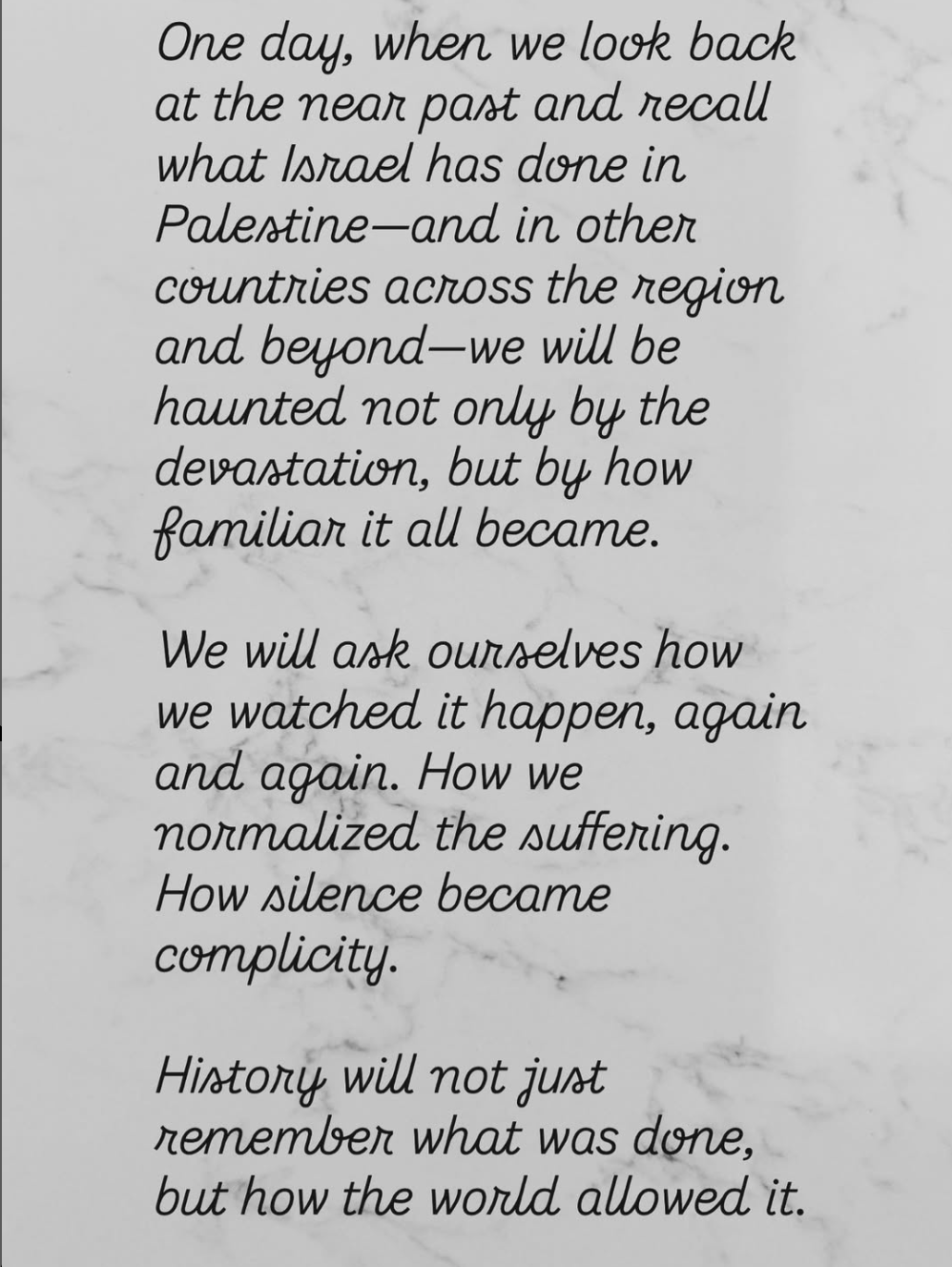
Table of Contents
Last week here in Boston I attended an event for the release of Sami Tamimi's latest book, Boustany, a "celebration of vegetables from my Palestine." The event—a chat between Tamimi and Ana Sortun, of Oleana, Sarma, and Sofra fame—was wonderful, as is the book itself. The focus of the conversation was on Tamimi's life and career and on the importance of fresh ingredients—particularly vegetables and herbs—in the cooking of his family and homeland. (Boustany means "my garden" in Arabic, and the book is 100% vegetarian.)
In the Q&A afterwards, someone asked Tamimi how he felt about promoting a cookbook about the food of Palestine while Gazans are being denied access to food and water or being shot or bombed when trying to access what little of either is getting past the blockades. His response was a sad, yet hopeful one: he saw the book as a necessary repository for the preservation of Palestinian culture—a celebration of what life is like for Palestinians during good times and what is under threat of total loss in Gaza and the West Bank right now.
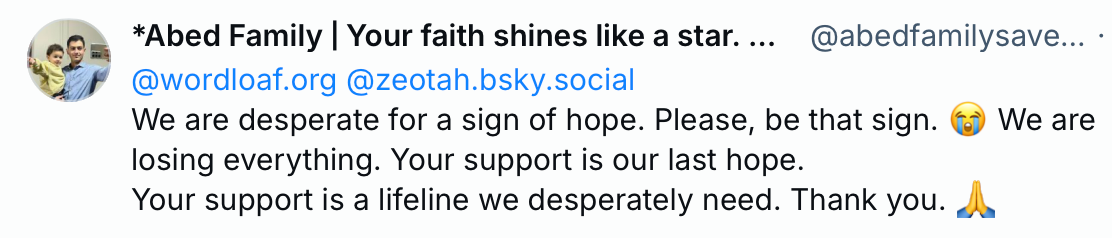
I spoke with Sami briefly after the talk and asked him if there was one bread recipe from the book—there are many in it—he thought I should share with you here on Wordloaf, and he was happy to oblige. I was going to send it out this week, but it feels wrong to do so without first acknowledging the horror of what is happening in Gaza, where a single kilogram of flour might cost $60, if one can even be located (and brought home safely). I've seen videos on social media of Gazans making bread from moldy flour or boiled-down dried pasta; every day on my Bluesky account, I receive appeals from Gazans desperate for a lifeline, like this one:
Barely a week after the talk, even Tamimi seems to have lost some of his hopefulness too:
We hear endless statements using hollow, meaningless words from people on here and around the world, talk of humanitarian corridors, temporary ceasefires, aid assessments, unfortunate situations.
From officials who insist that everything possible is being done.
From those who speak of precision, while people die of hunger and dehydration.
From press conferences where starvation is repackaged as a logistical failure, rather than an act of violence.
Meanwhile, the people of Gaza are forced to fight for crumbs under drones. They are not just being bombed, they are being starved.
This is what it means to weaponize food. To decide who eats and who doesn’t. To make hunger part of a political strategy.
To use bread, not as sustenance, but as leverage.
And in the noise of statements and briefings and vague condemnations, the truth is buried.
But the truth is simple: starving a population is not security. It is not defense. It is not collateral.
It is a crime. And the world must stop pretending otherwise.
It's easy to fall into despair, to feel helpless in the face of governments—our own and that of the Israelis, which we support with our guns, bombs, and money (for guns and bombs, but not food)—that clearly do not care about the suffering of Gazans. That pay lip service to the idea of aid, while stories and images of emaciated children and parents killed while seeking scraps of food fill our social media feeds and even (finally) the pages of our newspapers.
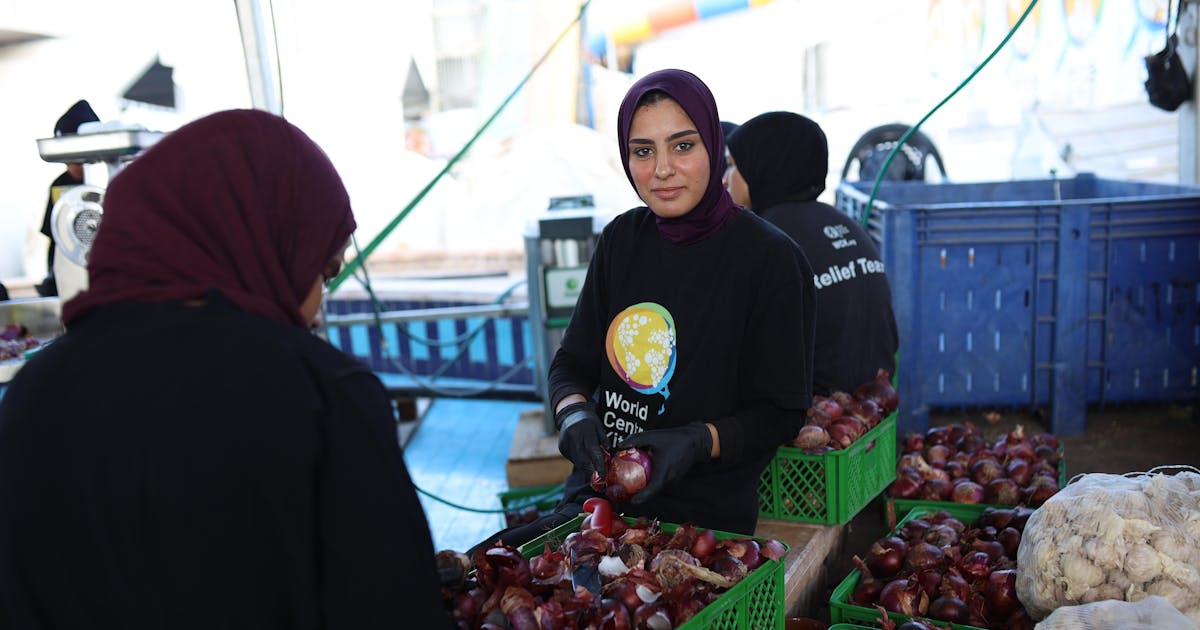
But while little aid is getting through right now—though that appears to be changing over the last few days—there are organizations doing important work on the ground in and around Gaza that you can support. Here is a list of just a few of them:





 pixelroad

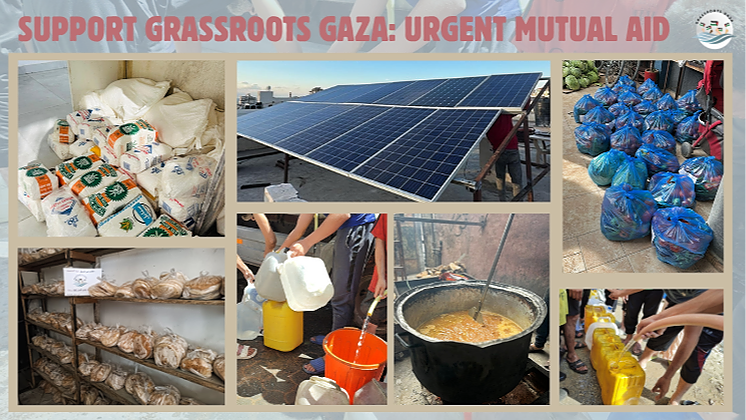

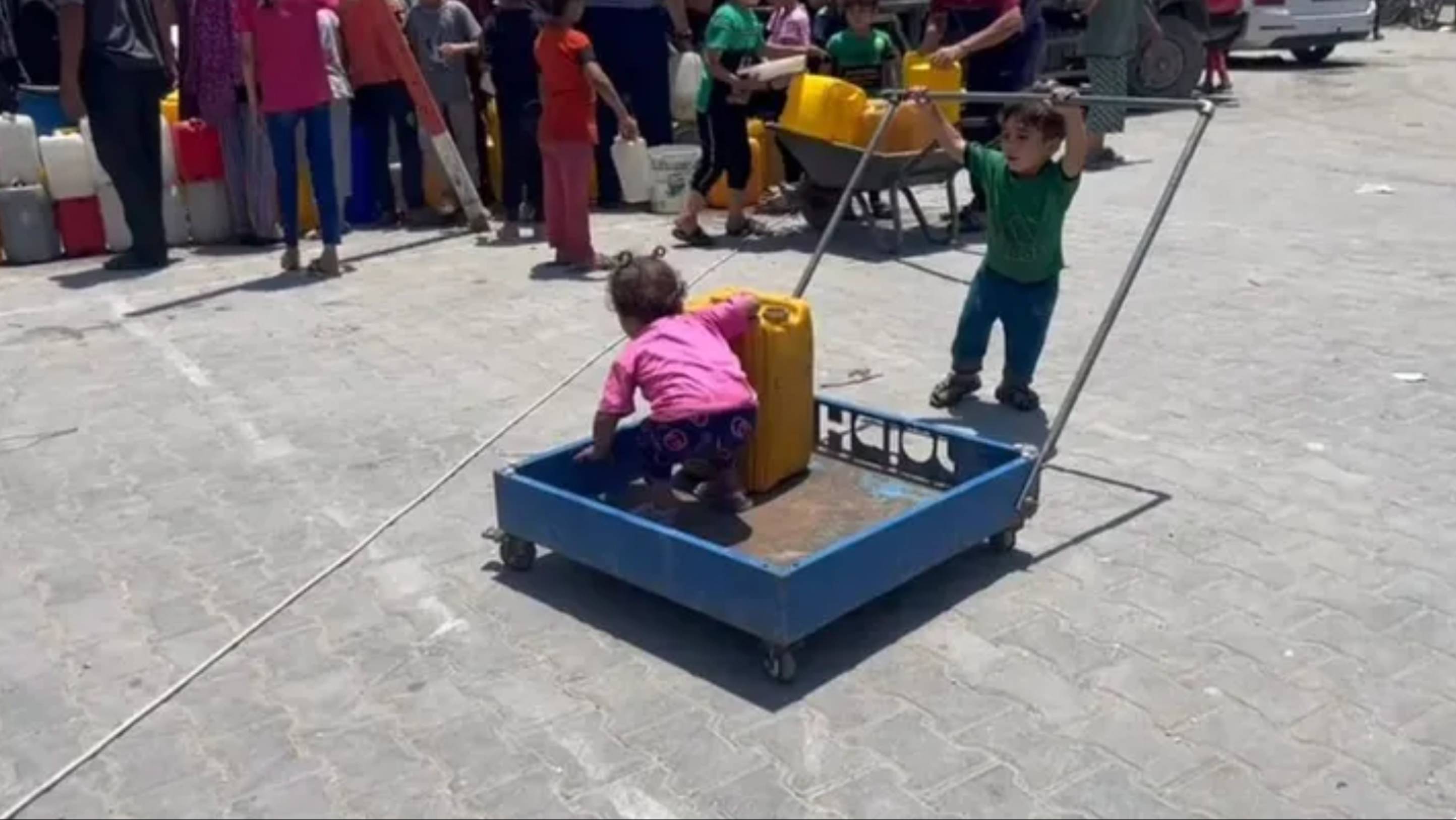

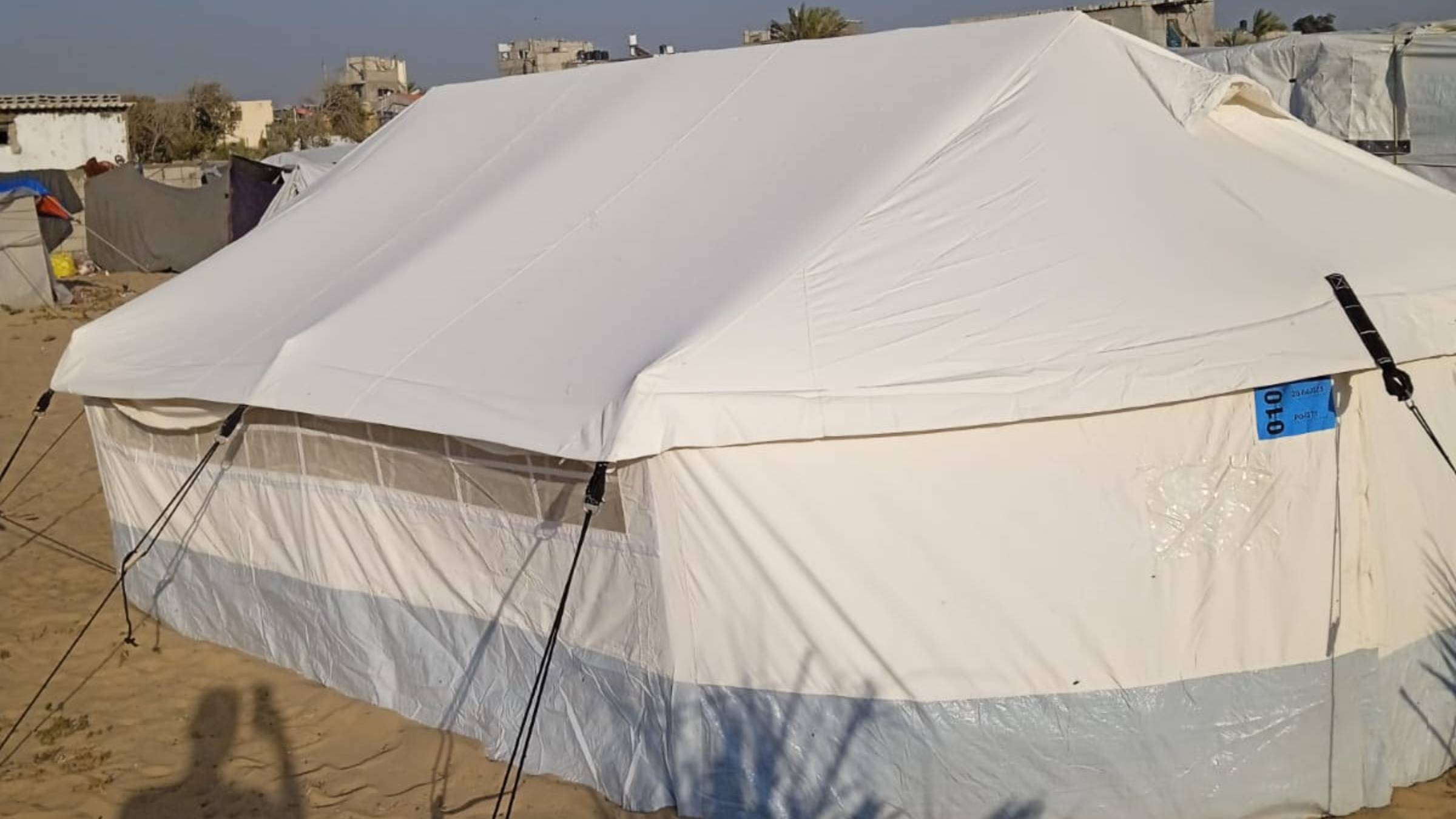
And you can also speak out—on social media, on your own newsletters, to your elected representatives, or in conversation among friends, neighbors, and family.
The other day I posted a pretty picture of a bread I had just figured out on Bluesky, and someone who doesn't follow me (and thus were unaware that I post there almost daily about Gaza) replied, "People are starving, bro." I blocked them, because they were being nothing more than a drive-by scold, but the sentiment is not wrong. People are starving, and posting pretty pictures of bread seems wrong right now.
It's my living, though, and I need to post to keep the lights on and my flour bins stocked. To assuage my conscience and have the post serve more than my own little life, I've taken to making a $10 donation after each post to the sorts of organizations I linked to above, and sharing a link to encourage others to do the same. It's not much, but at least it's not nothing.
Being a food writer when people are starving in full view of the world, when flour is impossible to come by and $60 a kilogram when it can be, is no fun. But the answer is not silence; it is doing so while remaining present to and expressing the horror of it all. Here's how food writer Ella Risbridger put it the other day:
I would want– I would not want– I will stop trying to speak for people and speak only for myself: when I read about food, when I write about food, when I cook, when I eat, when I wash up with clean drinkable potable water, when I run the tap to get it hot or run the tap to get it cold– it is impossible to be grateful enough, to be horrified enough, to be open enough to the vast suffering of the people of Gaza at this time. It is impossible to understand it. It is impossible to come to terms with the fact that it is happening and it is still happening and it is real and happening now as I am writing. It is happening now as you are reading. The food we are eating and not eating is the same food. There is a connection and there is a debt.
I'll share the recipe from Boustany next week. In the meantime, let's all be open enough to the vast suffering of the people of Gaza.
—Andrew

wordloaf Newsletter
Join the newsletter to receive the latest updates in your inbox.